With control of Congress on the ballot in November, state attorney general races can get lost in the shuffle. But just outside the election spotlight, there are partisan groups, corporate interests, and advocacy networks revving up campaigns for offices that are playing a growing role in American politics.
The group of Republican organizations dedicated to these contests reported raising a record amount of money last year, pulling in $29 million in preparation for the 2026 midterms. Democratic counterparts said they brought in $28 million, twice as much as usual at this stage of the election cycle.
Some 30 seats are on the ballot this year. Money is pouring in from technology companies, tobacco companies, and others, all of which could face scrutiny from states’ top legal officers. The influx reflects the rising stature of the job in national policy and as a springboard for higher office.
“Because we try to solve so many of our problems with lawsuits, the office of attorney general has become more important,” said James Tierney, a former Maine attorney general who teaches about the position at Harvard.
Attorneys General are Key to Political Benches
At least six current attorneys general are running for governor this year.
Ten current governors first won the position as they wrapped up their attorney general terms, including three elected in 2024.
When Kamala Harris, a former California attorney general, ran for president in 2024, three of the finalists to be her running mate — Andy Beshear of Kentucky, Roy Cooper of North Carolina, and Josh Shapiro of Pennsylvania — were each former attorney general serving as governor.
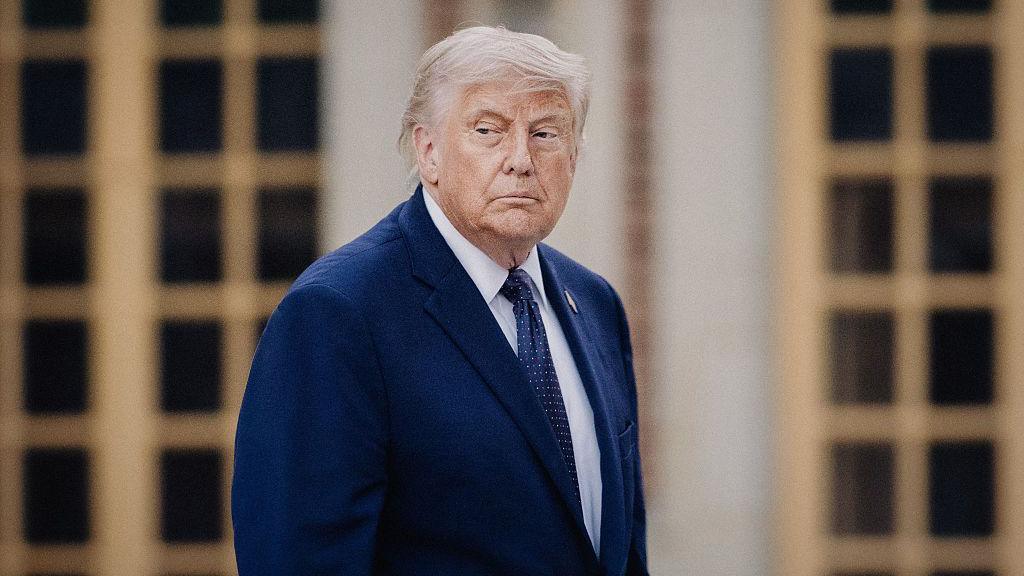
On the Republican side, President Donald Trump’s attorney general, Pam Bondi, previously held the position in Florida.
Adam Piper, executive director of the Republican Attorneys General Association, noted the political potential for those who win the office as a reason for increased donor interest.
“The AGs used to be the underdogs in the races for top-of-the-ballot offices,” he said. “Now, they’re the favorites.”
Some targeted races are in swing states where Democrats succeeded in 2022: Arizona, Michigan, Nevada, and Wisconsin, while Democrats aim to capture seats in Republican-leaning Georgia, Kansas, and Ohio. Republicans are targeting gains in Minnesota and New York.
In Texas: Flexing Legal Muscle Across State Lines
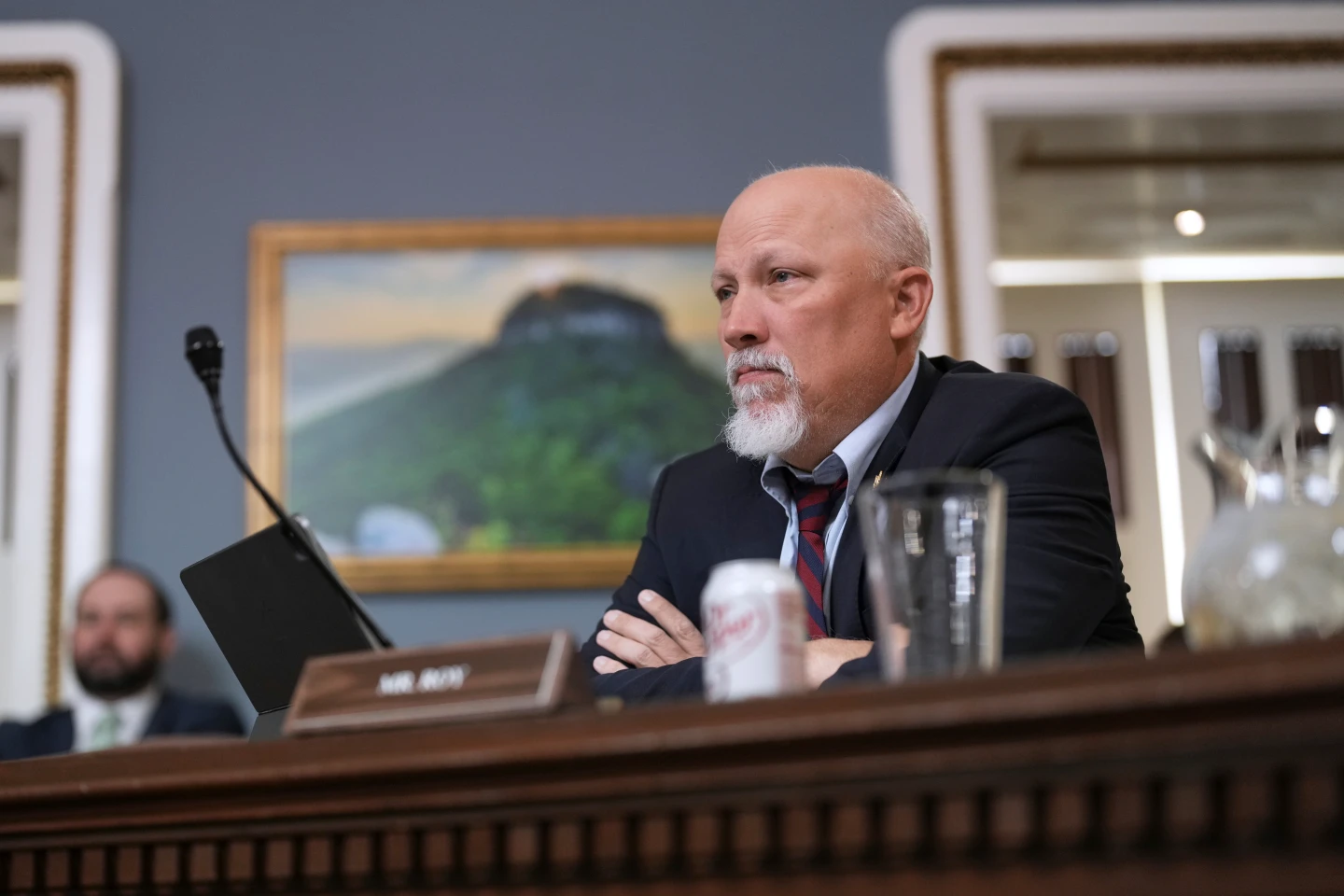
In Texas, U.S. Rep. Chip Roy faces state Sen. Mayes Middleton in a May 26 runoff for the party’s nomination for attorney general.
Ken Paxton, the current officeholder, is contending in a runoff for the GOP nomination for U.S. Senate against incumbent John Cornyn — another former attorney general. Paxton has attracted attention for his contentious legal actions, including investigating gender-affirming care and abortion cases across state lines.
Both candidates have committed to combatting what they label the “Islamification” of Texas. Middleton mentioned investigating liberal financier George Soros for alleged crimes.
Roy articulated one significant advantage of switching from Congress to state office: “I’ll be one of one instead of one of 435 fighting for you,” he stated.
The victor will compete against the Democratic runoff winner between state Sen. Nathan Johnson and former Galveston Mayor Joe Jaworski, where a Democratic victory would be seen as an upset.
Frequent Lawsuits Against Trump’s Administration
This month, 24 Democratic officials — 22 attorneys general and two governors from Republican states — sued the Trump administration over the president’s attempt to impose tariffs after an earlier version was struck down by the U.S. Supreme Court.
With over a year into Trump’s presidency, Democratic officials have engaged in considerable legal action against the administration, having filed over 80 lawsuits, often resulting in favorable rulings.
Sean Rankin, president of the Democratic Attorneys General Association, suggested his group acts as “the only lever to hold Trump accountable” amid a compliant Congress.
In Arizona: The Fate of a High-Profile Prosecution
Arizona Attorney General Kris Mayes, a Democrat who narrowly won her seat in 2022, stated that lawsuits against the administration have saved Arizona $1.5 billion by securing vital funding for programs.
She has been proactive, filing criminal charges against a company accused of running an illegal gambling business.
Republican contender Rodney Glassman has built his campaign around retracting Mayes’ challenges to federal policies, labeling the legal filings as politically motivated and “clickbait.”
Glassman, campaigning against Mayes’ criminal prosecutions related to the 2020 election, argues a Republican win could amplify Trump's false narratives regarding voter fraud in Arizona.