Minnesota public universities can continue to offer in-state tuition and scholarships to some immigrants in the country without legal status, a federal judge ruled on Friday, dismissing a lawsuit filed by the Department of Justice last summer that attempted to halt the programs.
The decision follows a series of clashes between the federal government and Minnesota officials over immigration enforcement.
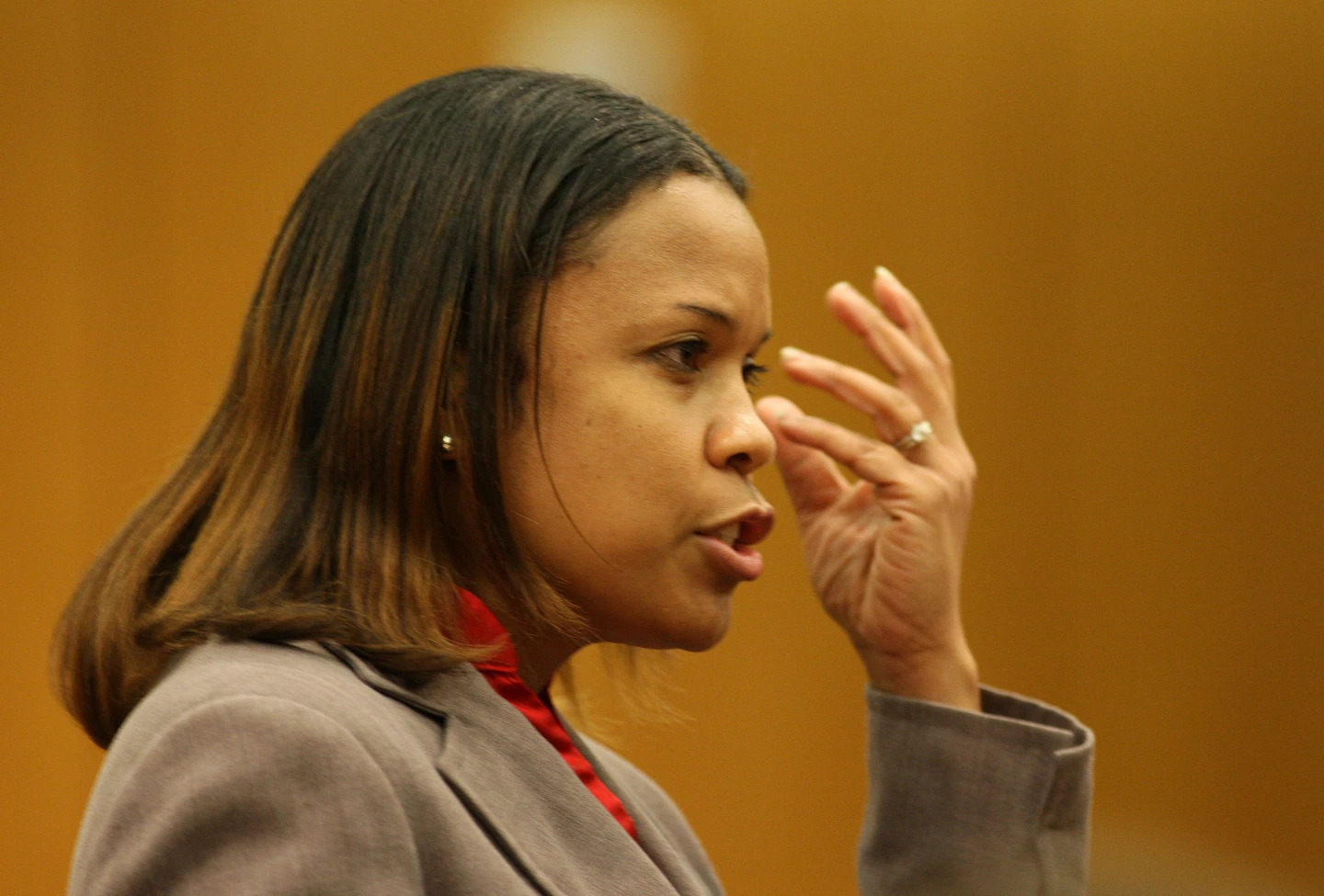
United States District Judge Katherine Menendez stated in her ruling that the federal government did not demonstrate that programs offering in-state tuition for immigrants without legal status discriminate against U.S. citizens.
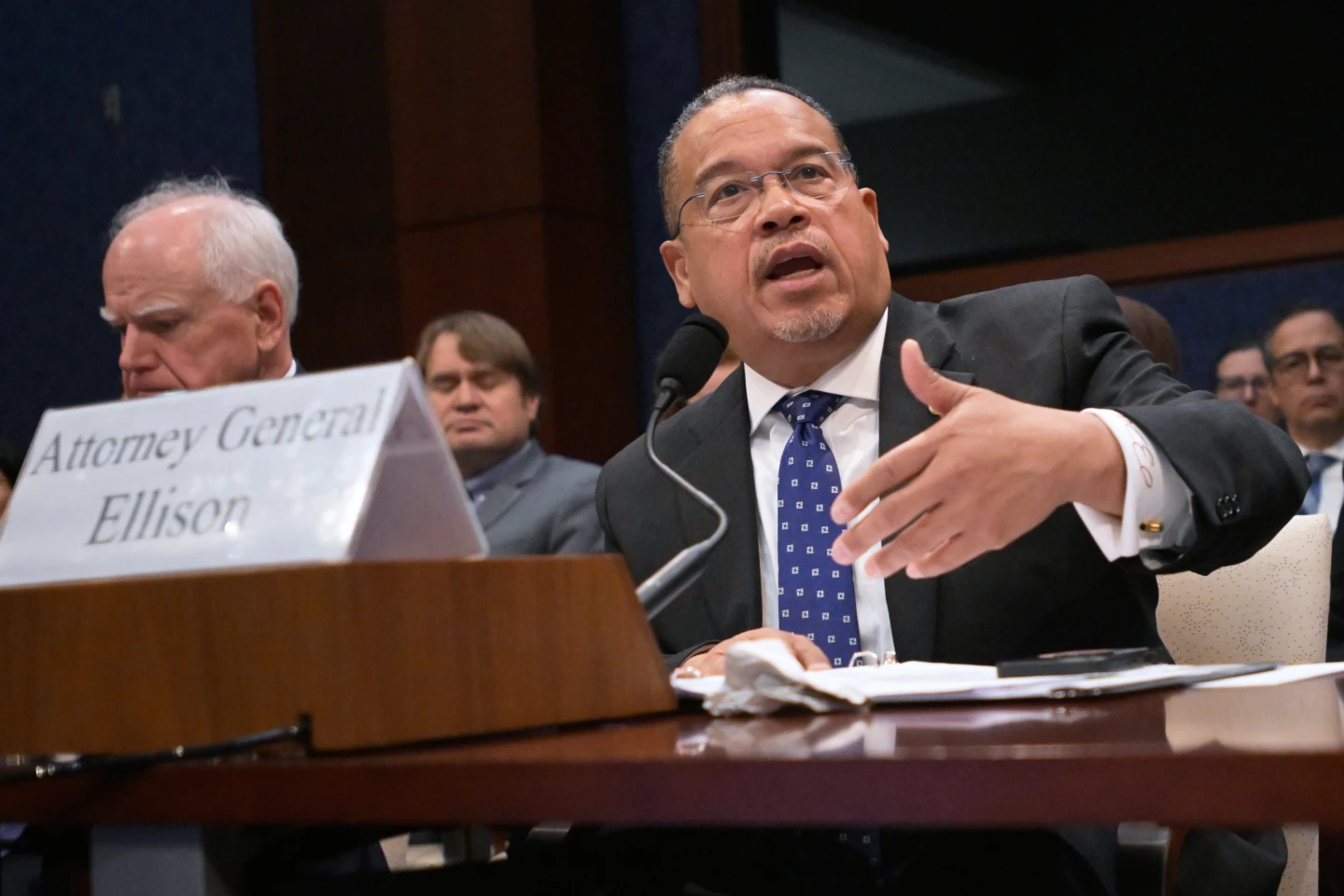
The federal lawsuit named Democratic Gov. Tim Walz and Democratic state Attorney General Keith Ellison as defendants, arguing that Minnesota's laws favor undocumented students over U.S. citizens who attended schools outside the state, which typically face higher tuition rates.
The federal government claimed that such state statutes violate a federal law barring preferential treatment towards undocumented immigrants, challenging the legality of Minnesota's approach.
“No state can be allowed to treat Americans like second-class citizens in their own country by offering financial benefits to illegal aliens,” Bondi said in response to the lawsuit.
Judge Menendez emphasized that the Justice Department misapplied federal laws, affirming that public benefits are accessible to anyone attending a Minnesota high school for at least three years, irrespective of immigration status.
The judge also noted that the Attorney General and the governor have no authority to change state laws regarding tuition eligibility, limiting the federal government's standing in the lawsuit.
Ellison lauded the ruling, asserting that it defends Minnesota's laws against misinterpretations of federal law aimed at undermining state policies.
The decision underscores an important discourse on the balance between federal immigration laws and state educational reforms, reflecting ongoing debates in various jurisdictions regarding access and financial aid for undocumented students.
As similar lawsuits emerge in other states, the Justice Department is continually challenged in its interpretations of immigration policy, marking a critical point in the struggle for rights and education equity.
}