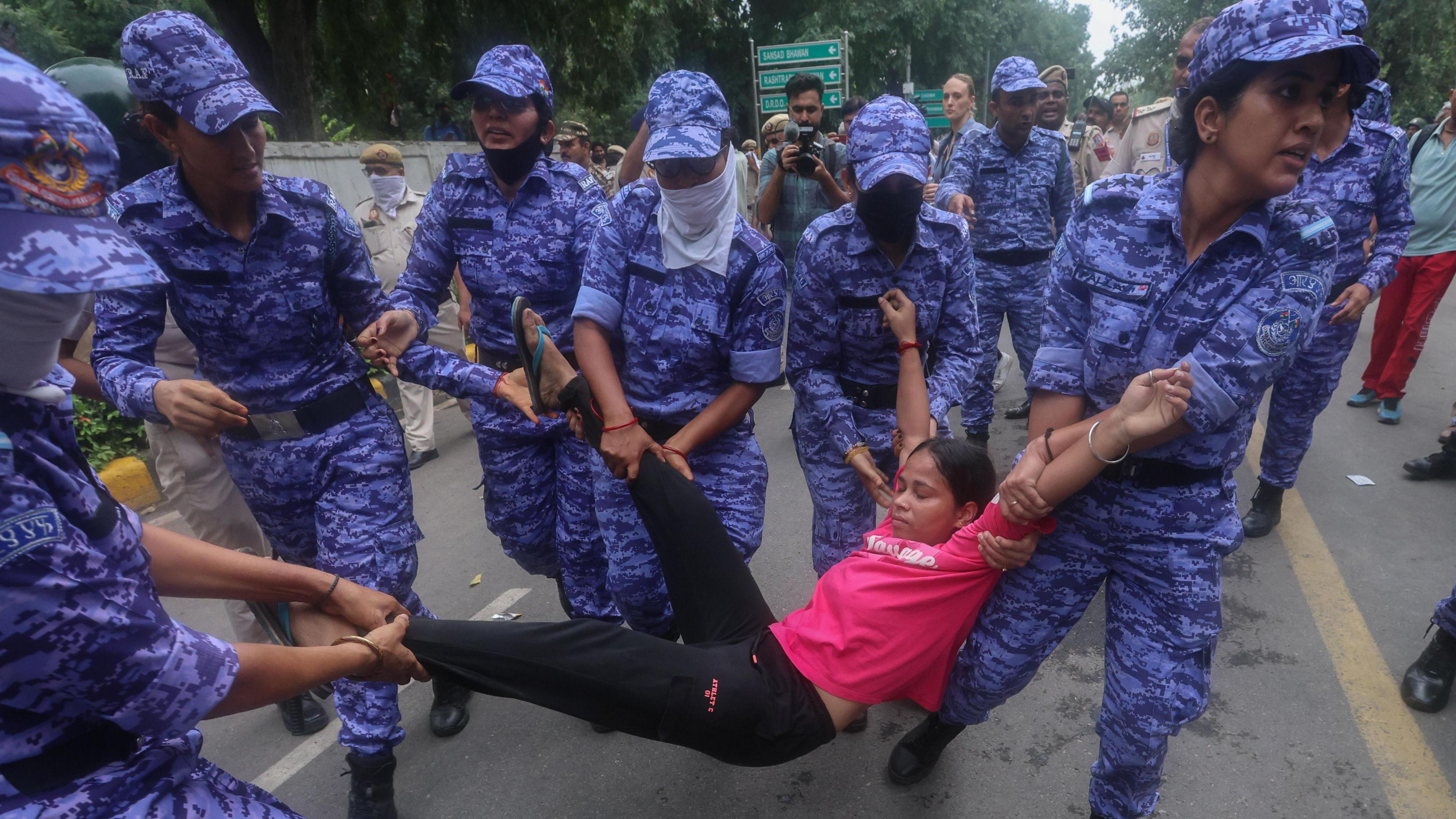
In Delhi’s historic Jantar Mantar, thousands of young activists from the Cockroach Janta Party (CJP) gathered for a second day of protests after a police crackdown the day before. The protest, aimed at demanding the resignation of Education Minister Dharmendra Pradhan and overhaul of India’s examination system, saw police deploy batons, tear gas and plain‑clothes officers to break up the crowd.
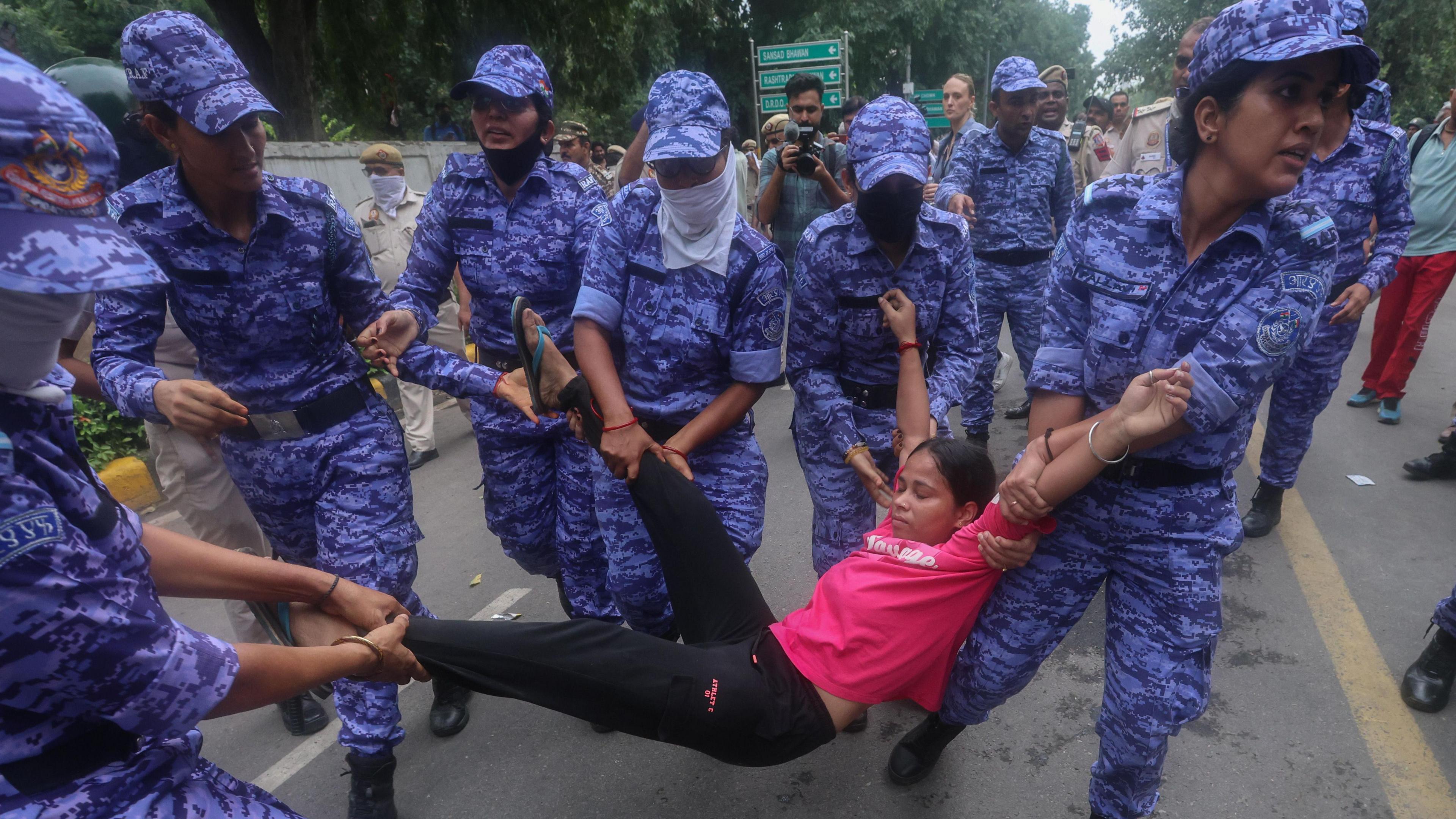
The confrontation left at least 60 supporters wounded, with police admitting that 118 officers were also injured. Seventy protesters were detained, and the police tore down the makeshift stage erected at the site. Witnesses report men and women, including students, being struck with sticks, and several injured individuals found bleeding on the ground.
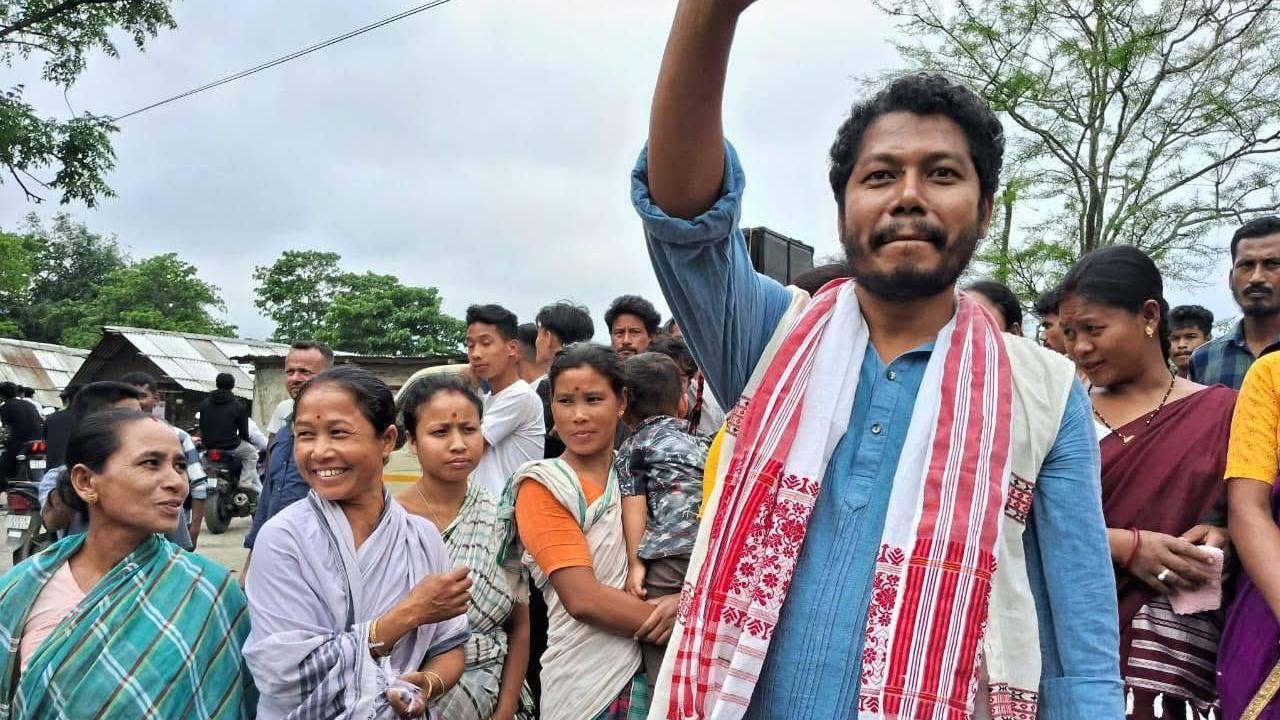
Opposition leaders slammed the force, with Rahul Gandhi calling the Prime Minister the most anti‑youth leader in India. “The government must account for the brutality,” he posted on X. Meanwhile, the CJP’s founder Abhijeet Dipke issued an apology to supporters, especially women who were “brutally beaten.”
The protest’s violence and persistence have brought the movement into the spotlight, drawing support from major opposition parties, farmer leaders, celebrities and activists such as educator Sonam Wangchuk, who joined the sit‑in with an indefinite hunger strike. The CJP’s demands centre on accountability for the alleged leak of the National Eligibility cum Entrance Test (NEET) paper that led to the cancellation of the 2026 exam and subsequent student suicides.
Police later alleged that protesters had “unruly, aggressive and violent behaviour,” but the CJP rejected the account, accusing police of being the aggressors. As the city’s internet services went down and later recovered, social media flooded with footage of police beating protesters, including women, on the ground.
The protest has not ended. The CJP reposted on social media that their peaceful demonstration was still active and urged supporters to return. Their call for Pradhan’s resignation remains unchanged, with the spokesperson Saurav Das describing it as “the most urgent demand.”
The clash highlights the intense tension between a restless youth demographic and state security forces, raising questions about the future of India's education system and democratic protest rights.