In brief
Bundelkhand’s semi‑arid plateau is a hotbed of chronic drought, with temperatures often exceeding 40 °C. Dalit families like Mamta’s are forced to make multiple trips to scarce handpumps, facing both the physical strain of heat and the social threat of caste‑based discrimination. While government projects promise better water access, the reality on the ground reveals that inequality and climate change amplify existing tensions. Community groups and researchers warn that just adding infrastructure is not enough without addressing the underlying caste dynamics. The story underscores how climate shocks can magnify long‑standing social injustices.
Bundelkhand’s Dry Heart
In the heart of northern India’s Bundelkhand plateau, the summer sun scorches the land to blistering heights. Temperatures have been recorded near 48 °C in recent years, driving the region into a constant state of water emergency. The area’s rocky terrain fails to hold groundwater, and the already erratic rains have become even more unreliable, leaving villages to strive for each litre of water.
Caste Divides Behind the Tap
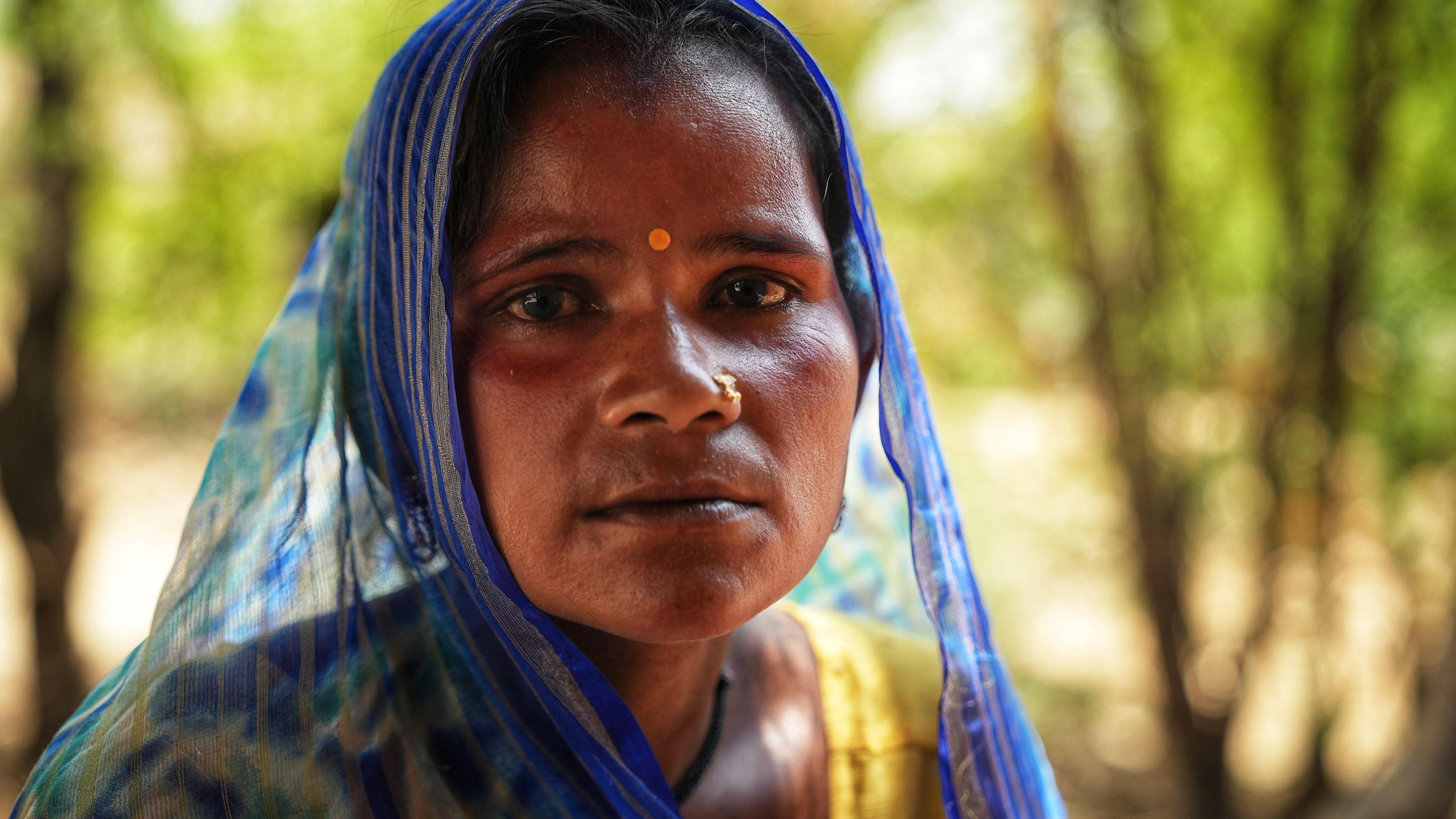
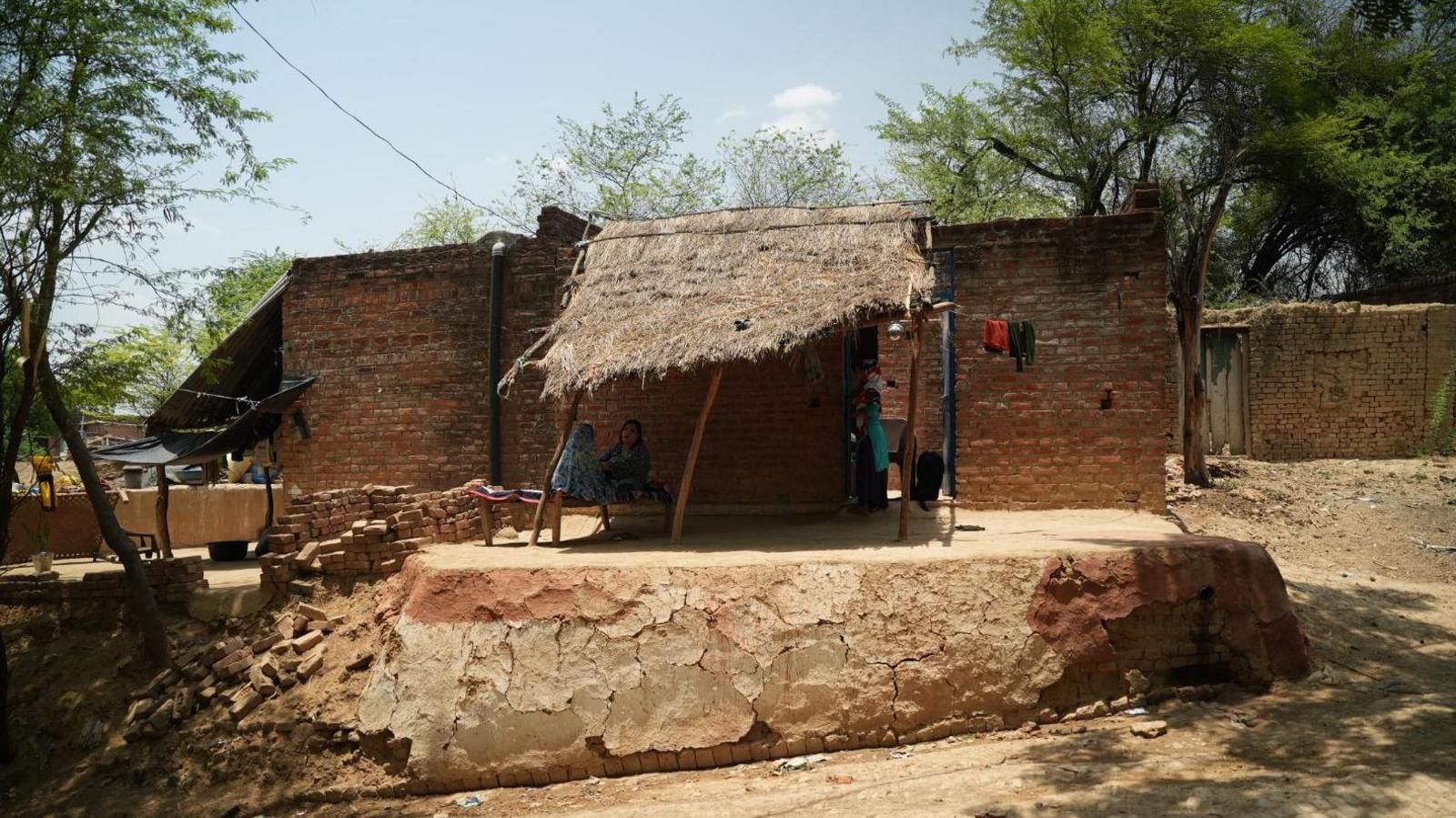
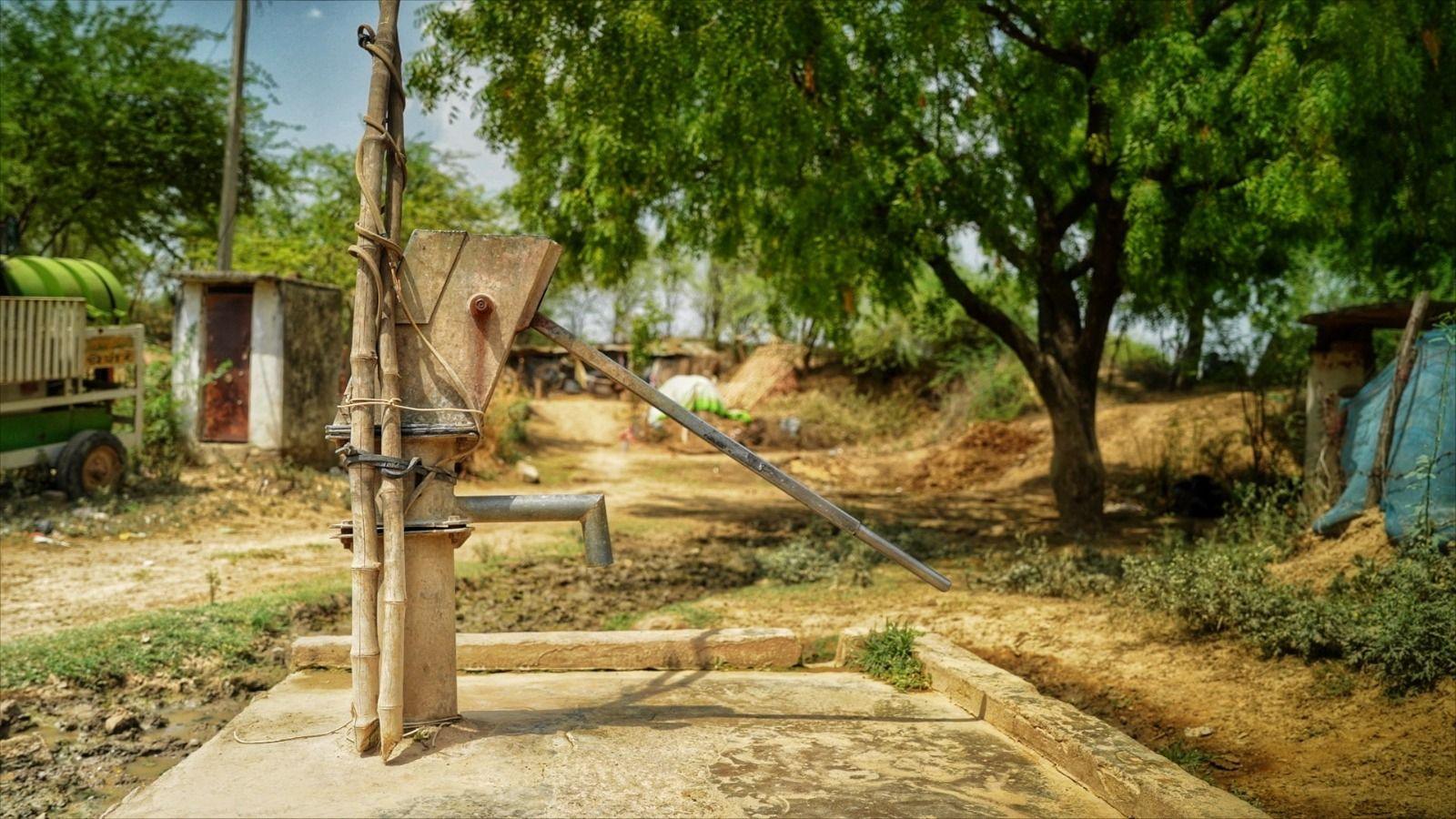
While the government’s Jal Jeevan Mission promises piped water to every rural home, in practice only a handful of functioning handpumps remain in Mamta’s village of Jalaun. The remaining taps lie dry, forcing the community of about 1,000 residents to clash for a few emptier buckets each day. Yet the friction is not simply about water; the handpump itself becomes a site of caste tension. Mamta, a member of the Valmiki Dalit community, says she must wait for the dominant castes to finish before she can fill her buckets. She recounts the ritual of upper caste families pouring water over the pump as a “cleanse” ritual, an act she says has persisted for decades.
Heat Amplifies Conflict
As the heat intensifies, the demand for water grows and time slots at the pumps become a brutal schedule. Some families, like that of Shiv, must skip their turn to avoid confrontation, leaving their families with thirst even when the sun is sulking behind distant hills. “I had to walk for hours for a single bucket, even though my family had to drink, it was an exhausting ordeal,” Shiv recounts.
Calls for Justice and Practical Solutions
Police complaints and reports from the Dalit Dignity and Justice Centre highlight 113 caste‑based offences recorded in 2025, with many involving disputes over water. The District Magistrate’s office denies these claims, pointing to government projects like the restoration of ponds and the creation of check dams. Women-led groups called Jal Sahelis monitor water usage and lead conservation efforts in the village, showing that community action can partially uplift conditions.
A Road Ahead
Climate change, Dr. Mukul Sharma notes, is not the root cause of injustice but a “threat multiplier” that magnifies existing inequalities. Without addressing caste dynamics, additional water infrastructure will fail to equitably serve the Dalit community. The story of Mamta and Shiv is a stark reminder that environmental scarcity couples most closely with social hierarchies when solutions are delivered without an awareness of entrenched biases.