MADISON, Wis. — As the 2026 elections approach, Wisconsin Democrats are energizing their base around the idea of achieving a 'trifecta'—a scenario where they would regain control over the governorship, Senate, and Assembly for the first time in 16 years.
Recent rulings by the liberal-controlled state Supreme Court have ordered new district boundaries, potentially favoring Democrat candidates. Additionally, the upcoming elections coincide with an open gubernatorial race, following current Governor Tony Evers' decision not to seek a third term.
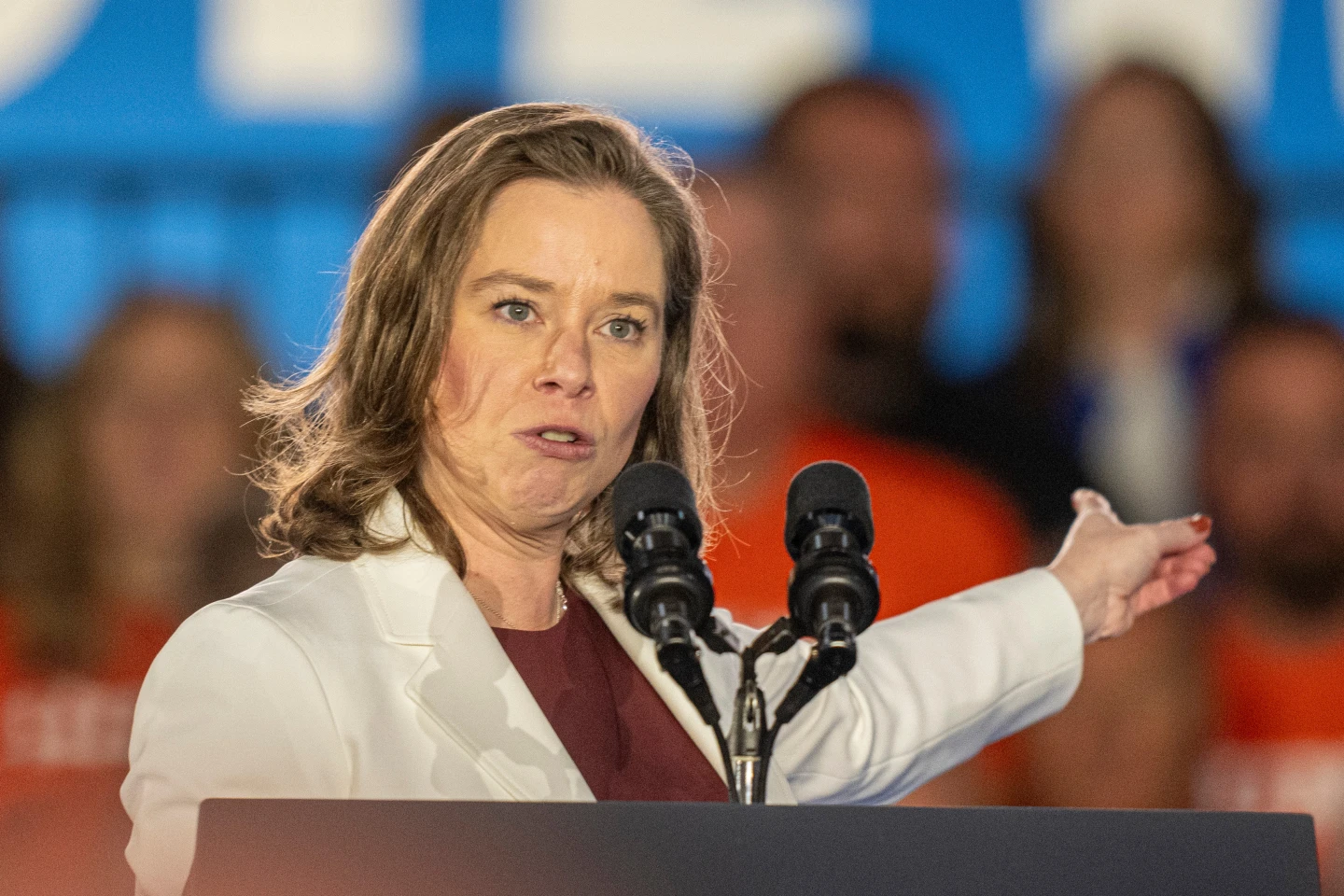
'It’s a difficult time in national politics,' Assembly Minority Leader Greta Neubauer remarked, emphasizing, 'but we’re hopeful about the future.'
Should Democrats succeed, they aim to expand Medicaid, enhance public education funding, and restore collective bargaining rights for public workers. However, achieving this 'trifecta' is not a foregone conclusion, as Republican leaders acknowledge the situation.
Since Republicans gained control in 2010, the political landscape in Wisconsin has favored conservative policies. The shift began under former Governor Scott Walker, who paved the way for significant Republican dominance.
Brian Reisinger, a former campaign aide for Walker, warned that a Democratic trifecta could dismantle years of Republican policy initiatives. Candidates for the Democrats are keenly aware of the stakes, with Mandela Barnes and Sara Rodriguez expressing strong ambitions to flip key legislative seats.
While fundraising efforts are promising, with Barnes and Rodriguez raising significant contributions, experts advise caution. 'The nature of things lining up for this to be a good year for Democrats doesn’t guarantee success,' noted strategist Melissa Baldauff.
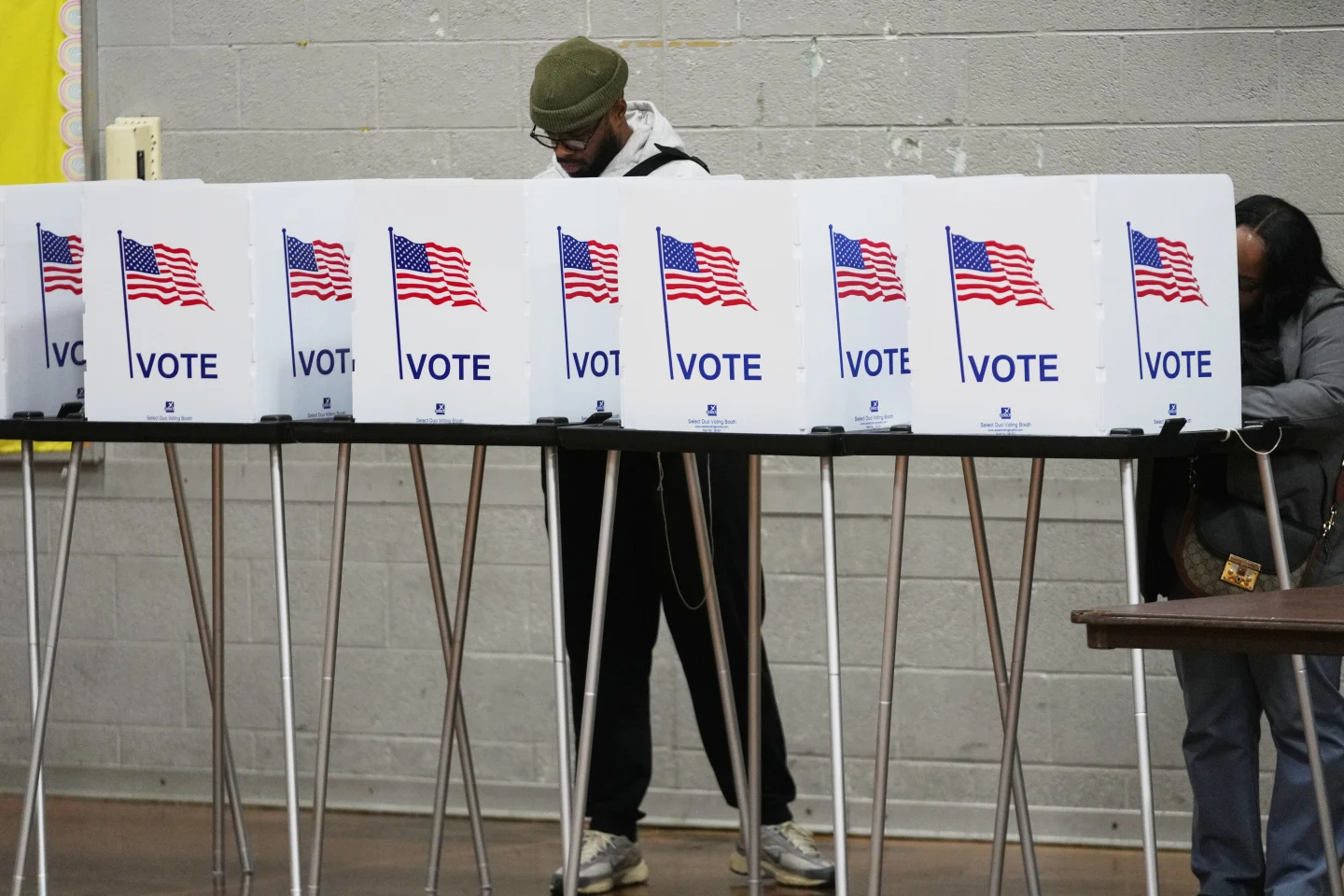
The upcoming elections will also mark the first time candidates will campaign under newly drawn district lines, requiring Democrats to flip two Senate and five Assembly seats to take the majority. Republican Assembly Speaker Robin Vos remains confident but recognizes the challenges ahead, citing the need for Democrats to articulate a clear vision beyond resisting Trump.
Democrats maintain that enthusiasm for a 'trifecta' alone won't suffice; a robust platform focusing on substantial change will be essential to resonate with voters. Activist Scot Ross urged clarity in messaging, stating, 'Trifecta isn’t a strategy and it’s not a message.'