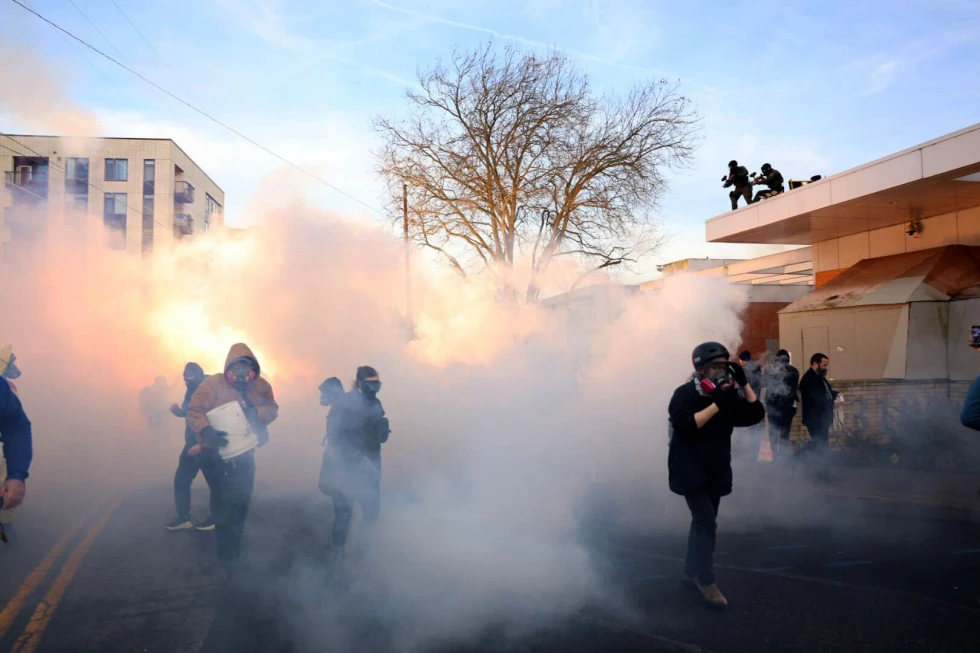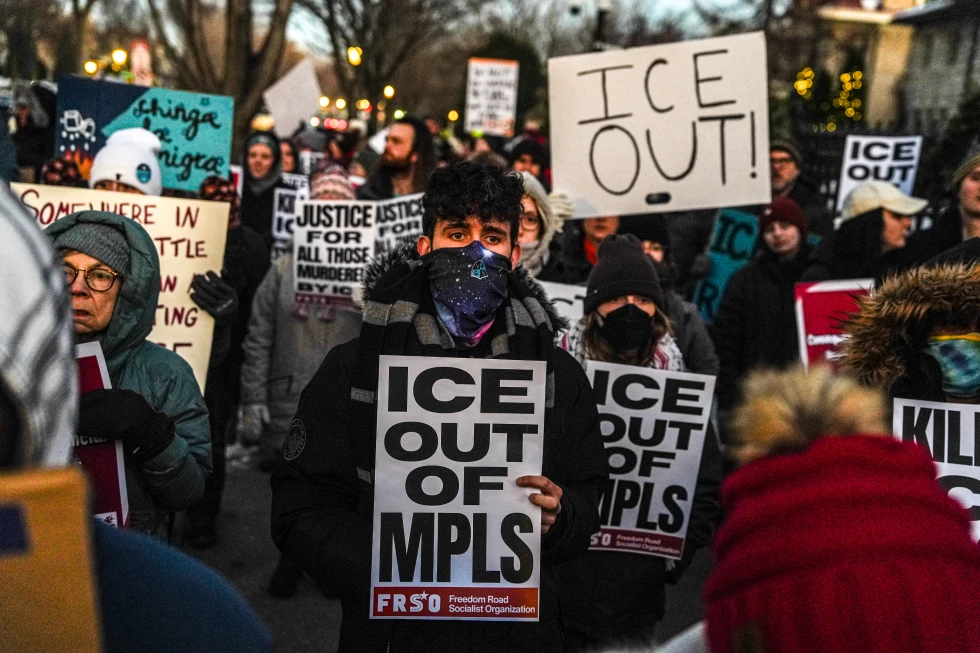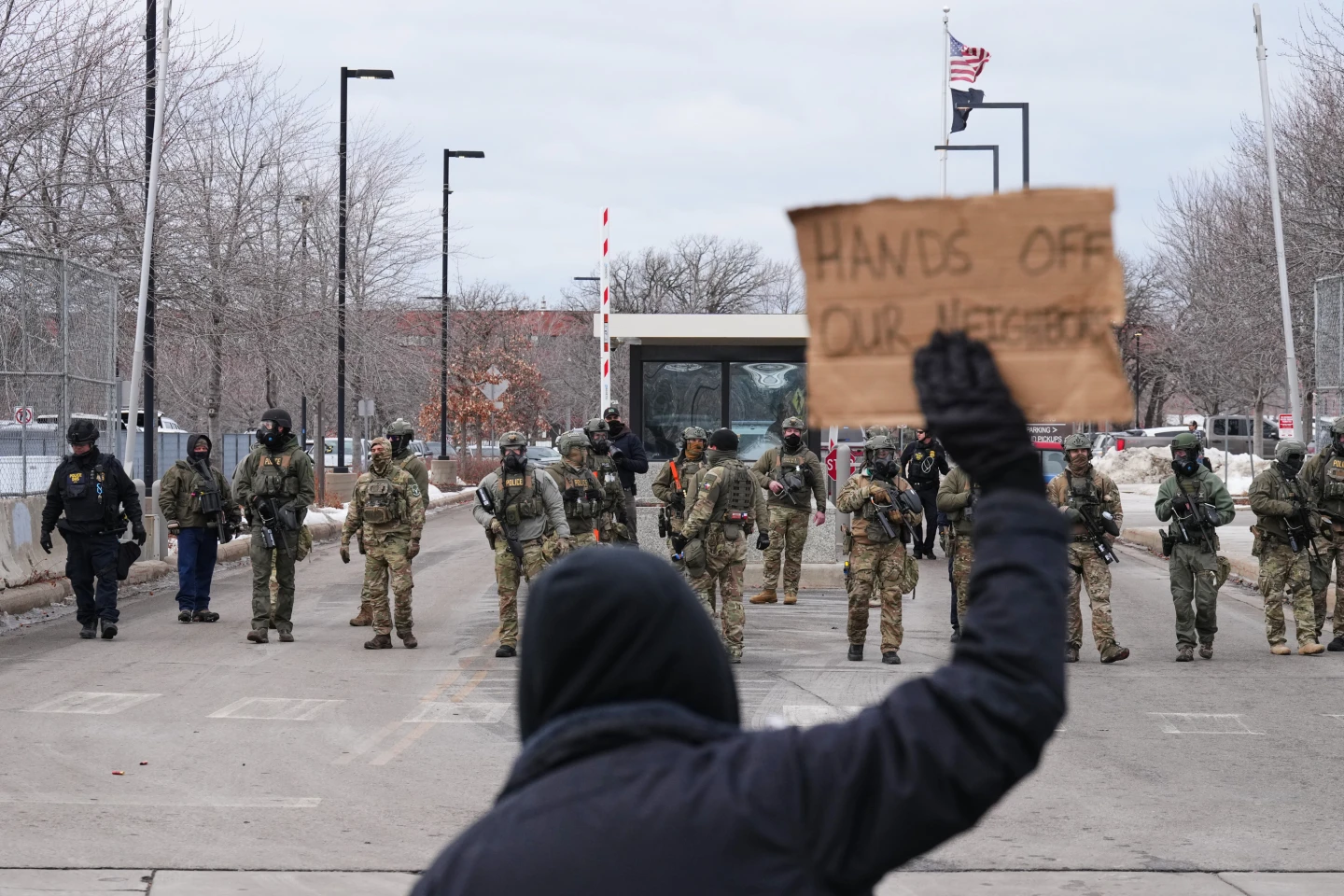
MADISON, Wis. — Across the United States, Democratic lawmakers are advocating for significant changes to state laws aimed at reining in federal immigration officers and protecting communities. This momentum is partly in response to the recent shooting death of a protester in Minneapolis and the injury of two individuals in Portland, Oregon, which have intensified public discourse surrounding immigration enforcement practices.
The proposed reforms, which include allowing legal action against federal officers and preventing immigration agents from conducting arrests in sensitive locations such as schools and hospitals, signal a growing rift between state and federal approaches to immigration enforcement.
California is among the states leading this charge, with legislation that would make it unlawful for local or state law enforcement to accept additional employment with the Department of Homeland Security. Other measures are also being discussed to hold ICE accountable for questionable arrests that create fear within communities.
In New York, Governor Kathy Hochul has introduced initiatives to strengthen citizens' rights by enabling them to sue federal agents accused of constitutional violations. Meanwhile, Oregon Democrats are pushing legislation that would allow residents to take action against unlawful searches perpetrated by federal officials.
In New Jersey, the Democratic-led legislature has passed a package of immigrant rights bills aimed at limiting cooperation between state law enforcement and ICE. These changes are part of a broader national trend, as states traditionally seen as Democratic strongholds reinforce their commitments to immigrant inclusion and community safety.
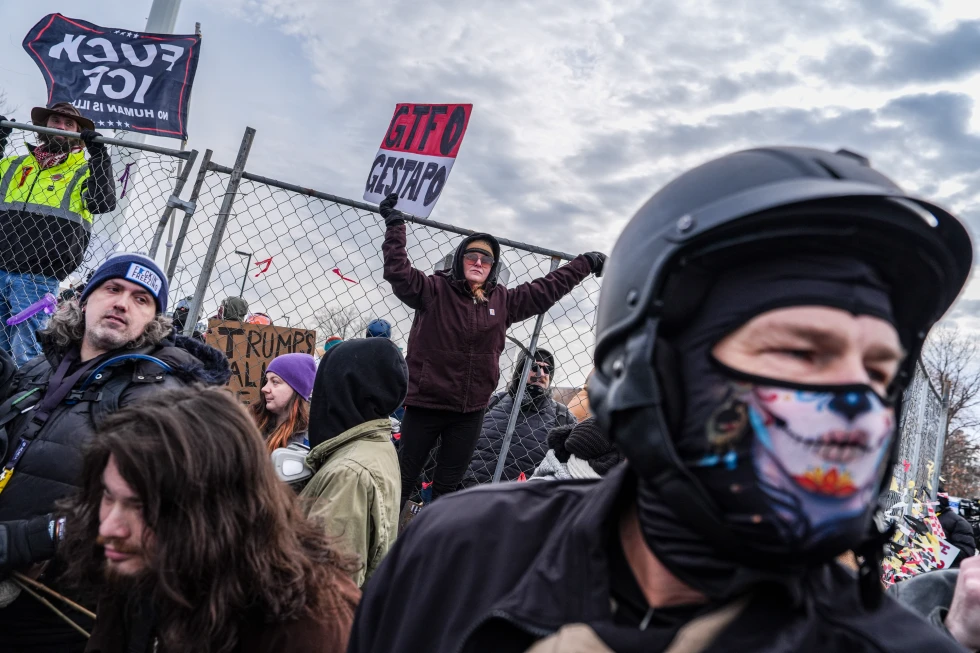
However, Republican leaders are countering these measures by placing blame on protests and citing those as a direct cause of increased violence against federal officers. The Trump administration has also threatened legal action against states implementing such policies, arguing that these laws jeopardize the safety and efficacy of immigration enforcement.
As tensions rise, states like Minnesota and Illinois have launched their own legal battles to protect their policies and assert their rights amid federal challenges. With extensive federal litigation already anticipated, the outcome of these legislative efforts will likely draw significant attention and further shape the national conversation around immigration reform.