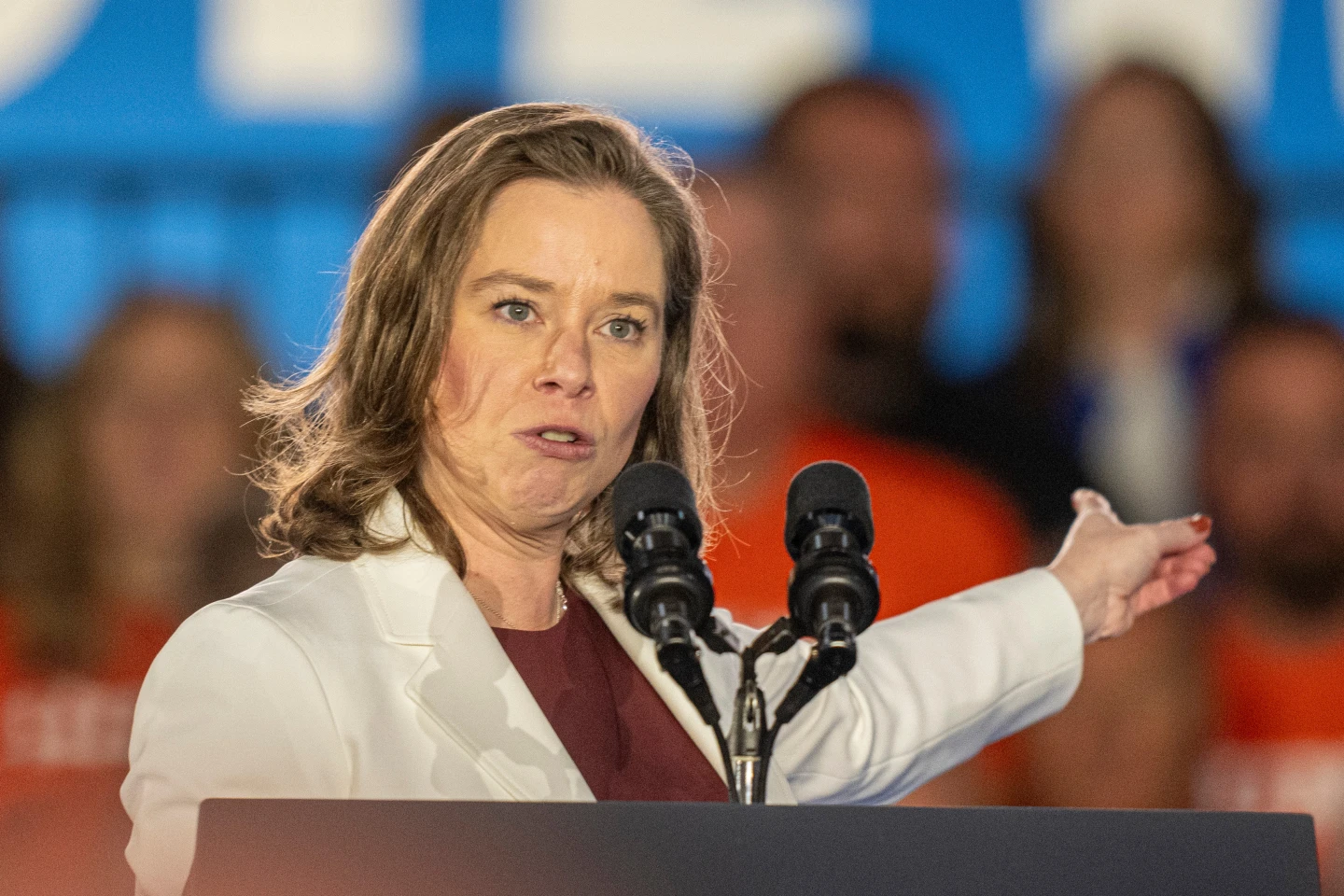
MADISON, Wis. (AP) — Wisconsin Democratic Governor Tony Evers has raised doubts regarding a proposal from his own lieutenant governor aimed at banning federal immigration enforcement around sensitive locations like courthouses, schools, and healthcare facilities. Lt. Gov. Sara Rodriguez, who is a candidate for governor this year after Evers decided against seeking a third term, outlined the proposal on Monday, which seeks to protect vulnerable community members from immigration actions in designated areas.
Rodriguez's proposal entails prohibiting civil immigration enforcement actions near courthouses, hospitals, licensed child care centers, schools, and places of worship, while allowing exceptions for cases involving judicial warrants or imminent threats to public safety. Evers responded cautiously to the proposal during a press briefing, expressing uncertainty about its viability and the potential consequences of such bans regarding federal enforcement actions.
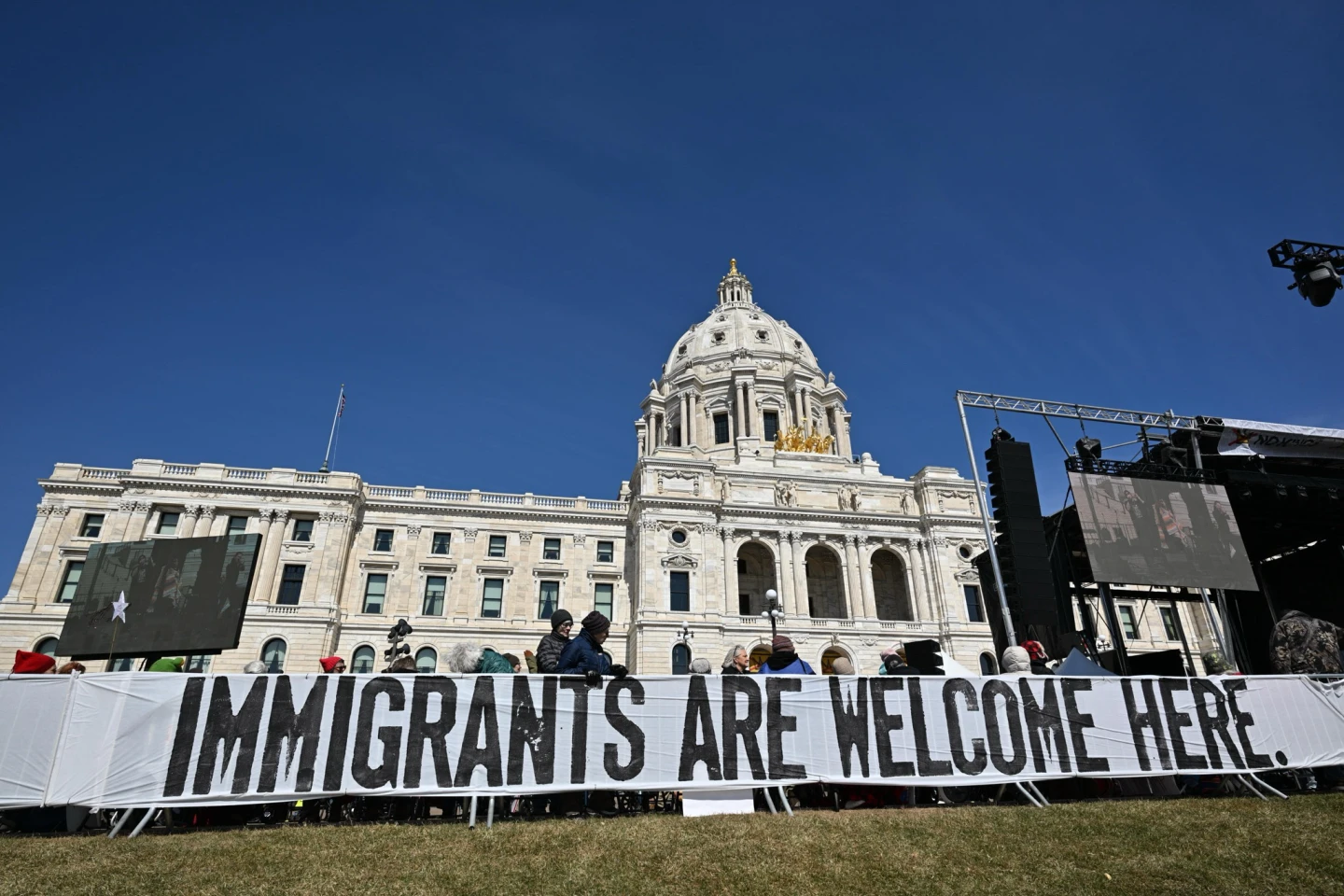
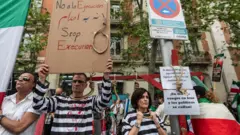
Rodriguez's plan stems in part from recent tragic events, including the fatal shooting of Renee Good by an ICE officer in neighboring Minnesota. This incident has propelled protests across various states, including Wisconsin, against aggressive deportation policies authorized by the Trump administration.
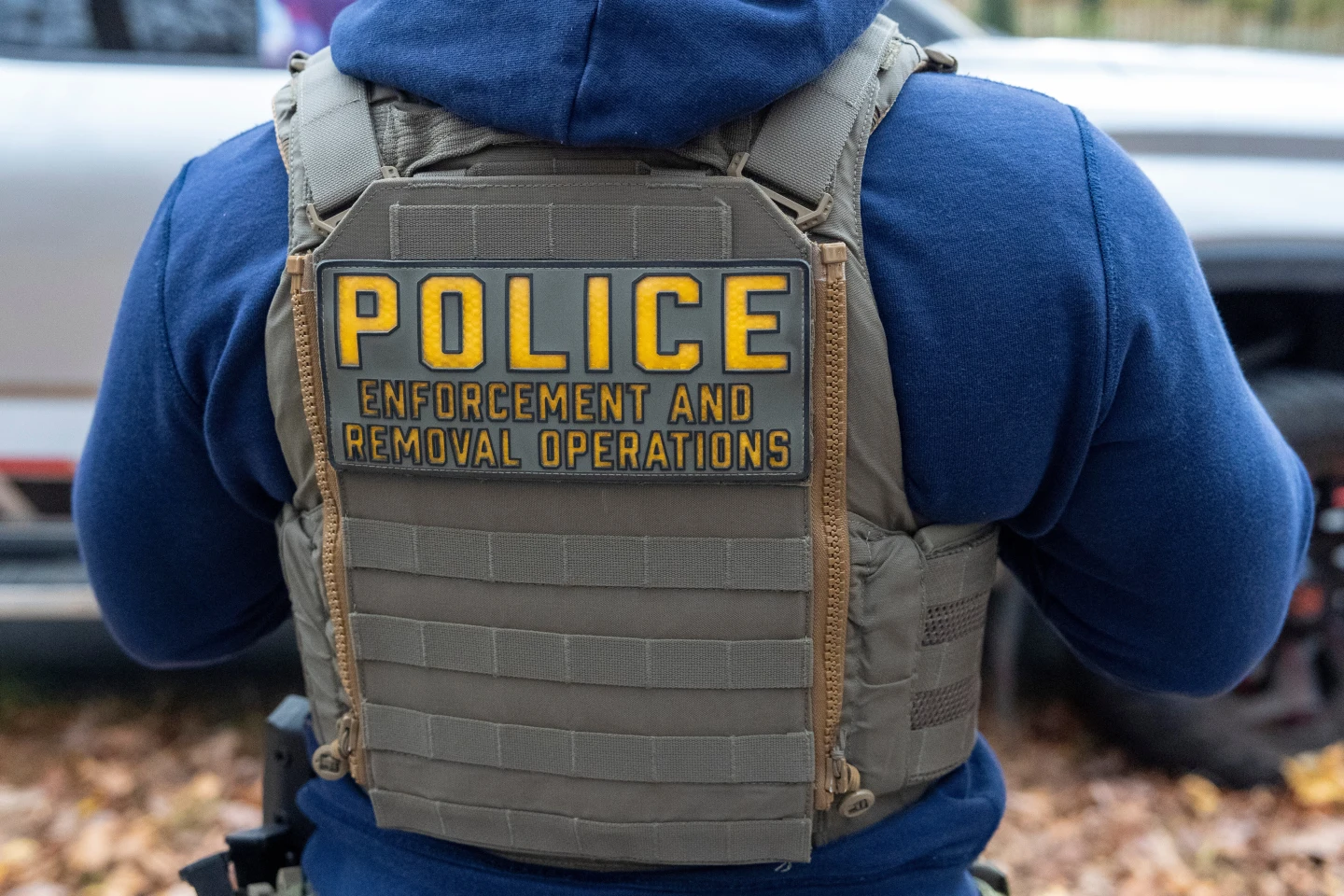
In response to backlash and increasing calls for accountability, Rodriguez is advocating for transparency from ICE officials, proposing that agents must identify themselves clearly and wear body cameras during enforcement actions. Rodriguez stated, No one should feel afraid to drop their children off at school, seek medical care, or attend court because enforcement actions are occurring without clear protocols.
Governor Evers, faced with the potential implications of Rodriguez's proposal, acknowledged that while he is open to addressing community safety concerns, he is worried about the repercussions that could arise, particularly from Washington. He stated, We can take a look at that, but I think banning things absolutely will ramp up the actions of our folks in Washington, D.C.
As the political landscape unfolds, the discourse around immigration enforcement policies continues to play a significant role in shaping community relationships in Wisconsin.