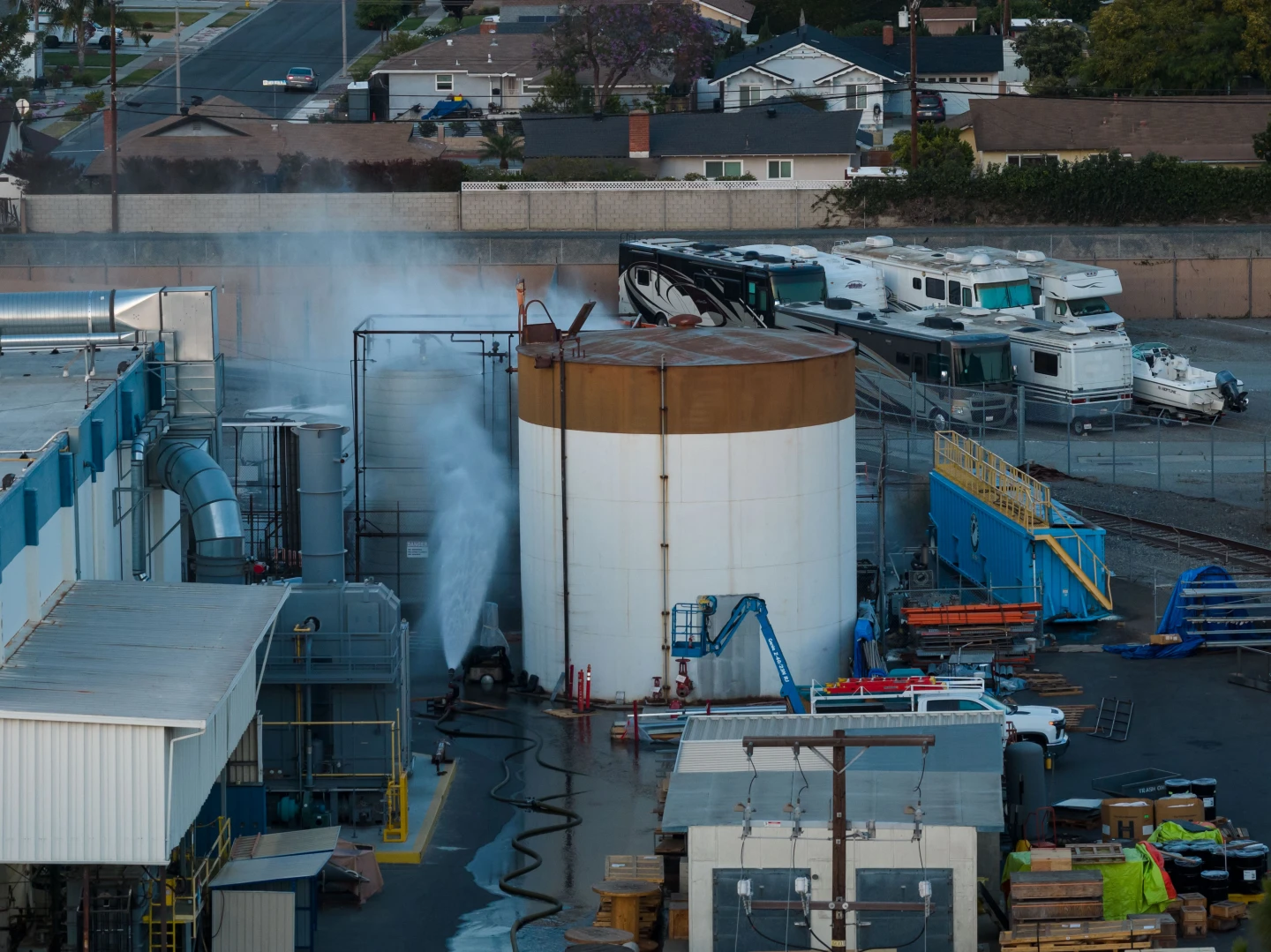
WASHINGTON (AP) — Nearly 100 of the country’s most contaminated toxic waste sites are located in areas susceptible to flooding and wildfires, presenting potential public health risks to millions of Americans, a report by the U.S. Environmental Protection Agency's Office of Inspector General has disclosed.
The inspector general's report is part of a broader examination of the vulnerabilities posed by climate change at these Superfund sites, which have been identified as needing urgent remediation due to their hazardous nature. Approximately 3 million individuals reside within a mile of these toxic sites, while over 13 million individuals live within three miles.
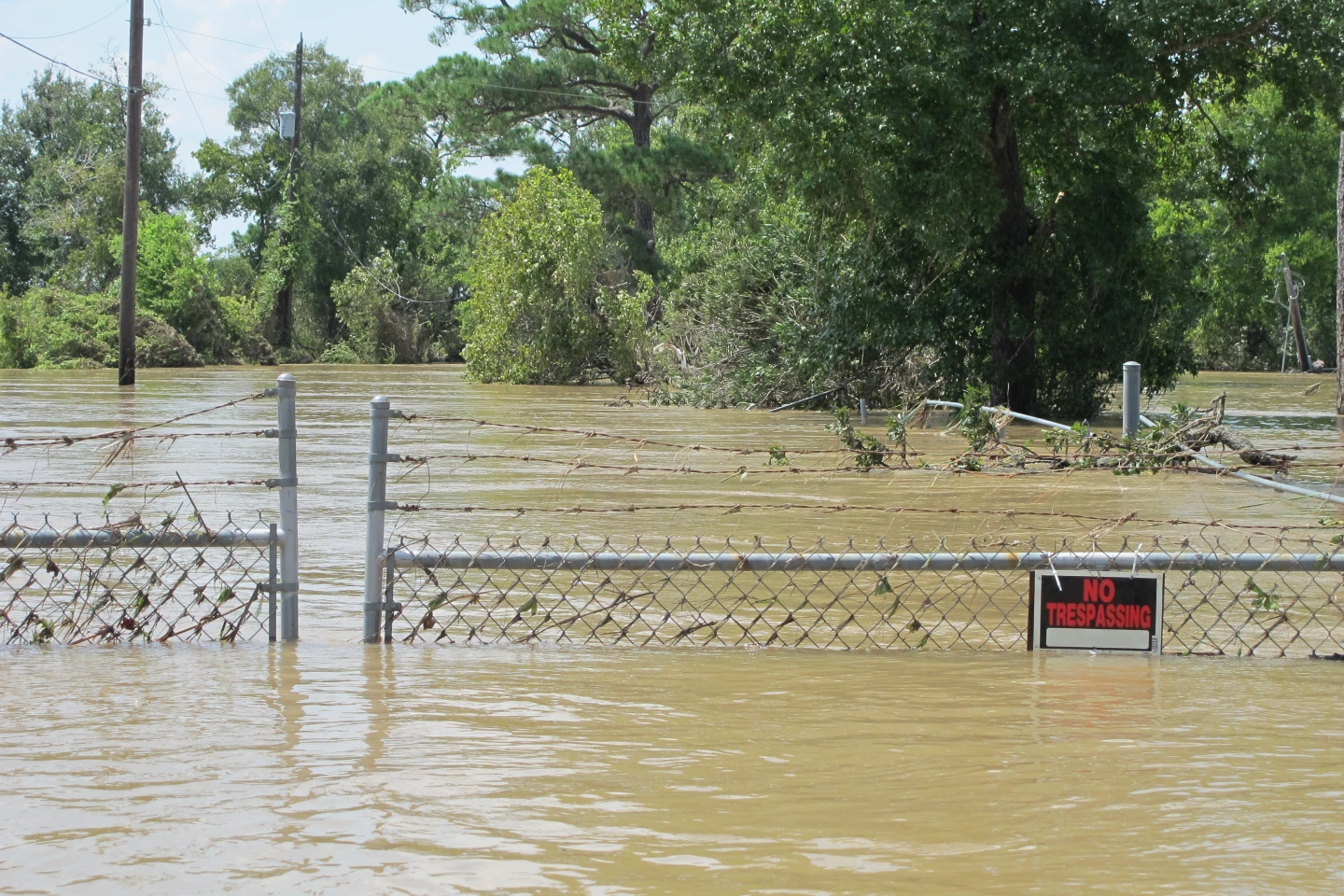
The assessment highlighted that many of these sites are threatened by various climate-related risks. For instance, 49 sites are particularly vulnerable to storm surges and sea-level rise, with several located near densely populated regions like the Chesapeake Bay. Furthermore, 47 sites are situated in low-lying areas that are at risk of flooding from precipitation, and 31 others face significant wildfire threats.
Despite the identified risks, existing cleanup plans often neglect to incorporate potential impacts stemming from flooding and extreme weather events. Betsy Southerland, a former director of the agency’s water protection division, stated, That is a big problem because it means the site managers are not planning mitigation measures. She urges that communities near these sites should be informed and advocate for comprehensive disaster planning.
Past instances of flooding, such as those during Hurricane Harvey in 2017, have resulted in the dispersal of hazardous materials into neighboring environments, underscoring the urgent need for improved risk management. As stated by Lara J. Cushing, a researcher at UCLA, the findings of the new reports are critical and timely; the prevalence of climate change must be acknowledged in order to prevent escalating natural and technological disasters in affected areas.
The EPA is currently reviewing these findings, asserting that its Superfund program incorporates considerations for extreme weather patterns as part of its operational procedures.