SAN DIEGO (AP) — The stench of raw sewage envelops Steve Egger's home in Southern California, particularly at night. This crisis is a consequence of the nearby Tijuana River, which has funneled more than 100 billion gallons of untreated waste into the Pacific Ocean since 2018.
At 72 years old, Egger and his wife find it difficult to breathe, constantly battling headaches and respiratory issues. Despite installing a hospital-grade air filtration system that cycles through every 15 minutes, the foul odor remains pervasive. Most nights we breathe in a horrible stench, Egger lamented. It’s awful.
This ongoing environmental crisis, primarily affecting the low-income, Latino community near the border, led the U.S. and Mexican governments to sign an agreement last year aiming to upgrade local wastewater treatment facilities to handle both population growth and industrial waste, especially from American companies.

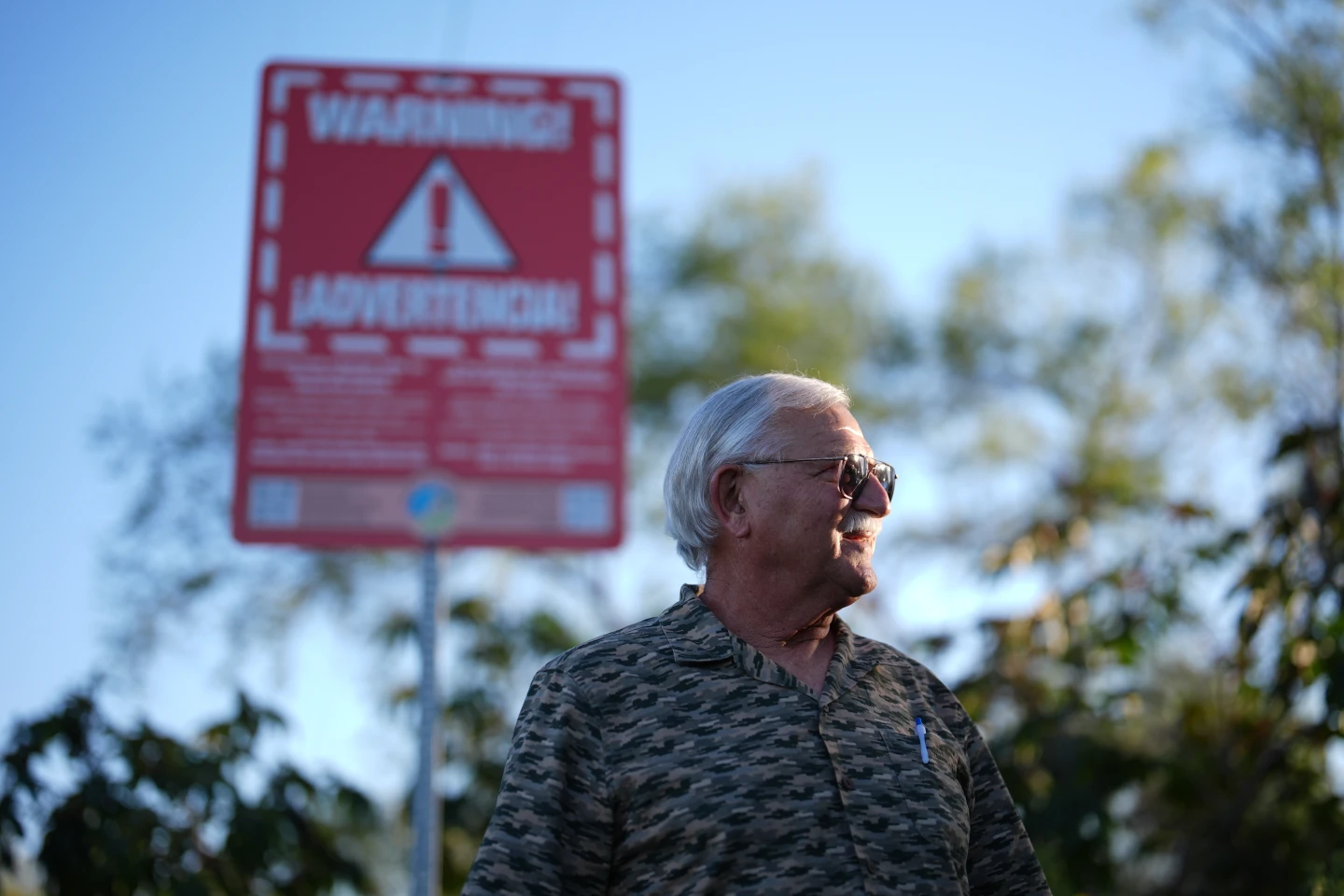
Steve Egger looks towards the polluted Tijuana River. (AP Photo/Gregory Bull)
According to the International Boundary and Water Commission, this toxic flow has included debris and industrial pollutants affecting local health conditions.
The crisis's impact on health is dire. In early 2024, a study revealed 71% of nearby inhabitants report smelling sewage within their homes, with another 69% reporting illness related to their exposure. Respiratory symptoms have spiked, particularly after a recent tropical storm event that exacerbated river conditions.
Dr. Matthew Dickson, a local physician, reported a 130% rise in respiratory-related patient visits coinciding with heightened river flow periods, prompting him to state, Every day that this isn’t fixed, more people are getting sick.
The long-term health consequences of exposure to hydrogen sulfide and additional toxic gases are only just being investigated, as the levels found in the area were reported to be drastically higher than the state's safety standards.
As the federal government and state officials convene to discuss potential regulations for the hazardous emissions from the river, the community continues to grapple with the fallout of this environmental tragedy.
In the face of these alarming conditions, local residents like Egger remain determined to push for clean-up efforts, holding on to their roots and advocating for a better, healthier environment for future generations.