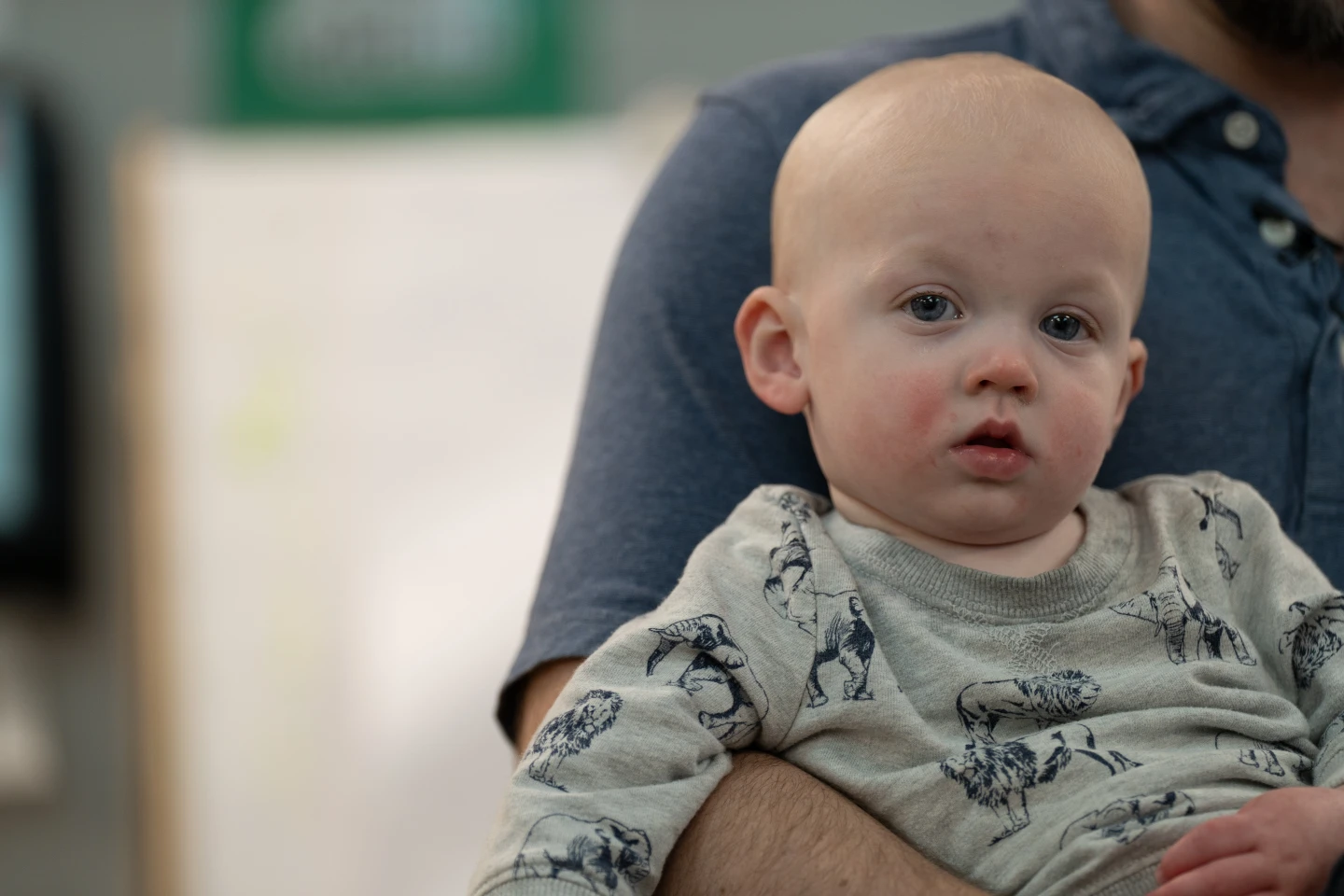
LANDRUM, South Carolina (AP) — With baby Arthur too young for the measles vaccine and a sibling due in June, the Otwells grew nervous as the threat of the highly contagious virus influenced their daily activities.
“We shop at Costco, which has reported public exposures,” said John Otwell. “Many are unaware; they think it’s just a minor illness. It’s dangerous.”
The ongoing measles outbreak in South Carolina has now become the worst the nation has seen in over 35 years, surpassing last year's incident in Texas. Now, Arthur can receive an early dose of the MMR vaccine, normally given at 12-15 months, in response to the outbreak, but their new infant must wait until at least six months, leaving many infants exposed.
Babies, too young to be vaccinated, are particularly vulnerable. Measles can severely affect them, causing pneumonia, brain swelling, or even death.
Healthcare experts stress that herd immunity is vital; at least 95% of a community must be vaccinated to ward off outbreaks. But declining vaccination rates in South Carolina, with less than 90% of students vaccinated in Spartanburg County, are alarming.
“Babies become sitting ducks,” said Dr. Deborah Greenhouse, a pediatrician who emphasizes the need for community-wide safety. Nevertheless, some policymakers view vaccination as an issue of personal freedom rather than public health.
Health Secretary Robert F. Kennedy Jr., a longtime opponent of vaccines, has attempted to reshape vaccination policies and has pushed numerous bills in various states, including South Carolina, that could hinder vaccination efforts.
South Carolina’s measles outbreak, approximately 1,000 cases, has seen a slowdown. However, other states face their own outbreaks, putting the U.S. at risk of losing its eliminated status for measles.
Doctors Work to Protect Young Children
Dr. Jessica Early started offering an early MMR dose to infants in her practice due to the outbreak fears. No one has clear statistics on how many young children have contracted measles, as hospitals are not mandated to report such admissions.
Daycare centers are witnessing parents withdrawing their children due to fear of exposure, highlighting anxiety in the community. While licensed daycares in South Carolina must confirm vaccinations, parental exemptions are available, complicating the issue and managing health safety.
Despite the challenges, Dr. Greenhouse and her colleagues advocate for vaccinations as critical for public health, arguing that legislative actions undermining vaccination requirements threaten the safety of vulnerable populations.
As measles cases surge nationally, healthcare providers are concerned about the potential for extensive ramifications if vaccination trends do not improve, emphasizing that choices made today will impact generations to come.