In brief
The World Health Organization’s director‑general has warned that the 2026 Ebola outbreak in the Democratic Republic of Congo may outpace the 2014‑16 epidemic that killed over 11,000 people. Already 4,300 cases and more than 2,000 deaths have been recorded since the emergency was declared on 15 May, with the Bundibugyo strain presenting particular challenges due to lack of a licensed vaccine. Health workers reach only about 30 % of cases because of regional instability, and WHO aims to bring transmission under control in three months. The UK has begun human trials of a Bundibugyo vaccine, and clinical studies are underway to test antiviral therapies in the outbreak region.
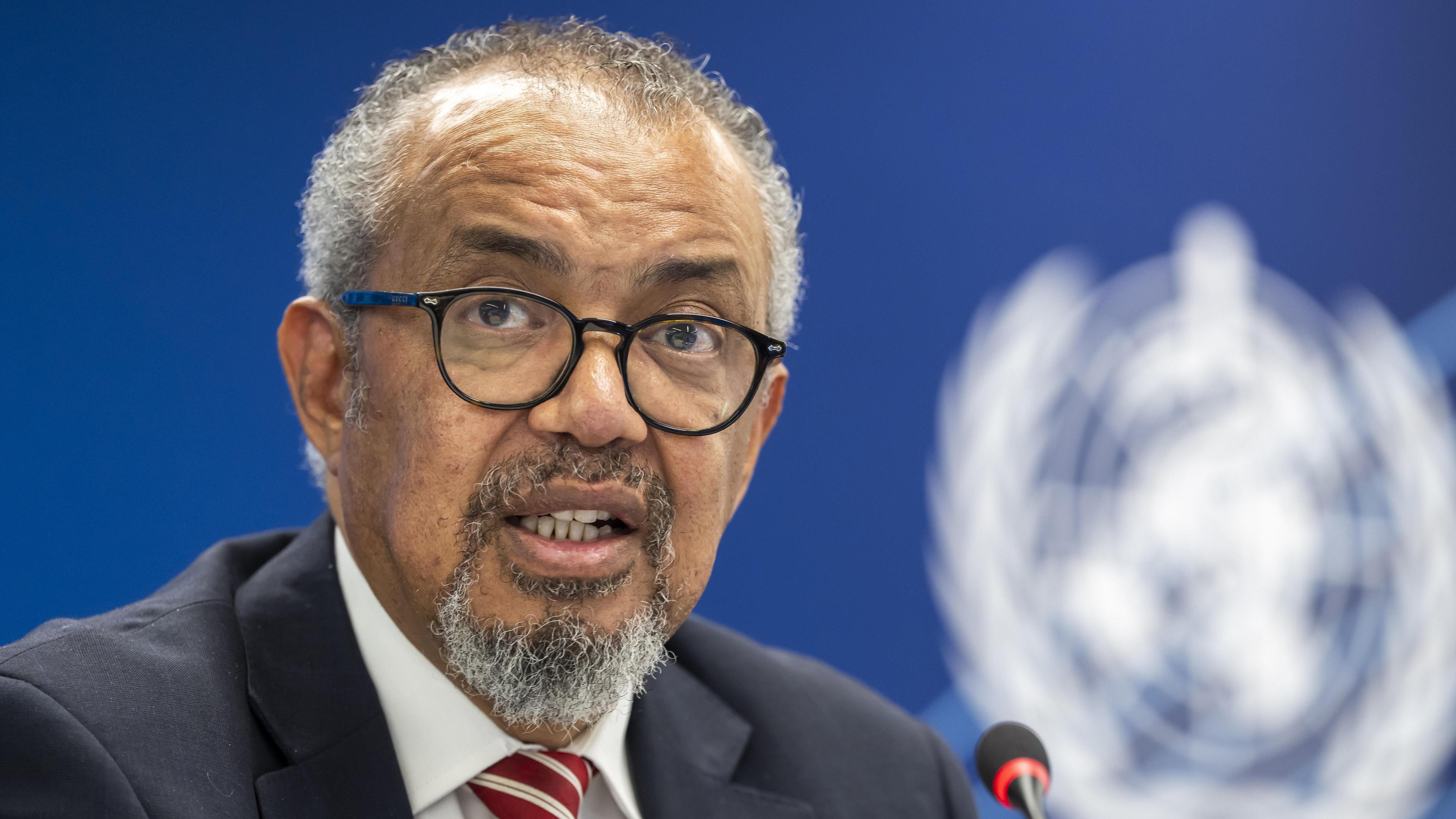
The World Health Organization’s director‑general Tedros Adhanom Ghebreyesus warned that the current 2026 Ebola outbreak in the Democratic Republic of Congo could eclipse the 2014‑16 epidemic that killed more than 11,000 people.
Since the DRC national authorities declared a public health emergency on 15 May, there have been roughly 4,300 laboratory‑confirmed cases and over 2,000 deaths, according to WHO data.
The virus in question is the rare Bundibugyo strain, which had only caused outbreaks in 2007 and 2012. No licensed vaccine or specific treatment targets this species, complicating containment efforts.
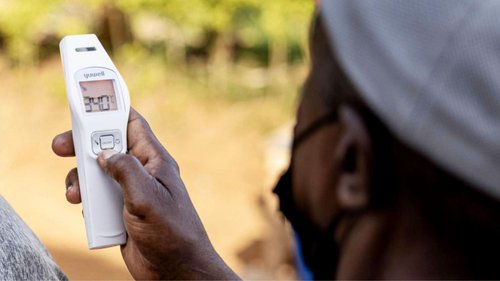
WHO officials say they hope to curb transmission within three months, but recognising it only means the virus will stay under control, not that it will be eradicated. The conflict‑torn eastern region hampers efforts: only about 30 % of cases are reached by health workers.
In response, the UK medicines regulator approved the first human trials of a Bundibugyo vaccine developed by the University of Oxford on the same platform used for the COVID‑19 A‑straZeneca jab. Other groups are also developing vaccines, though none have entered trials yet.
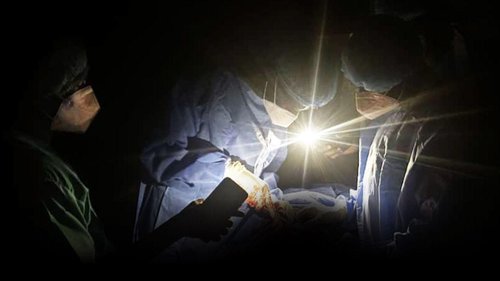
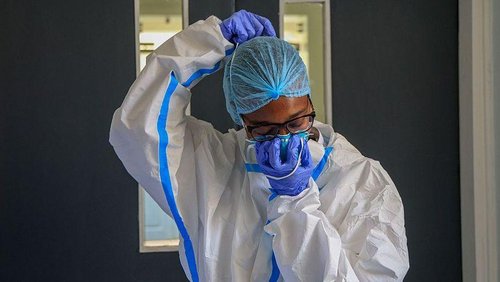
WHO is running a clinical study in the DRC to evaluate whether existing antiviral therapies can improve survival rates, while local teams push forward treatment protocols for patients exposed to the virus’s highly infectious bodily fluids.
The emerging crisis underlines the need for better surveillance, rapid response capacity and international cooperation if the world is to prevent a new deadliest Ebola outbreak.