
In brief
A recently discovered collection of photographs is shedding light on the crucial role women played in India's civil disobedience movement against British rule. These images capture not only their participation but highlight their leadership during a pivotal time in history, revealing a narrative often overshadowed by male figures. The detailed story told through the Nursey album reinforces the empowerment of women as they took charge and transformed political dynamics in colonial India.
A set of recently discovered photographs is drawing attention to the pivotal role women played in the civil disobedience movement in India, led by Mahatma Gandhi during 1930-31. These images reveal not just participation but underscore how women commanded political action, often placing men in the background.
The significance of the civil disobedience movement, recognized as a turning point in Indian politics, is further emphasized by Gandhi's pivotal salt march in April 1930, which led to waves of civil disobedience, inviting supporters to create contraband salt and stand up against British authorities.
Historians have long noted the movement's complexities, with many female leaders emerging, compelling Gandhi to allow women a more substantial role than initially intended. Notably, the Alkazi Foundation acquired an album containing these photographs, showing previously unseen aspects of this movement.
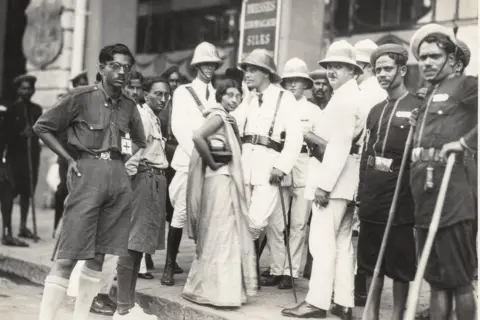
This album, containing photographs that convey the intense atmosphere of protests, captures numerous unknown women in action, from marching in Darjeeling's rainy streets to clashing with police. The photographs reveal a vigorous spirit, portraying women leading boycotts and engaging in direct actions against colonial rule.
As these pictures were examined by historians, the narrative of women's empowerment through their active participation surfaced. They disrupted traditional gender roles by not just participating but leading movements, taking on responsibilities that redefined their societal positions.
The collection not only documents historical events but manifests how the roles of women transformed forever, allowing them to claim public spaces amidst a male-centric political landscape. A new book titled Photographing Civil Disobedience and ongoing exhibitions aim to honor and revive the legacy of these women's contributions, ensuring their vital role in India's history is no longer forgotten.


