The walls of Dhaka University are screaming again with graffiti that speaks to the discontent brewing among the nation’s youth. The Gen Z-led July 2024 uprising, which saw the ousting of Sheikh Hasina after a lengthy rule, has left an indelible mark on the political landscape. Once seen as a pro-democracy icon, Hasina is now viewed as increasingly autocratic, with many blaming India for her prolonged governance and perceived abuses.
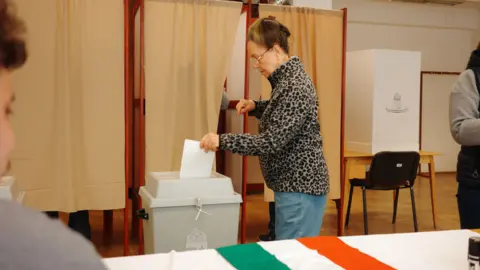
As students gather on campus, they openly discuss political matters, their first genuine opportunity to participate in a democratic election approaching on February 12. With Hasina now in exile in India, the new leadership under Nobel laureate Muhammad Yunus faces complex challenges. The Awami League, historically dominant, has been sidelined in these upcoming elections, giving the BNP a chance to reclaim center ground.
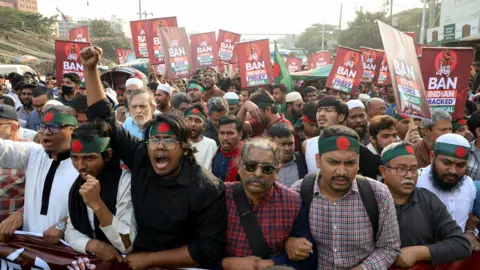
However, the outcries extend beyond domestic politics. The chant of 'Dhaka, not Delhi' resonates throughout campus, indicative of a growing sentiment that resents India’s perceived dominance over Bangladeshi sovereignty.
Young voices like that of Mosharraf Hossain, a sociology student, reflect this shift: India has intervened in our country for many years, especially post-2014 elections deemed rigged by many. This growing narrative frames India's actions as contributing factors to Bangladesh's erosion of democracy.
The relationship has suffered significant strain, with both nations experiencing a deepening public sentiment against the backdrop of political theatrics. From accusations of meddling to disappointing economic exchanges, the essence of neighborly relations is at a critical low.
Further compounding these issues, popular sentiment is fueled by negative perceptions surrounding India's handling of the 2024 violence and retaliatory rhetoric attributed to Indian politicians. As this chapter unfolds—marked by cultural distrust and the complexities of governance—diplomatic ties hang by a thread with many fearing an irreversible rupture.
In the wake of these political transformations, analysts predict that while repairing these ties won't be quick or easy, the narrative of independence may serve as a vital pivot for Bangladesh’s youth. They demand a reassessment of India's influence, one that respects sovereign equality rather than patronage.
As students gather on campus, they openly discuss political matters, their first genuine opportunity to participate in a democratic election approaching on February 12. With Hasina now in exile in India, the new leadership under Nobel laureate Muhammad Yunus faces complex challenges. The Awami League, historically dominant, has been sidelined in these upcoming elections, giving the BNP a chance to reclaim center ground.
However, the outcries extend beyond domestic politics. The chant of 'Dhaka, not Delhi' resonates throughout campus, indicative of a growing sentiment that resents India’s perceived dominance over Bangladeshi sovereignty.
Young voices like that of Mosharraf Hossain, a sociology student, reflect this shift: India has intervened in our country for many years, especially post-2014 elections deemed rigged by many. This growing narrative frames India's actions as contributing factors to Bangladesh's erosion of democracy.
The relationship has suffered significant strain, with both nations experiencing a deepening public sentiment against the backdrop of political theatrics. From accusations of meddling to disappointing economic exchanges, the essence of neighborly relations is at a critical low.
Further compounding these issues, popular sentiment is fueled by negative perceptions surrounding India's handling of the 2024 violence and retaliatory rhetoric attributed to Indian politicians. As this chapter unfolds—marked by cultural distrust and the complexities of governance—diplomatic ties hang by a thread with many fearing an irreversible rupture.
In the wake of these political transformations, analysts predict that while repairing these ties won't be quick or easy, the narrative of independence may serve as a vital pivot for Bangladesh’s youth. They demand a reassessment of India's influence, one that respects sovereign equality rather than patronage.