In brief
In a dramatic turn of events, Brazilian police have arrested members of an elite military group who allegedly plotted to assassinate President Luiz Inácio Lula da Silva before he took office in 2022. The investigation unveils a disturbing attempt to ensure the continuation of Jair Bolsonaro's presidency, raising critical concerns about democracy and state security in Brazil.
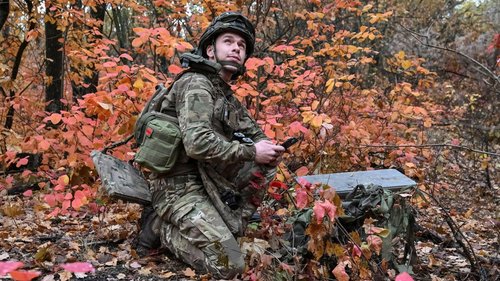
In a shocking revelation, Brazilian law enforcement announced the arrest of multiple individuals from an elite military unit, charged with orchestrating an assassination attempt against President Luiz Inácio Lula da Silva in late 2022. The plot emerged shortly after Lula's electoral victory over incumbent Jair Bolsonaro, signaling a desperate bid to maintain Bolsonaro’s rule amid political upheaval.Authorities detained four military personnel, including a former senior aide to Bolsonaro, and a federal police officer, all implicated in the conspiracy. These individuals reportedly employed sophisticated military strategies to devise a plan targeting Lula and his chosen vice president, Geraldo Alckmin. The planned date for the alleged assassination was December 15, 2022, showcasing a deliberate and premeditated effort to undermine Brazil’s democratic transition.The police statement revealed broader ambitions, with indications that the conspirators had also targeted a Supreme Court justice, although the identity of this individual remained undisclosed. The investigation underscored an alarming level of detailed planning, encompassing both human resources and tactical execution. In light of the allegations, Bolsonaro's lawyer, Paulo Cunha Bueno, fervently denied any involvement by his client, stating that Bolsonaro had "never agreed or participated in any type of plan of this nature." However, no information has emerged to clarify whether the conspiratorial plot had been successfully executed or aborted prior to the arrests.As Brazil grapples with its recent political turmoil, this incident has heightened fears of political violence and the fragility of democracy, raising significant questions about future stability in the nation. The unfolding investigation promises to expose even deeper political narratives as Brazil navigates the complexities of its leadership change.