In brief
Ukrainian forces have advanced over 277 square kilometres in eastern Donbas as part of Operation Vivaldi, pushing back Russian troops near Lyman. The campaign hinges on drones and the broadband connectivity provided by Elon Musk’s Starlink network, known as Starshield. However, sudden US restrictions on the system have raised concerns among Kyiv’s commanders. Despite the uncertainty, morale remains high as soldiers celebrate regained ground and the possibility of ending the war.
In a stunning series of advances, Ukrainian forces have pushed Russian troops back more than 277 square kilometres (106 sq mi) in the eastern Donbas as part of Operation Vivaldi. The fighting, fought largely over the first of several “seasons”, is taking place along a razor‑sharp frontline near the old fortress‑belt city of Lyman.
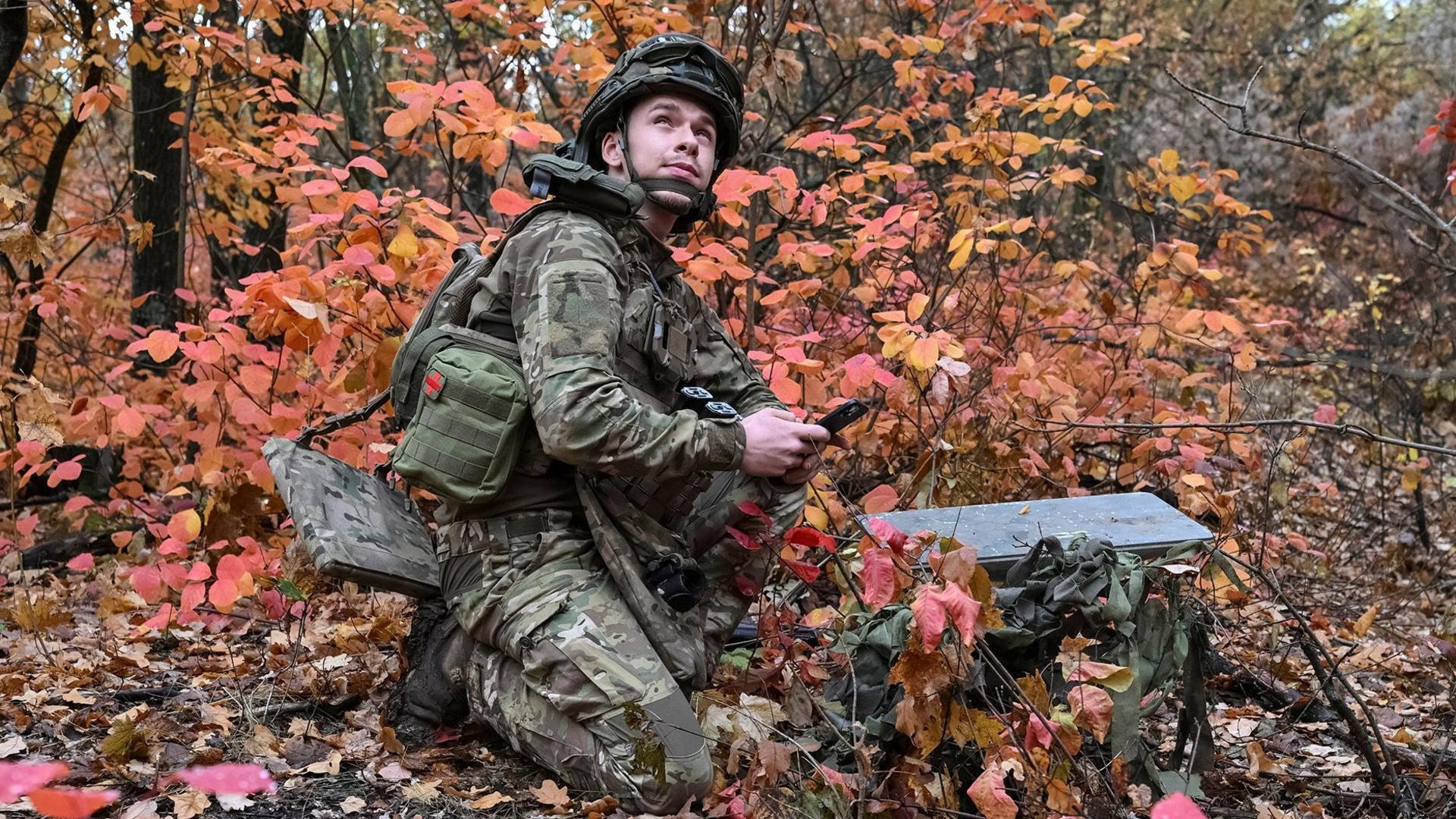
What has made the victory possible, according to commanders, is a new generation of drone‑controlled attacks and, most critically, the broadband connectivity that Elon Musk’s Starlink network—known in the army as Starshield—provides on the battlefield. The network is fed into every level of Ukrainian command: from the console in the bunker watching a live feed of an enemy drone in the air, to the soldiers on the ground who receive pop‑up alerts that an explosive drone is on the way.
The day the Ukrainian rebels dropped a net‑laden weapon over a Russian reconnaissance drone took everyone by surprise. Once the net fell, the drone was ripped to pieces, neutralising a weapons‑lifting platform that would have otherwise guided a second, bomb‑laden aircraft.
Yet the battle for digital supremacy is fragile. Earlier this week Kyiv announced that U.S. authorities had imposed sudden, undisclosed restrictions on the Starlink system, cutting bandwidth and forcing the army to adjust its tactics. Musk and a number of reporters say the order may have come from Washington, a move that has angered President Zelensky and shaken trust in the U.S. partnership.
Despite the uncertainty, morale inside the lines remains high. An infantryman called Dealer said, “This offensive has made me believe Ukraine can win the war.” He recalled how drones now deliver food parcels as well as the latest artillery intel.
In the village of Karpivka, 61‑year‑old Volodymyr Zamota—the lone survivor after evacuation—appeared at a convoy of troops and said he “would like to know when it will all end.” Ukrainian commanders similarly credit the operation with giving them a superior foothold that can support future manoeuvres.