Two US fighter jets were tracked circling the Gulf of Venezuela on Tuesday as tensions continue to escalate between the two countries. The F/A-18 Super Hornets appeared on flight tracking sites near Maracaibo, Venezuela's second-largest city, at around 1:00 PM (5:00 PM GMT), before circling the gulf for about 40 minutes. A US defense official told the Associated Press that the F/A-18 jets had conducted a routine training flight in the area. The incident comes amid a wave of US strikes against boats in the Caribbean Sea, which the White House stated were trafficking drugs to the US from Venezuela. Experts have raised questions over the legality of the strikes, which have resulted in over 80 fatalities.
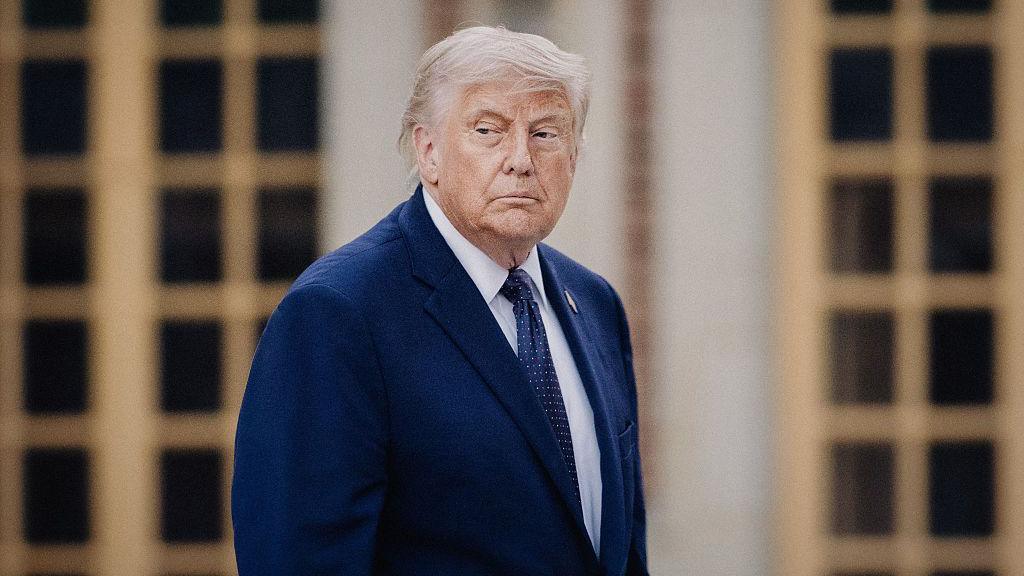
Venezuelan President Nicolás Maduro has accused the US of using the strikes to destabilize the country and oust him from power. In an interview conducted with Politico the day before the jets approached Venezuela's coastline, Trump claimed that Maduro’s days in power were numbered, declining to comment on the potential deployment of US troops to Venezuela. A separate jet, an EA-18G Growler, also appeared just before the F/A-18s on the tracking site FlightRadar24, flying loops just north of Venezuela’s coast.
They are the latest in a series of unusual US air force activities tracked since September, with B-52 Stratofortress and B-1 Lancer bombers previously observed flying up to and along the Venezuelan coast. However, the F/A-18s are notable as they were the first to approach the Venezuelan coastline this publicly in recent months, coming within 20 nautical miles before a US official confirmed they remained in international airspace. Neither the F/A-18s nor the Growler displayed an origin or a destination on FlightRadar24, only activating their transponders as they neared Venezuelan waters.
The F/A-18s flew six loops up and down the Gulf of Venezuela, while the Growler jet, operating under a different codename, performed circles along the coast. Analysis from experts suggests these flights could be probing Venezuelan defense mechanisms, gathering intelligence for potential future operations, or serving as a warning sign to the Venezuelan leadership. With the US continuing to deploy military assets in the Caribbean to combat drug trafficking, tensions between the two nations are expected to persist.
Venezuelan President Nicolás Maduro has accused the US of using the strikes to destabilize the country and oust him from power. In an interview conducted with Politico the day before the jets approached Venezuela's coastline, Trump claimed that Maduro’s days in power were numbered, declining to comment on the potential deployment of US troops to Venezuela. A separate jet, an EA-18G Growler, also appeared just before the F/A-18s on the tracking site FlightRadar24, flying loops just north of Venezuela’s coast.
They are the latest in a series of unusual US air force activities tracked since September, with B-52 Stratofortress and B-1 Lancer bombers previously observed flying up to and along the Venezuelan coast. However, the F/A-18s are notable as they were the first to approach the Venezuelan coastline this publicly in recent months, coming within 20 nautical miles before a US official confirmed they remained in international airspace. Neither the F/A-18s nor the Growler displayed an origin or a destination on FlightRadar24, only activating their transponders as they neared Venezuelan waters.
The F/A-18s flew six loops up and down the Gulf of Venezuela, while the Growler jet, operating under a different codename, performed circles along the coast. Analysis from experts suggests these flights could be probing Venezuelan defense mechanisms, gathering intelligence for potential future operations, or serving as a warning sign to the Venezuelan leadership. With the US continuing to deploy military assets in the Caribbean to combat drug trafficking, tensions between the two nations are expected to persist.