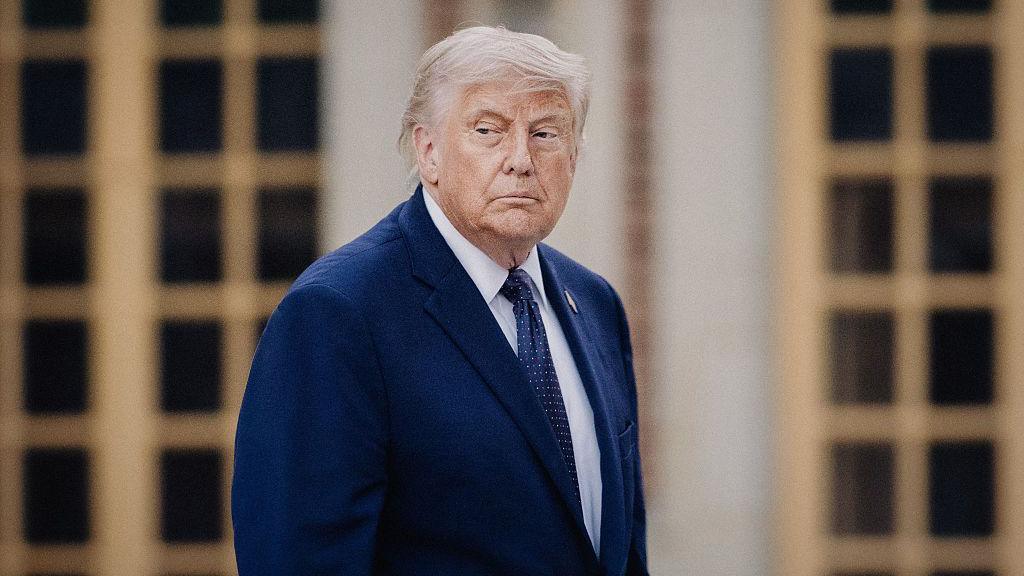
In a breakthrough in the ongoing conflict between Israel and Hezbollah in southern Lebanon, US President Donald Trump announced a 10-day ceasefire will commence at 17:00 EST (21:00 GMT; midnight local time).
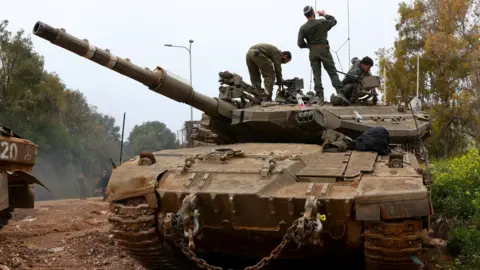
Israeli Prime Minister Benjamin Netanyahu confirmed Israel's participation in the ceasefire but stated that troops will continue to maintain a 10km-deep security zone in southern Lebanon, emphasizing, We are there, and we are not leaving. Conversely, Hezbollah has indicated its willingness to join the truce but insists on broad conditions that include halting all attacks across Lebanese territory and preventing Israeli troop movements.
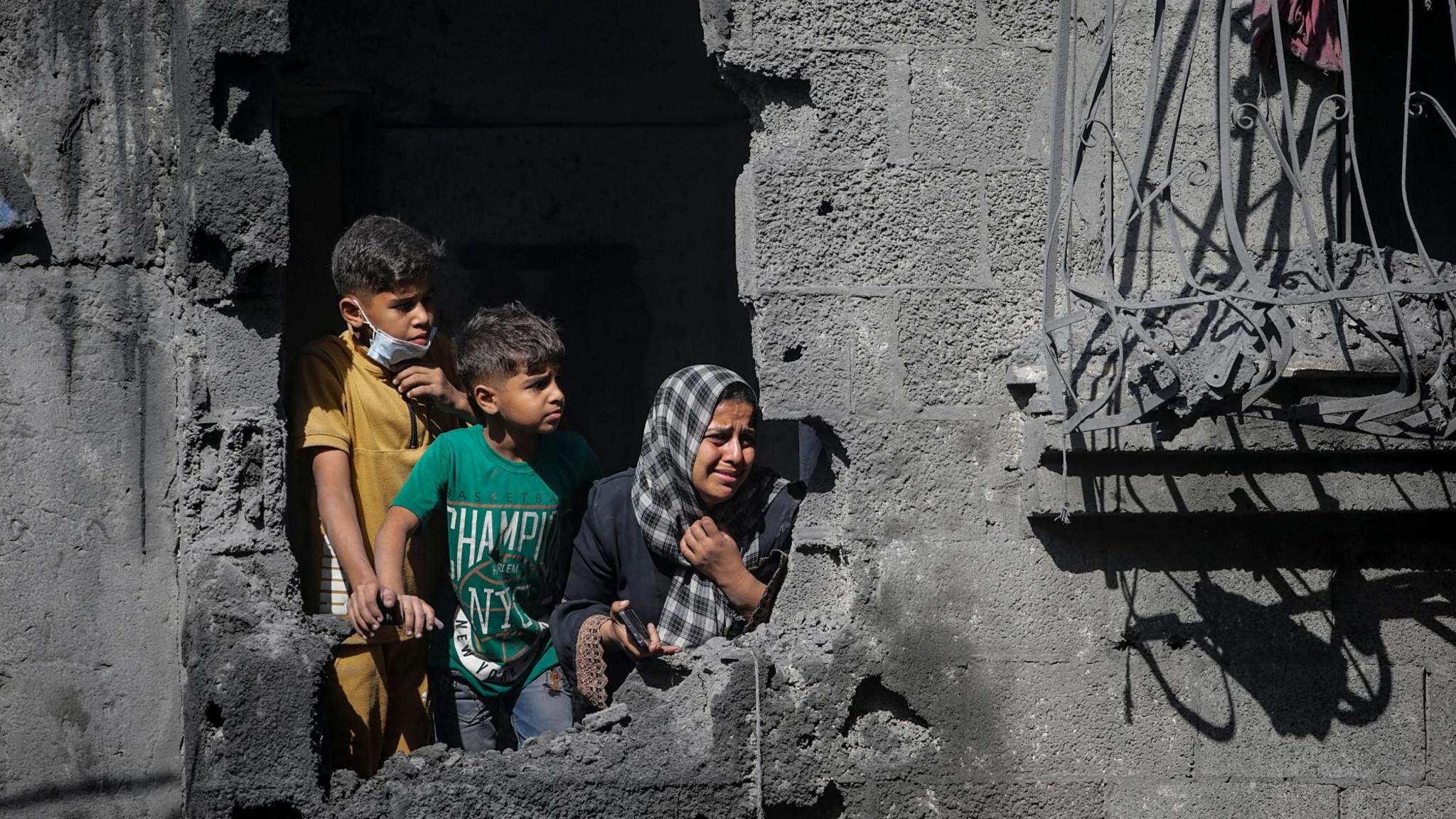
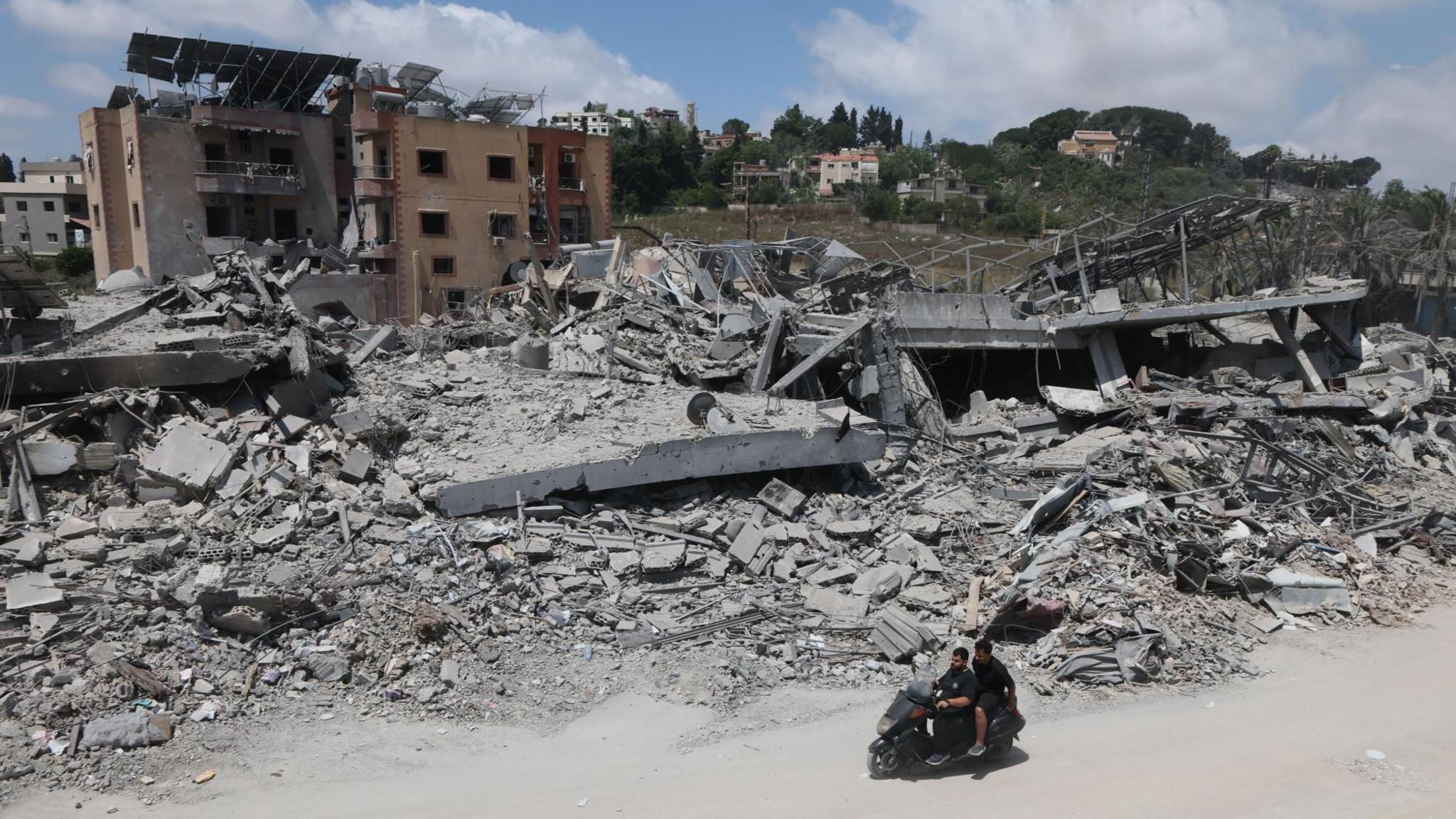
This latest conflict ignited on March 2, 2026, following a US-Israel joint operation against Iran, leading to escalated hostilities with Hezbollah launching retaliatory strikes into northern Israel. The conflict has been devastating, resulting in over 2,000 deaths in Lebanon and displacing roughly a fifth of its population.
As part of the ceasefire, Lebanon's government has pledged to take necessary actions to stop Hezbollah and other unauthorized armed groups from conducting actions against Israel. Despite the ceasefire, key issues remain unresolved, particularly the future of Hezbollah's armament, as Lebanon's leadership argues that disarming the group necessitates negotiation rather than forceful imposition.
Notably, the ceasefire represents a rare opportunity for direct negotiations between the two nations, with Trump indicating plans to invite Netanyahu and Lebanon's President Joseph Aoun for discussions at the White House—an unprecedented step since the Lebanese Civil War in the early 1980s.
While the ceasefire offers a moment of respite, the potential for further armed conflict looms, particularly if neither party can agree on the disarmament of Hezbollah or if attacks persist.