In brief
A newly created WhatsApp channel called Lula’s Army mobilised over 10 million followers in weeks, energising supporters to share videos, hashtags and urge voters. Led by Congressman André Janones, the tactic reversed polls that had predicted a defeat for the left‑wing president. Scientists note that while the digital push alone cannot explain the win, it dovetailed with on‑the‑ground campaigning to boost turnout and sway undecided voters. Lula praised Janones as “our General” and hinted that the campaign’s lessons will shape governance and future elections.
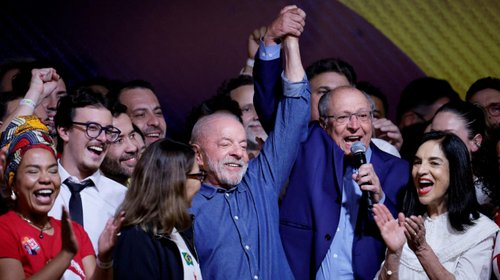
A WhatsApp channel created to support Luiz Inácio Lula da Silva’s re‑election campaign was credited by allies with helping deliver one of the most unlikely comebacks in recent Brazilian politics.
Brazil’s left‑wing president had been trailing right‑wing challenger Flávio Bolsonaro, but managed to turn the race around in just three weeks.
The rise of "Lula’s Army"
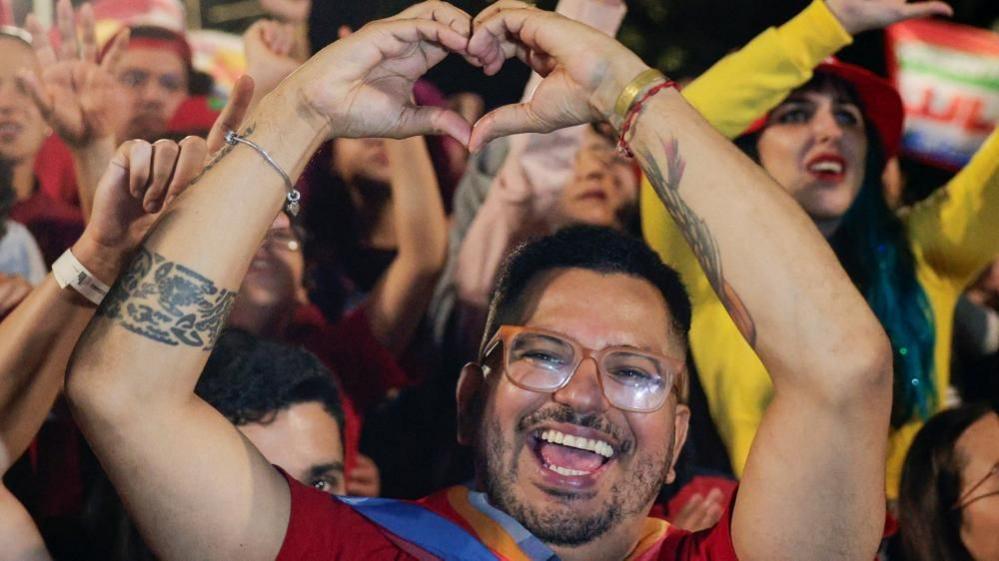
At a moment when many doubted Lula could reverse the result, a WhatsApp channel called Lula’s Army emerged and rapidly grew to 10.8 million followers.
Led by Congressman André Janones, the operation encouraged supporters to share videos, promote hashtags and recruit new voters.
Its dramatic growth between the two rounds was particularly notable because it appeared to reverse a long‑standing imbalance in Brazilian politics.
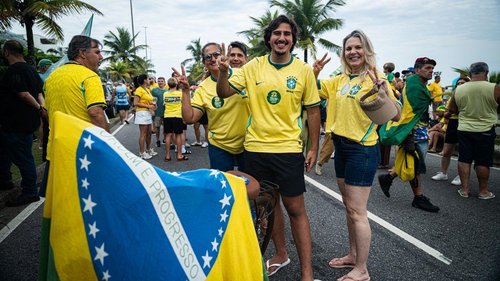
For years, conservatives aligned with former President Jair Bolsonaro had been widely seen as dominating online political mobilisation, especially on platforms such as WhatsApp and Telegram.
Social media’s role in the comeback
Measuring the electoral impact of online mobilisation, however, is notoriously difficult. While Lula’s allies credit the Army with helping fuel the comeback, political scientists caution that it is impossible to determine how many votes, if any, were directly influenced by the WhatsApp operation.
Political scientist Denilde Holzhacker argues that a shift in Lula’s campaign strategy was key to his comeback. Rather than relying solely on online engagement, she says the Workers’ Party candidate succeeded in connecting digital campaigning with grassroots mobilisation on the ground.
According to Holzhacker, the campaign intensified local efforts and adapted its messaging – linking a Bolsonaro victory with concerns about potential changes to social programmes and the loss of rights. “It was to Lula’s credit that he recognised his own weakness and completely changed his style,” she says. "And Janones managed to do something that had seemed unthinkable for Brazil’s left – dominate social media.”
Sociologist and political scientist Mayra Goulart also cautions against attributing Lula’s comeback solely to social media. “It was a combination of social media and street‑level mobilisation,” she says. "The physical world enabled a form of mobilisation capable of reducing abstention and persuading undecided voters."
Lula himself suggested that the mobilisation behind his comeback could shape the way he governs in the years ahead. In his victory speech, he said the election had taught him many lessons and pledged to change the way Brazil is governed: ‘We are going to give people a greater say in decision‑making, and digital communication will play a much bigger role in my government.’