Exploring the Ambiguities of Guinea-Bissau's Recent Military Takeover
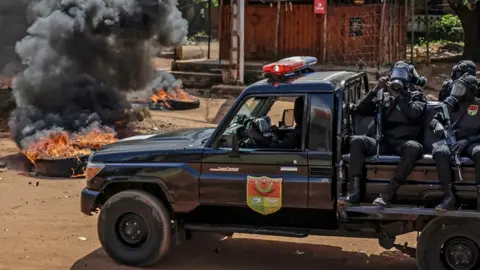
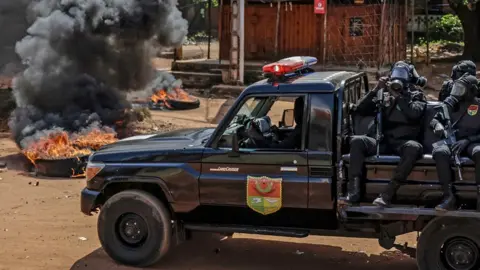
Military takeovers are nothing new in Guinea-Bissau. The West African country has been through a series of coups since gaining independence in 1974, with at least nine notable attempts. The recent military control initiated last Wednesday has led to confusion about its legitimacy amidst allegations and accusations.
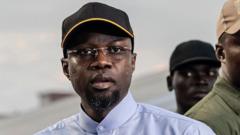
The coup unfolded as gunfire erupted near the presidential palace, with President Umaro Sissoco Embaló detained and soldiers announcing their control on state media. Yet, many, including Senegalese Prime Minister Ousmane Sonko and former Nigerian President Goodluck Jonathan, questioned whether Embaló himself was behind the coup to deflect unfavorable election results.
The military's description of its actions as a preventative measure against a destabilization plot fueled debate, as observers noted the unusual circumstances surrounding Embaló's swift departure to Senegal shortly after. This skepticism is further compounded by the political backdrop of a recent presidential election in which Embaló was seeking re-election against Fernando Dias da Costa, who had previously been backed by a disqualified candidate.
What Led to the Coup?
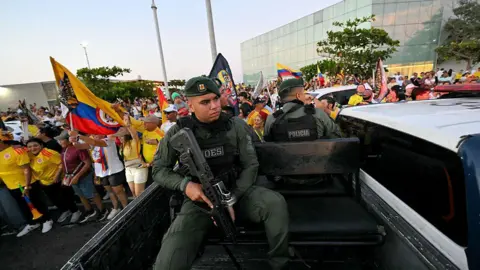
Only days before the coup, citizens of Guinea-Bissau participated in a crucial presidential election. As results were awaited, gunfire rattled the capital, leading to Embaló's arrest and the military's announcement that elections would be suspended. Reports surfaced of armed individuals attacking the electoral commission to prevent results from being published.
Reactions to the Coup
Dissatisfaction over the military's power grab grew as opposition parties called for the release of detained officials and for electoral transparency. Many Bissau-Guineans expressed mixed feelings, hoping for a stable transition while fearing the return of a military-led regime.
The Way Forward
General Horta N'Tam was appointed as the new leader, indicating a potential year-long military rule ahead. The nation is left in turmoil, with protests demanding accountability against the military's actions and the restoration of electoral order, while some citizens wish for improved governance under the new powers. Uncertainty looms large over the future of Guinea-Bissau's democracy and political landscape.