MINNEAPOLIS (AP) — Federal Homeland Security officials are conducting a fraud investigation in Minnesota, as highlighted by Secretary Kristi Noem on Monday.
This initiative follows years of digging into the $300 million fraud scheme associated with the nonprofit Feeding Our Future, which has resulted in the conviction of 57 defendants. Prosecutors claim it represents one of the largest COVID-19-related scams in the nation, with schemes exploiting federally aided programs aimed at providing meals for children.
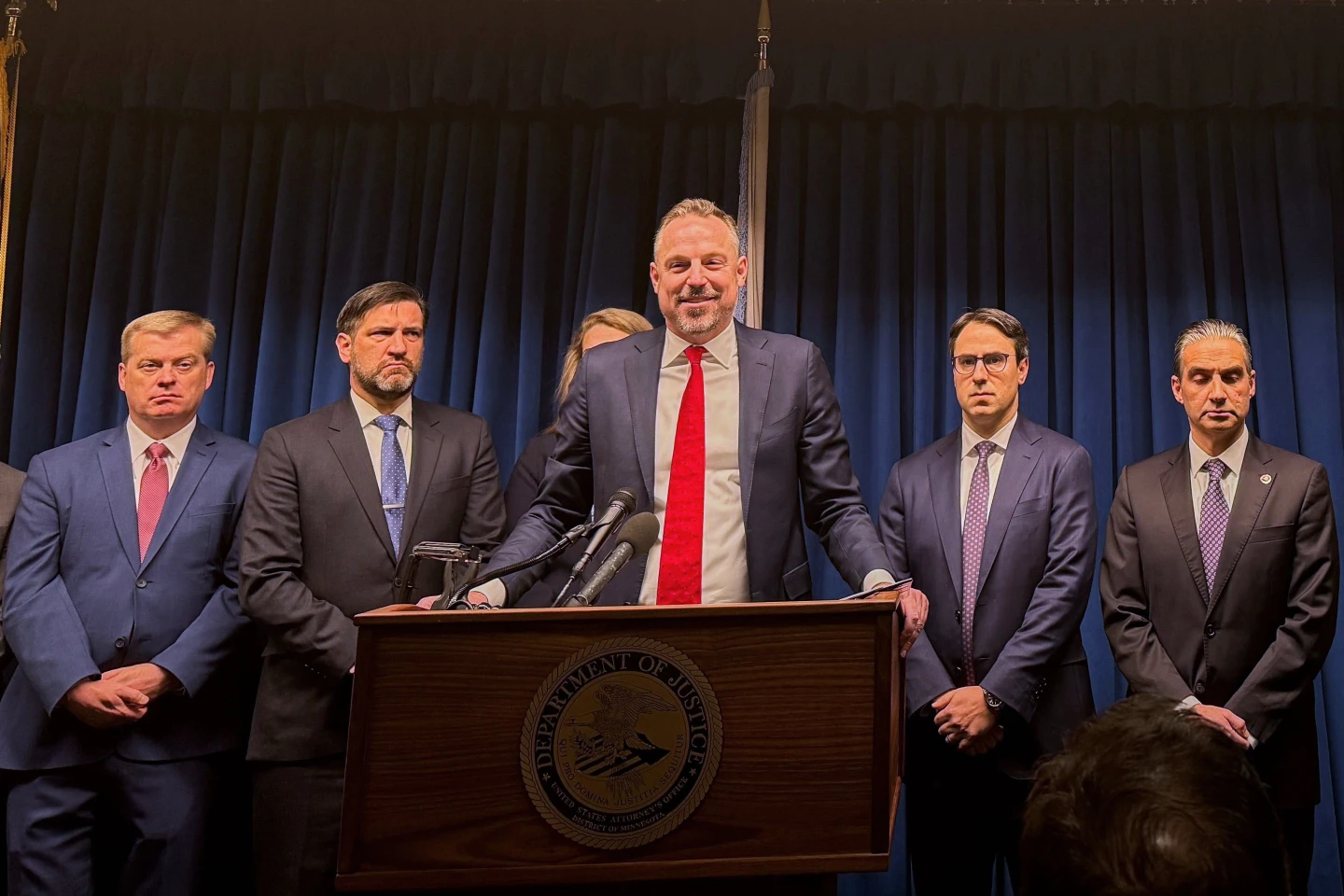
A federal prosecutor stated that it is believed up to half of the $18 billion in federal funds that supported 14 different programming initiatives in Minnesota since 2018 may have been misappropriated, many of which involved Somali American defendants.
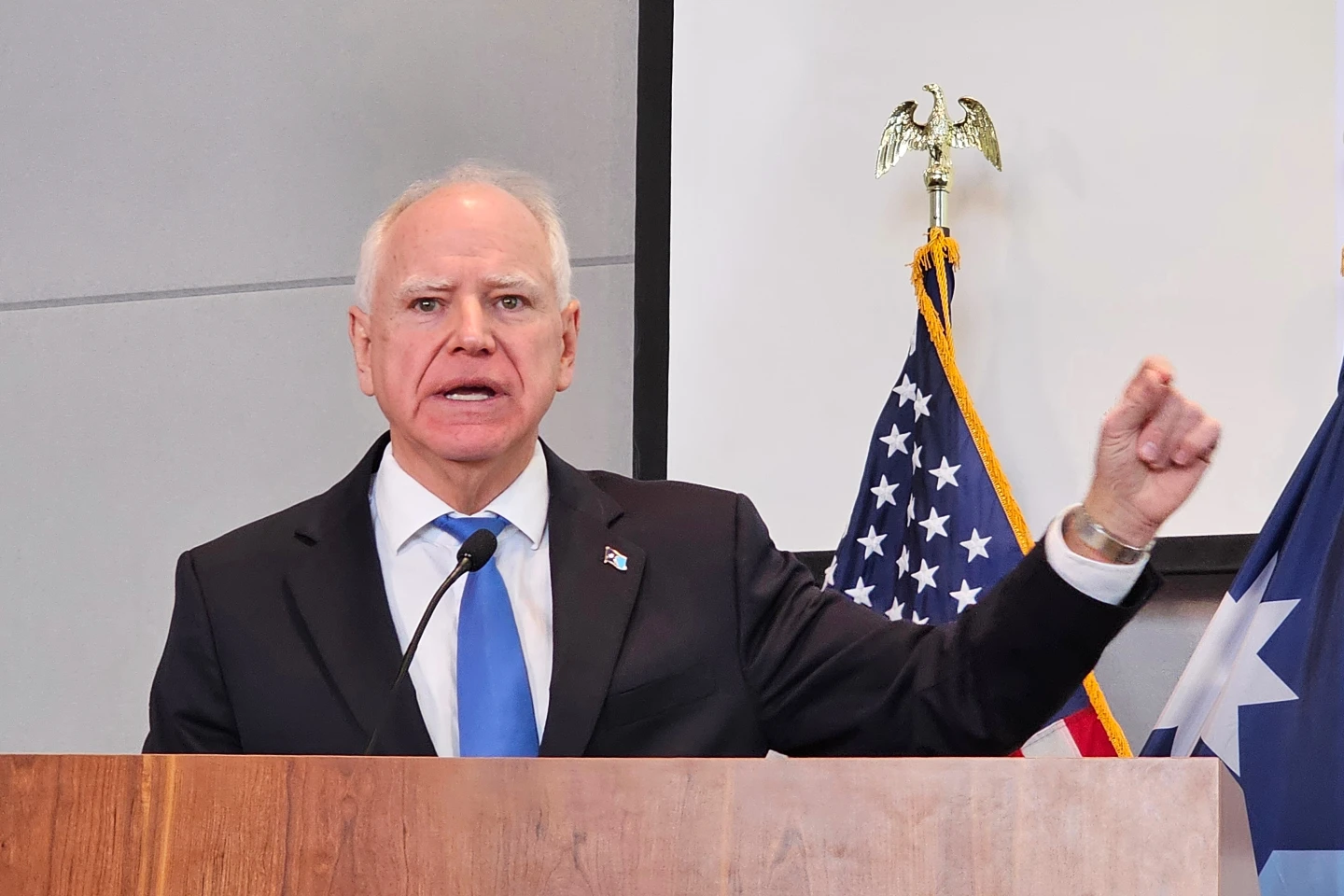
Minnesota Governor Tim Walz condemned the fraud and vowed cooperation with federal partners to ensure that fraud is halted and perpetrators brought to justice.
In a public statement on social media platform X, Noem released a video that documented DHS officials querying employees at an unannounced business visit, asserting that they are engaged in an extensive investigation into childcare fraud and other illicit financial actions.
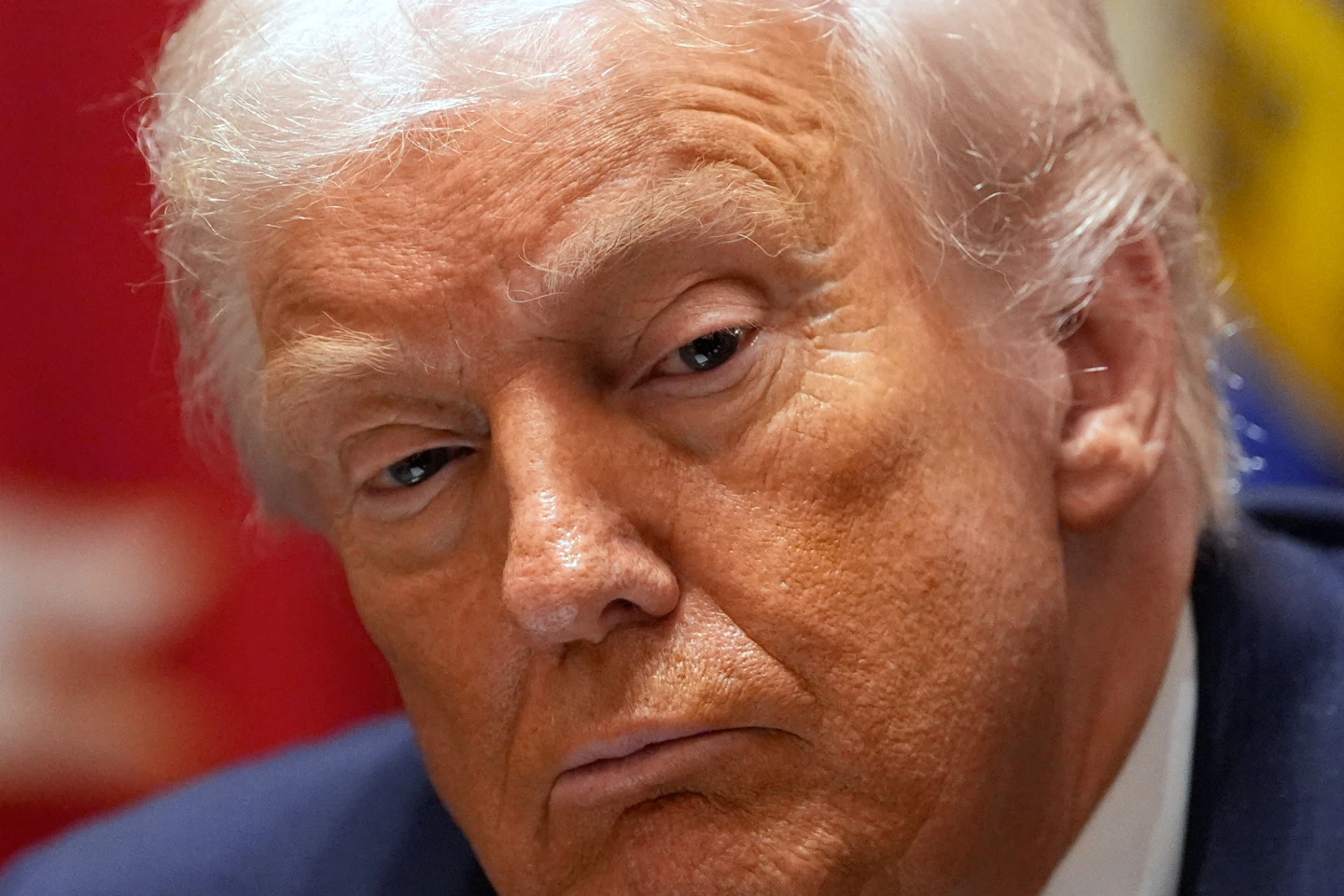
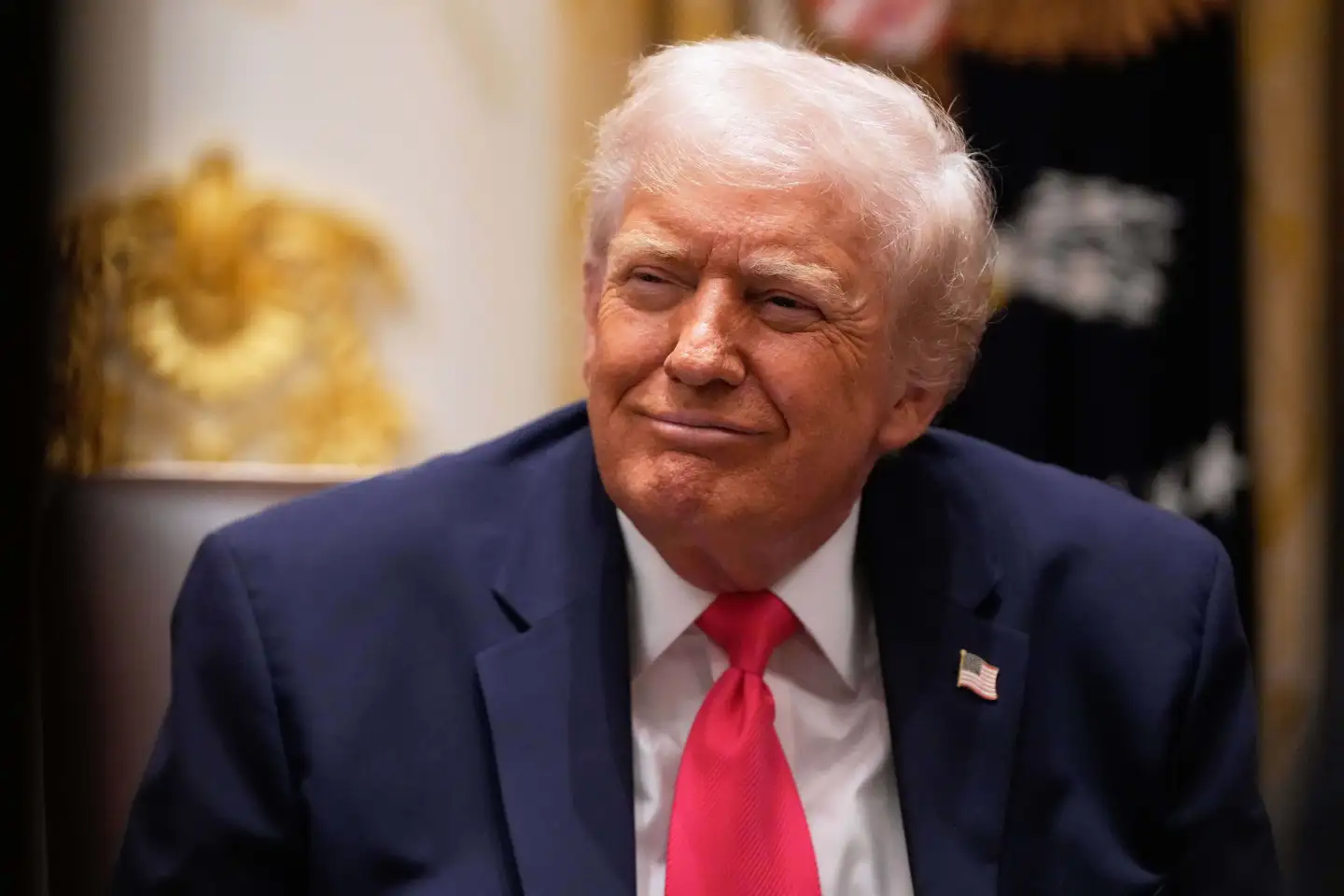
In light of previous operations against fraudulent agencies in Minnesota, FBI Director Kash Patel remarked that these initial arrests merely signify the “tip of the iceberg” regarding the extensive fraud schemes in the area. President Trump too criticized local administration’s handling of the fraud issue during his remarks.
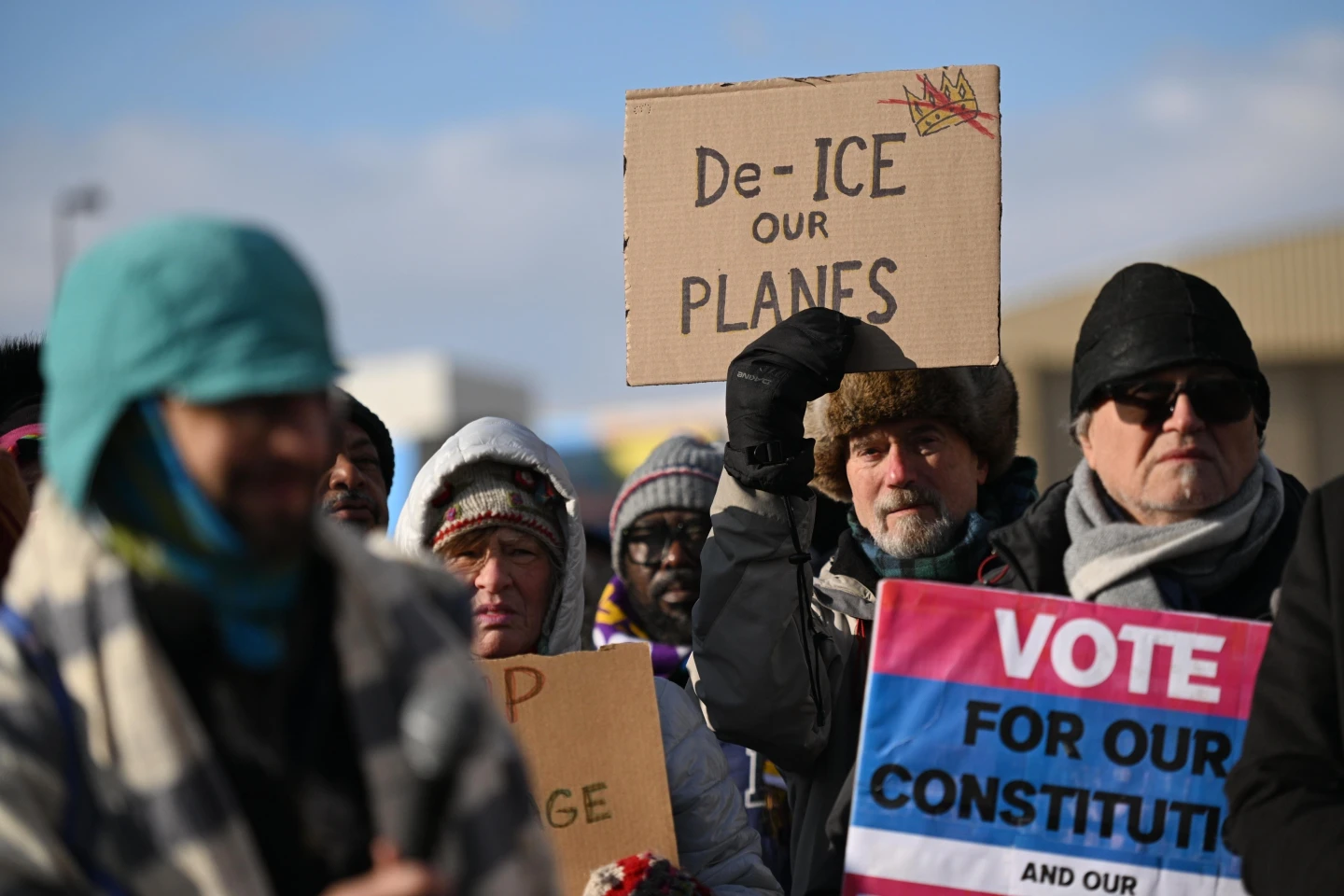
As tensions peak between state and federal enforcement, especially concerning immigration policies affecting the large Somali population in the Minneapolis-St. Paul corridor, instances of abuse and misdirection of public funds have garnered national attention. Furthermore, recent enforcement actions reveal that among the individuals involved in exploiting funds for child nutrition and other services, 82 out of 92 are identified as Somali Americans, as reported by the U.S. Attorney's Office for Minnesota.
Walz has consistently advocated for stronger legislative measures to combat fraud effectively, with ongoing efforts to audit high-risk payments and engage external reviewers, reinforcing his administration's firm stance against such abuses.