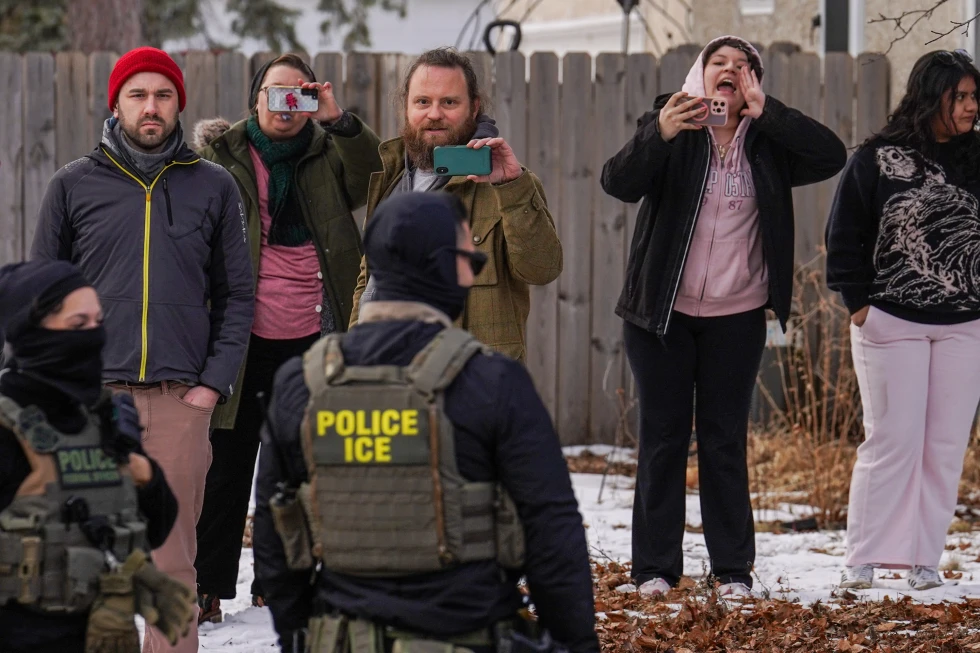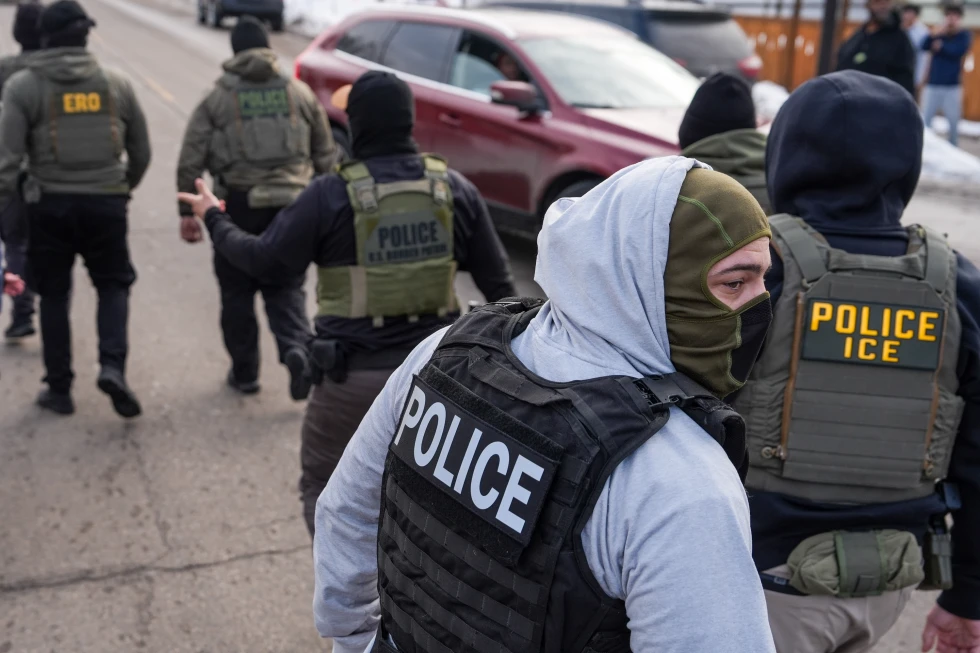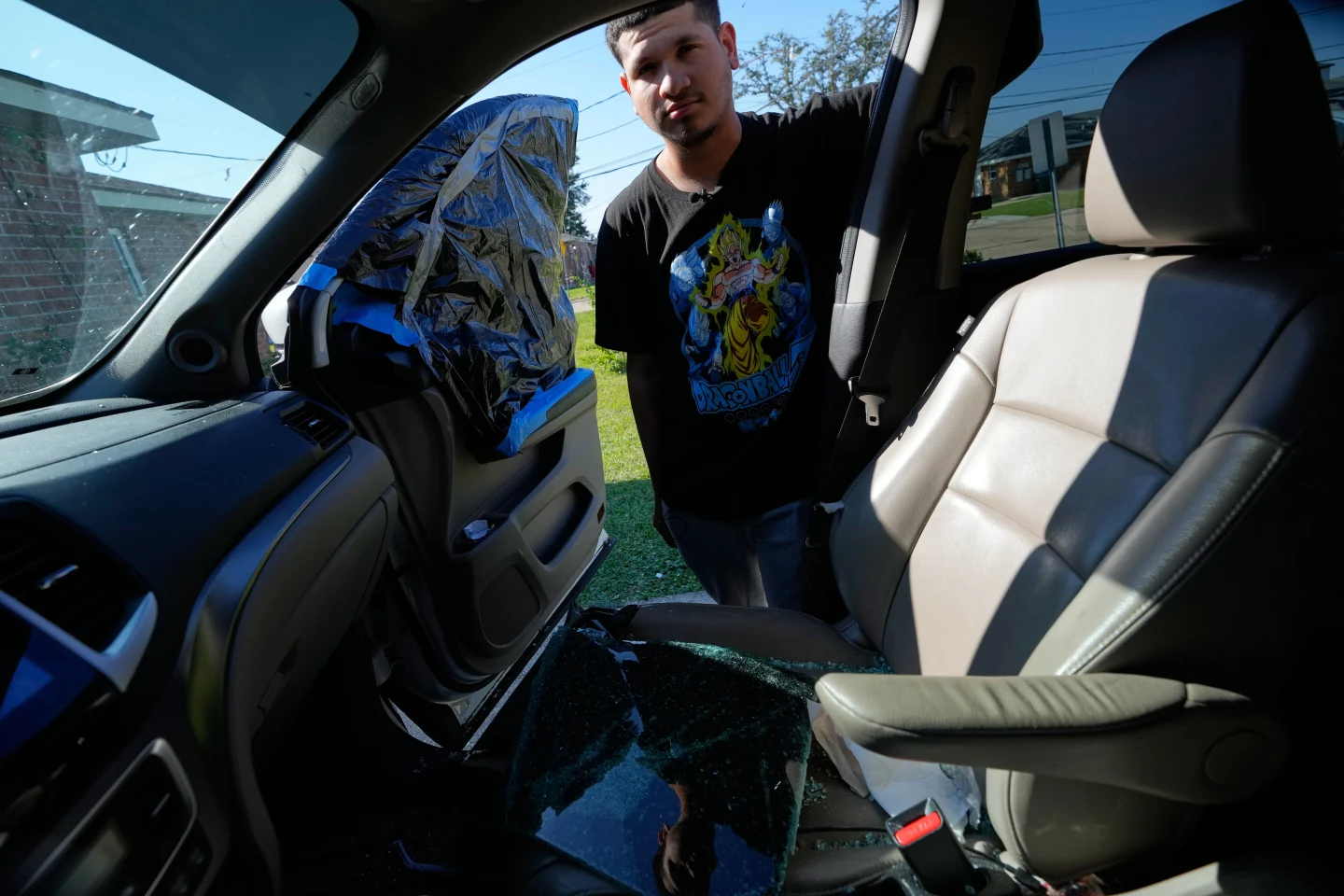
KENNER, La. — Vilma Cruz, a mother of two, was detained by federal agents just as she arrived at her newly leased home in Kenner, Louisiana. In a swift operation, agents surrounded her vehicle, breaking the passenger window to detain her, leaving her family to grapple with the consequences.
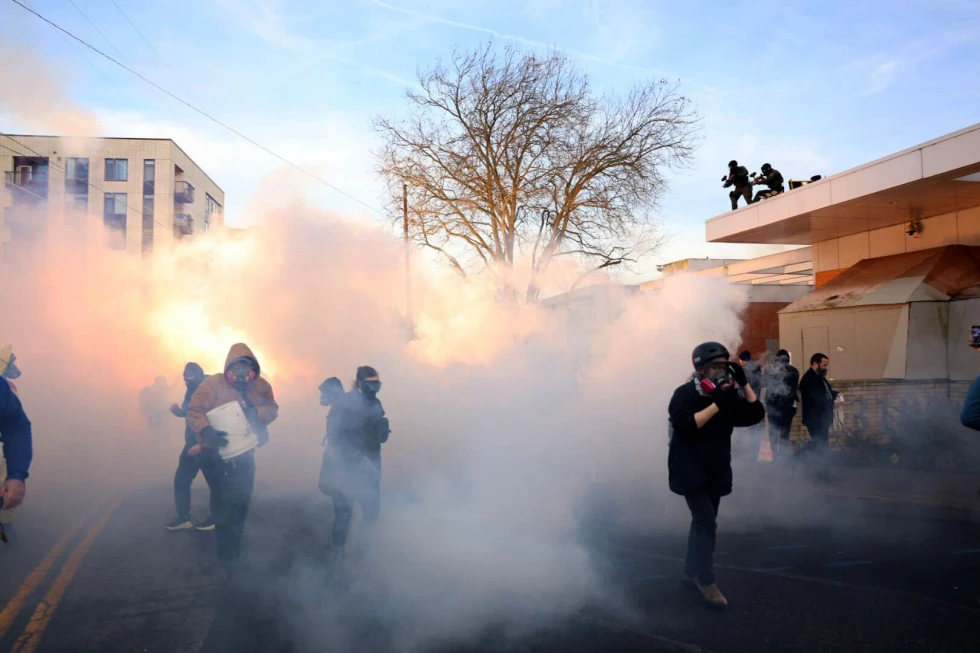
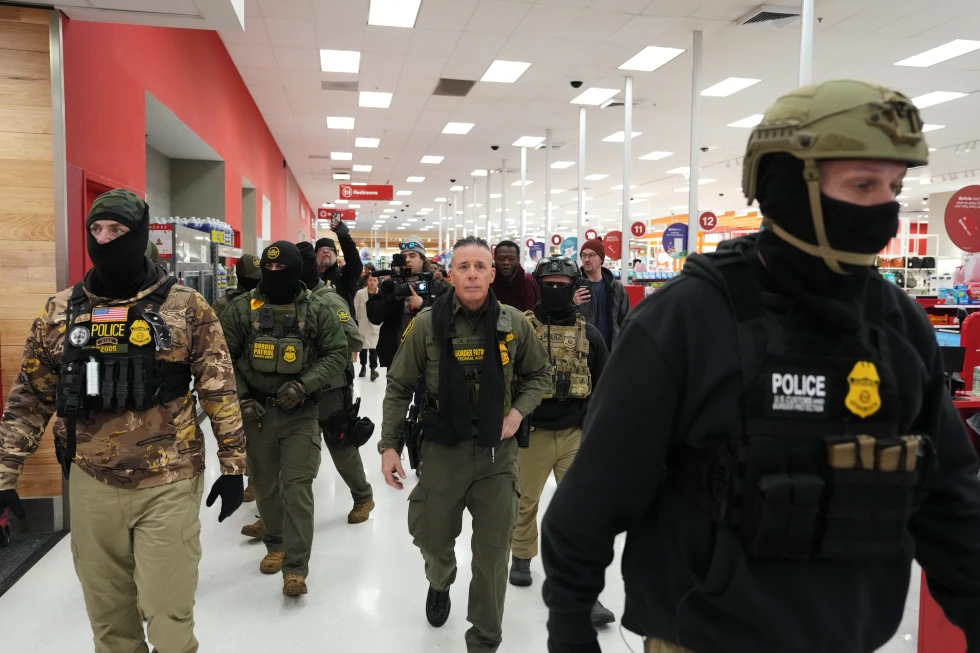
As part of a broader immigration crackdown nicknamed the “Catahoula Crunch,” over 250 arrests have occurred this month across southeast Louisiana. This initiative has particularly affected Hispanic communities like Kenner, where families have begun to set up emergency custody plans in anticipation of potential detentions.
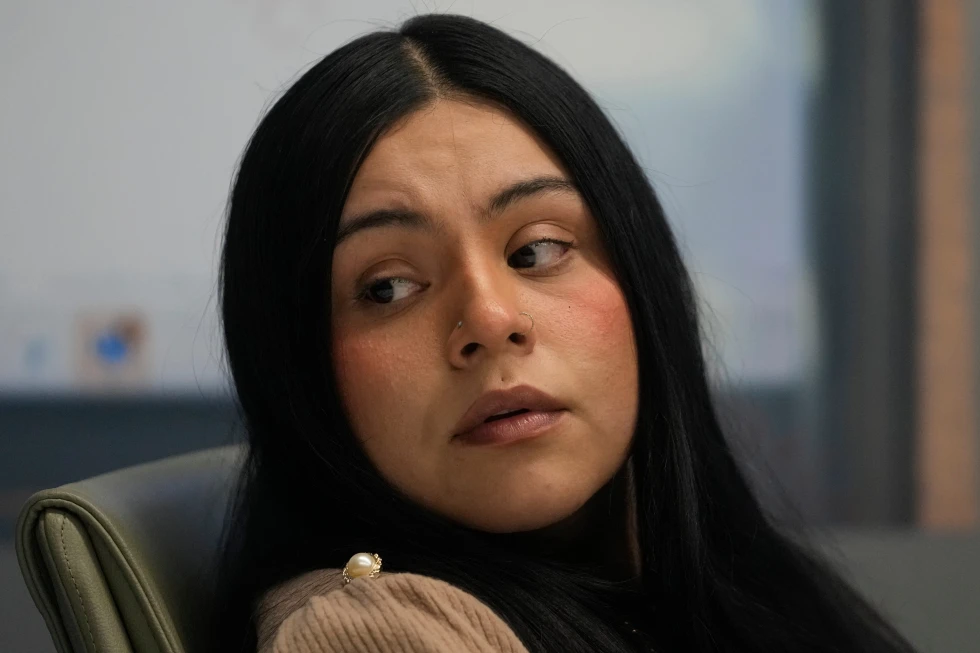
Escalante, Cruz’s son and a recent high school graduate, finds himself suddenly thrust into the role of caretaker for his 9-year-old sister, who has special needs. He is now faced with navigating the complexities of adulthood, from managing household bills to finding medical care for his sibling.
“I’m not ready for this,” Escalante expressed to reporters. “But if I have to take care of these responsibilities, I will. I pray my mom will come back.”
Community Response to Enforcement Actions
Authorities assert that the crackdown aims to target violent offenders, though records show that many arrested have no prior criminal history. Louisiana's Lt. Gov. Billy Nungesser criticized the enforcement for causing labor shortages as immigrants, even those authorized to work, stay home fearing detainment.
“There needs to be clarity on the plan,” Nungesser stated, emphasizing the need to protect families from being torn apart.
Many families have sought help from immigrant advocacy groups to make emergency custody arrangements. Raiza Pitre, a member of the Hispanic Chamber of Commerce, voiced the fears that children now attend school uncertain if their parents will return home.
Economic Concerns and Community Division
Leaders in Kenner, where a significant portion of residents are Hispanic, have expressed divided opinions on federal interventions. Police Chief Keith Conley welcomed the enforcement actions as a much-needed response to crime, while local residents like Kristi Rogers express concern for the well-being of innocent families caught in the crackdown.
"I want criminals dealt with, but I hope that’s all they’re targeting," Rogers commented.
As the crackdown continues, families are left in turmoil, trying to navigate life without the primary earners, as seen in the experience of Jose Reyes, a father detained after years living in the U.S. His daughter struggles to care for her younger siblings amidst a cloud of uncertainty.
“There’s no information shared with us,” she lamented. “We have no clue how to proceed.”
As Kenner faces these pressing challenges, it’s clear that the impacts of these immigration policies extend beyond individuals to the very fabric of families and the community at large.