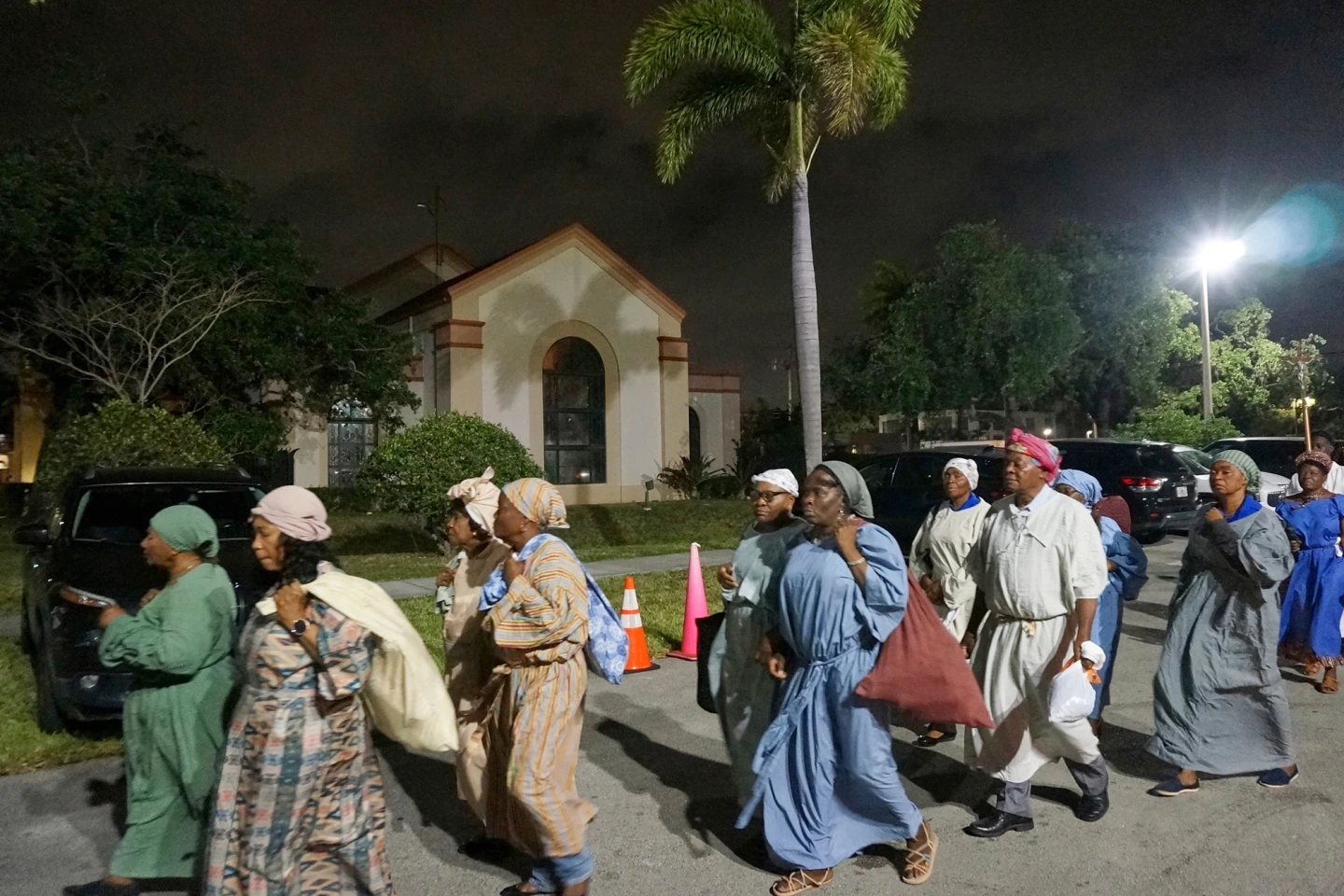
Faith leaders across the United States have stepped forward to support anxious immigrant communities, facing severe challenges under the policies of President Trump. As 2025 unfolds, fears grow that the situation will deteriorate further.
Emphasizing the harsh rhetoric and policy proposals from the Trump administration, many leaders express concern for Haitian, Afghan, and Somali communities. After accusations from Trump, Haitians fear a return to their gang-plagued homeland, while Afghan refugees grapple with the suspension of the U.S. refugee program and the negative public narrative surrounding them.
The Rev. Carl Ruby, a pastor in Springfield, Illinois, highlights the dire situation for over 15,000 Haitians living in the city under the Temporary Protected Status, which is set to expire soon. Together with community leader Viles Dorsainvil, Ruby took their concerns to Washington, only to face disappointing responses from lawmakers.
In Washington, Lutheran Social Services reported devastating cuts, laying off two-thirds of its staff, largely affecting its Afghan clients who previously aided the U.S. in its military efforts. With mounting public fear of Afghan immigrants following a tragic incident, the organization continues to strive to support its clients despite limited resources.
Simultaneously, Minnesota's Somali community is also taking proactive measures. Local imams have established a task force to unite faith and business leaders in addressing the fallout from increased immigration enforcement and the stigmatization faced by Somali immigrants.
Faith institutions are responding robustly, with U.S. Catholic bishops publicly condemning the dehumanizing language and mass deportations occurring in the current political climate. Their message echoes across various denominations, uniting leaders in compassion for immigrants.
The ongoing plight of immigrant communities demonstrates the crucial role that faith leaders play in advocacy and support, as they work to uphold dignity amidst adversity.
}