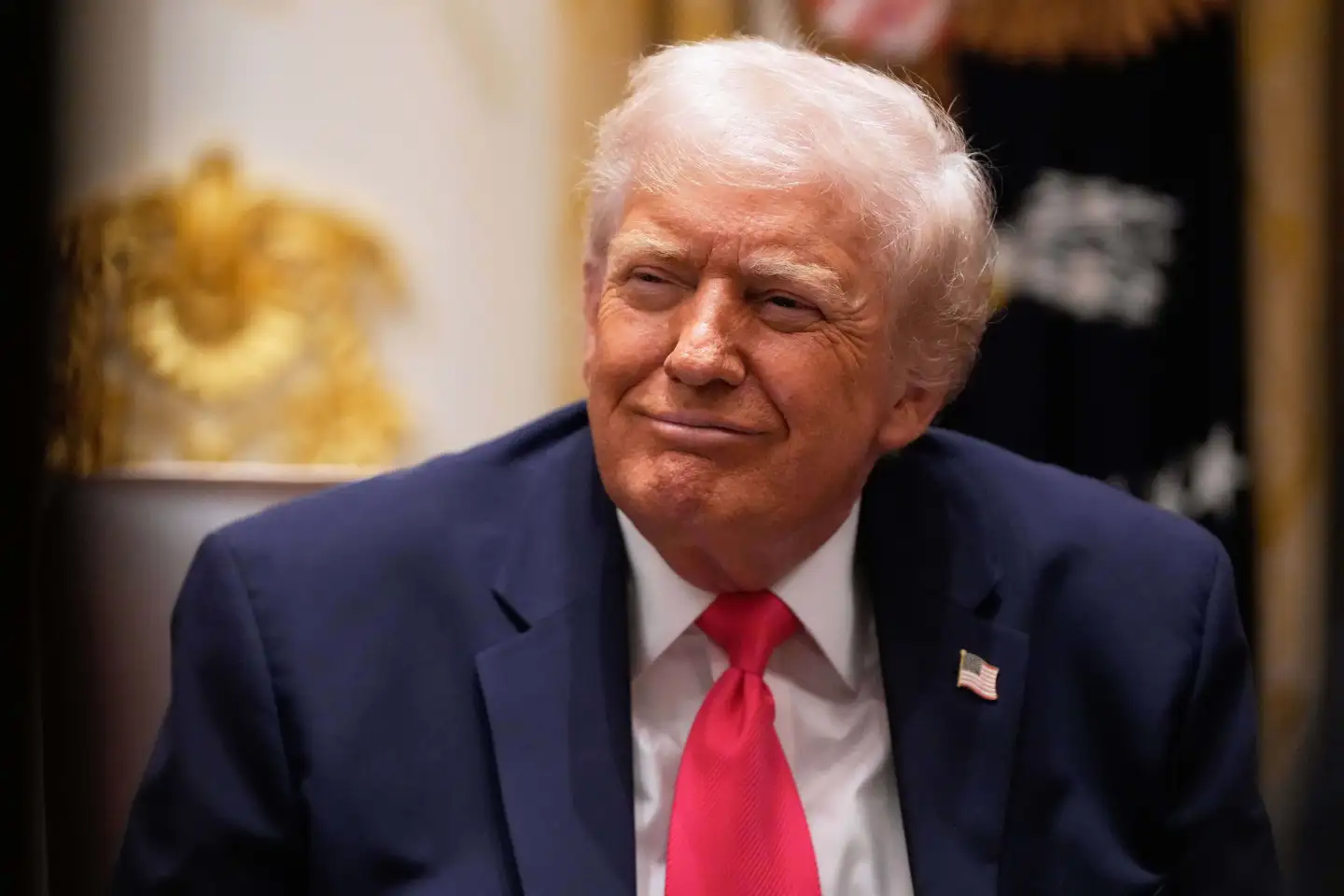
MINNEAPOLIS (AP) — Recent statements by President Donald Trump and top administration officials have focused renewed attention on Minnesota’s large Somali community. Trump’s negative remarks about this group have sparked conversations about their integration and contributions to the state.
According to the Census Bureau, there are approximately 260,000 people of Somali descent in the U.S., with about 84,000 residing in the Minneapolis-St. Paul area. Most are American citizens, and nearly 58% of the Somalis in Minnesota were born in the U.S.
Trump's administration has been investigating claims that taxpayer funds have been mismanaged within the Somali community, particularly in relation to the Feeding Our Future scandal. Despite investigations, prosecutorial evidence linking the alleged fraudsters to terrorist organizations remains scant.
Local leaders, including Governor Tim Walz and Minneapolis Mayor Jacob Frey, have defended the Somali community against blanket accusations of wrongdoing. Community advocates stress that while some individuals are accused of fraud, that should not reflect on the whole group.
The Somali community has also made significant strides in politics, evidenced by the election of representatives like Democratic U.S. Rep. Ilhan Omar, who remains a vocal figure amid these controversies.
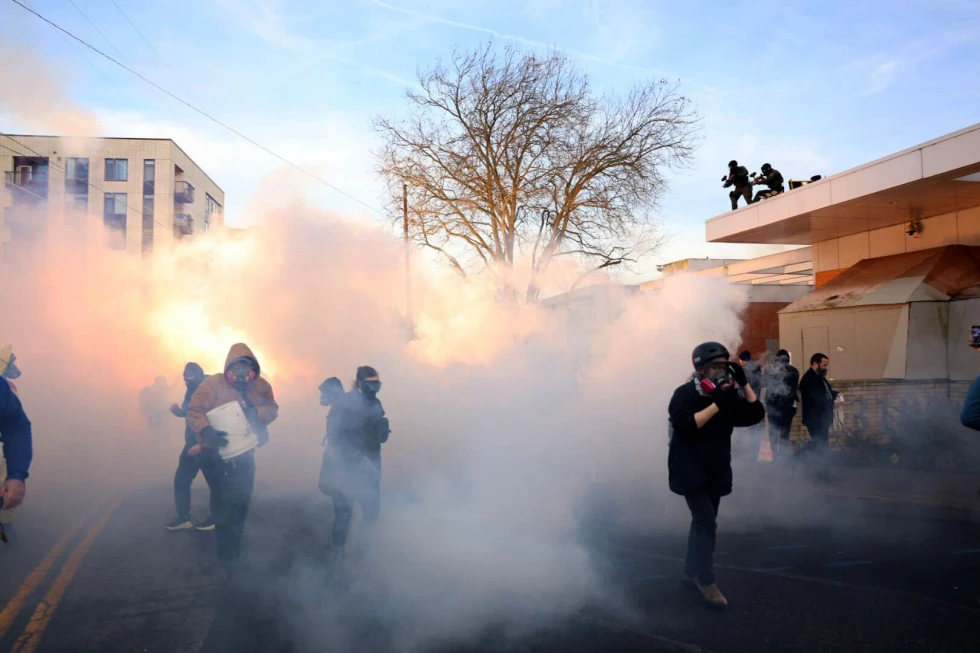
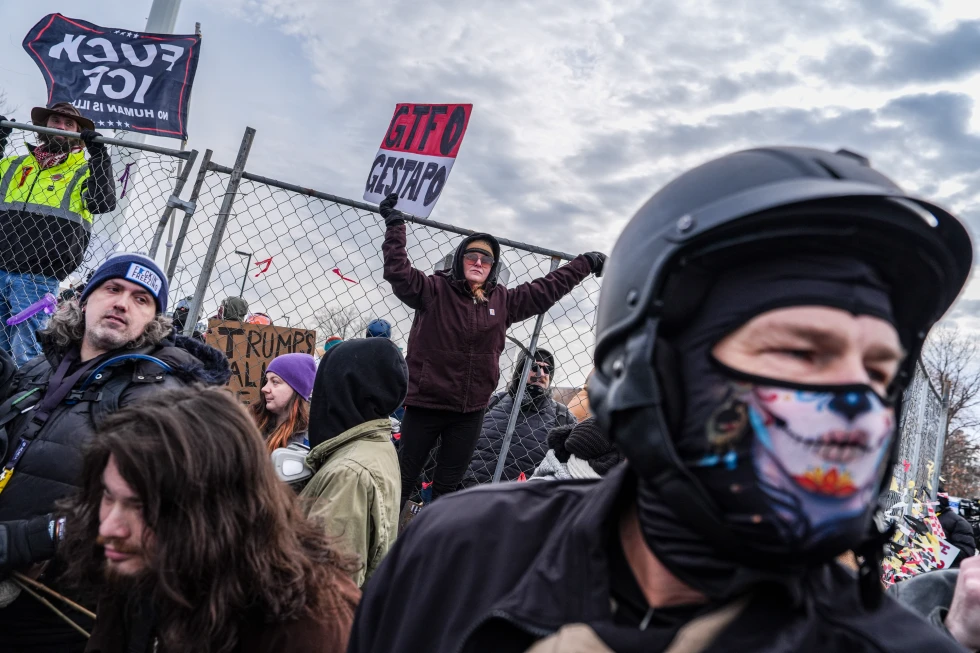
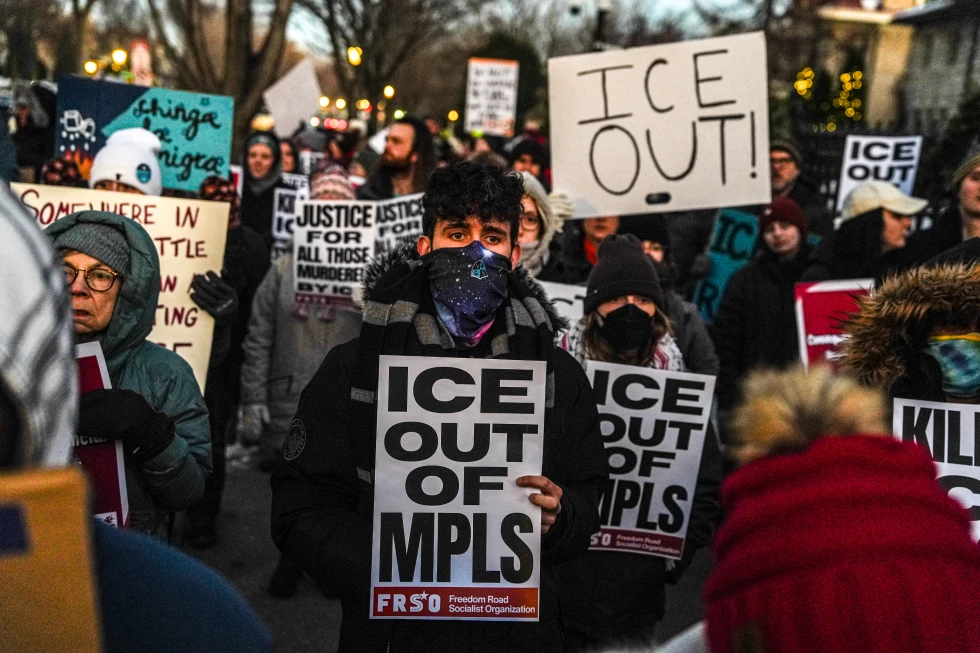
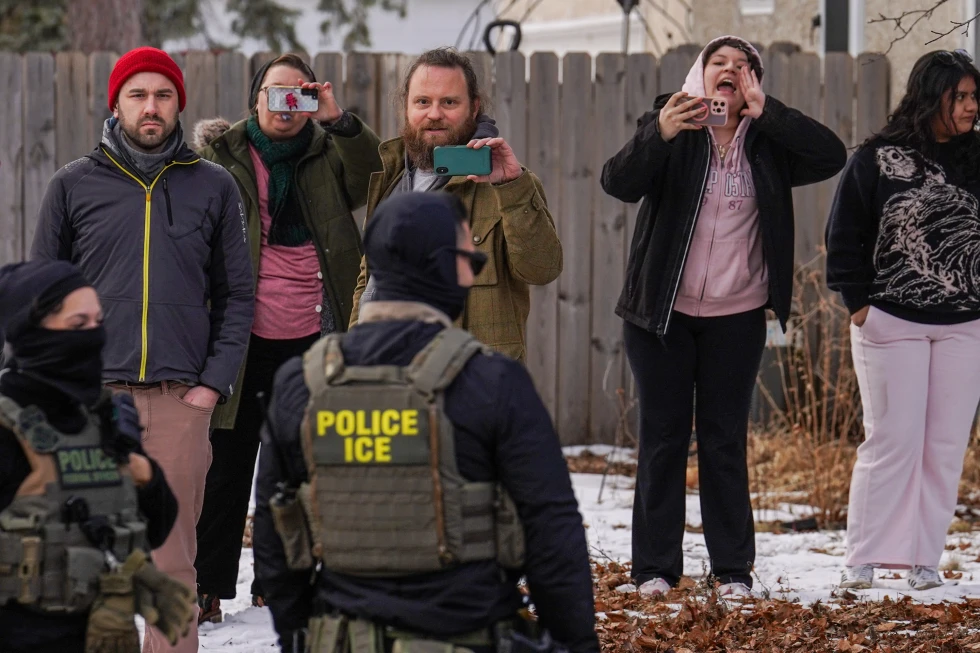
As potential immigration enforcement actions loom, the debate around the Somali community's place in Minnesota continues to unfold, raising questions about representation, integration, and the resilience of immigrant communities in the face of political adversity.