WASHINGTON (AP) — The Food and Drug Administration (FDA) is set to convene this summer to explore the possibility of easing restrictions on several peptide injections, which have surged in popularity among wellness influencers and fitness enthusiasts.
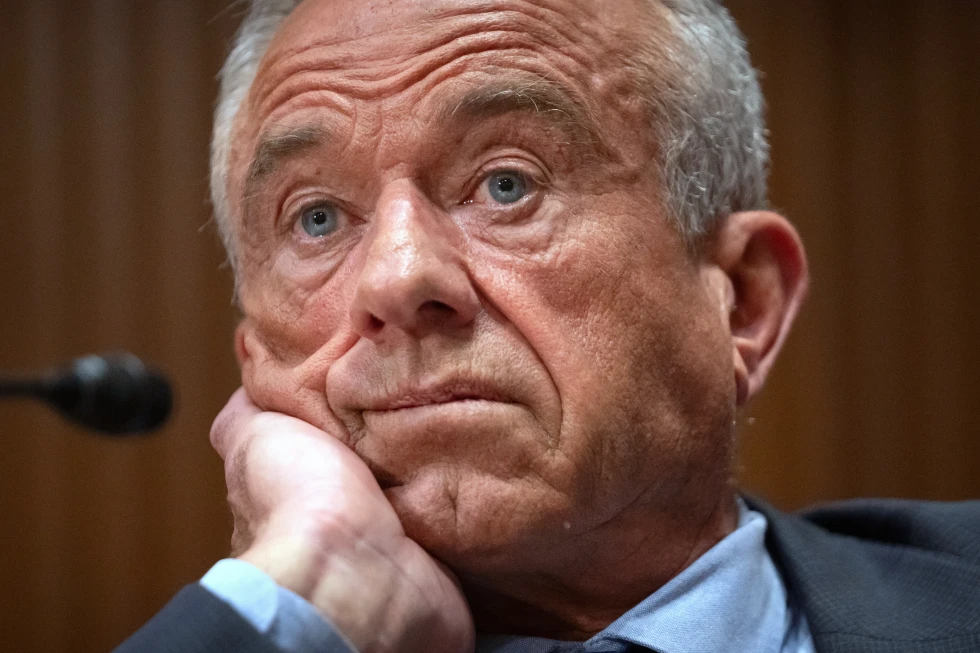
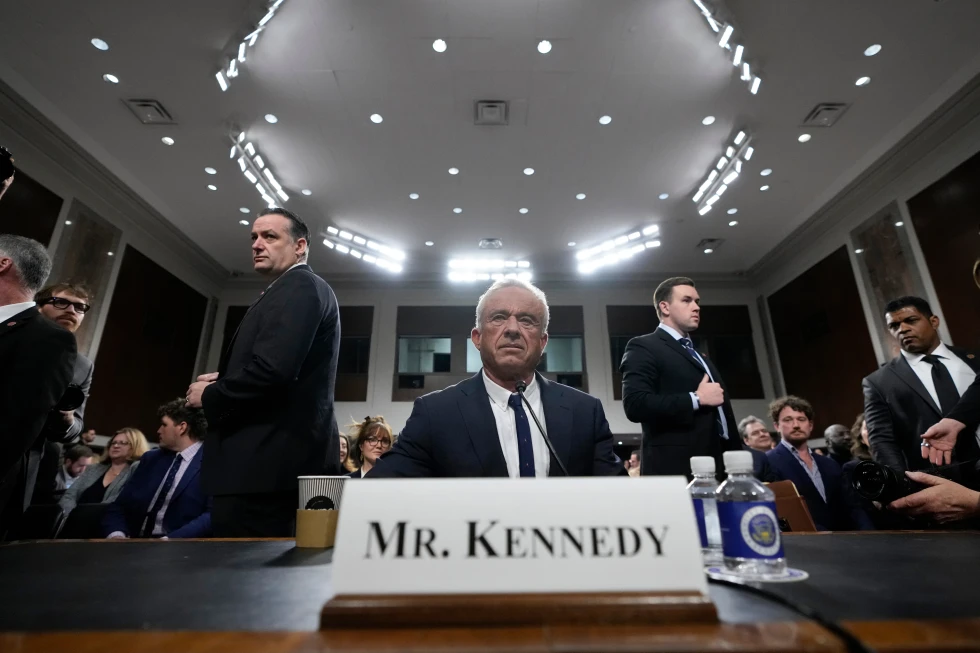
This announcement, made on Wednesday, follows persistent calls from Health Secretary Robert F. Kennedy Jr. to relax regulations surrounding these peptides, often sold as miracle solutions for muscle building, injury healing, and youthful appearance. However, scientific research backing these claims remains sparse, as most of the peptides have yet to undergo FDA safety review.
Kennedy himself has claimed personal benefits from peptides for recovering from injuries and has affiliated his health campaign with supporters advocating for these substances. This reach extends to prominent figures like Gary Brecka, who offers peptide products online.
The FDA indicated in a federal notice that an advisory panel will evaluate seven types of peptides in July, specifically deliberating whether they should be relocated from a category designated for high-risk, bespoke drugs.
Included among these are peptides like BPC-157, infamously marketed for its supposed healing properties and inflammation reduction. Notably, under President Joe Biden's administration, the FDA had previously disallowed the production of certain popular peptides by compounding pharmacies—those creating drugs not available from conventional manufacturers—whom the FDA deemed to present notable safety risks.
Kennedy has previously criticized this classification while highlighting the many health professionals and clinics that advocate for peptide use, citing various medical advantages such as potential treatments for conditions like ulcerative colitis.
The increase in public interest in peptides has coincided with the success of GLP-1 medications for obesity and diabetes, which the FDA has approved. Yet, many of the promoted peptide substances have never received such approval and thus remain illegal to market as drugs.
Concerns arise from the fact that certain peptides, such as BPC-157 and TB-500, are classified by international sporting bodies as doping agents, complicating their widespread, unregulated use in the wellness industry.
Despite this backdrop, wellness clinics actively promote high-priced peptide injections and even package these substances into dietary supplements, further blurring the lines between legal and illegal markets.
In consequence, Kennedy and industry representatives have raised alarms regarding the unintended ramifications of strict FDA regulations that may be driving customers toward unverified sources, consequently undermining product quality within the market.