WASHINGTON (AP) — In a sweeping move to dismantle regulations aimed at combating climate change, the Trump administration on Thursday announced the revocation of a crucial scientific finding that has underpinned U.S. efforts to regulate greenhouse gas emissions.
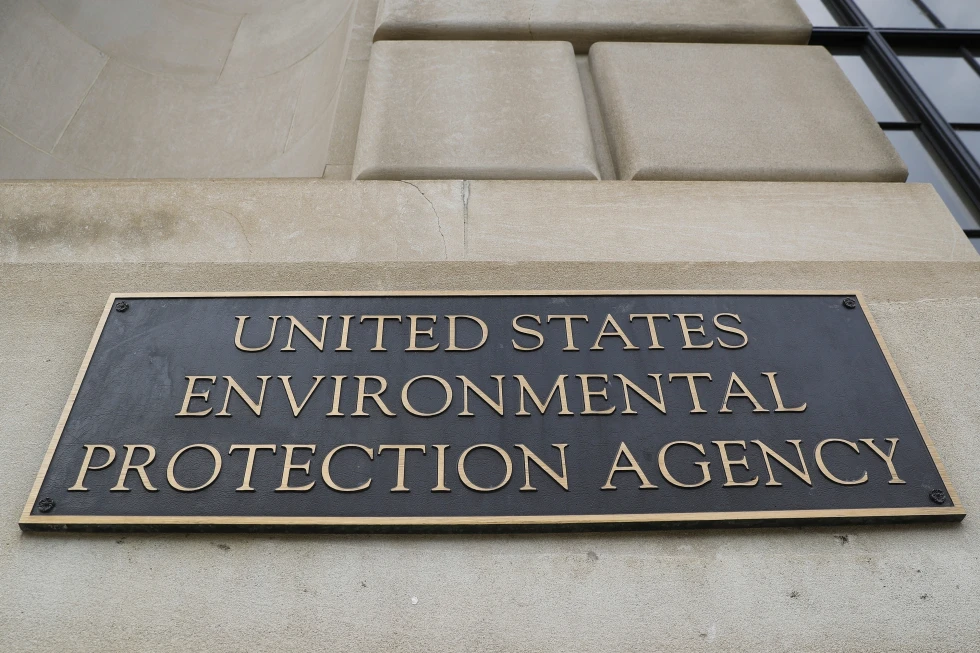
The Environmental Protection Agency (EPA) finalized the repeal of a 2009 declaration known as the endangerment finding, which determined that greenhouse gases pose risks to public health and welfare. This regulatory rollback is perceived as a significant step backwards for U.S. environmental policy.
Lee Zeldin, the EPA Administrator, stated that the repeal will be the largest deregulation in U.S. history and has shifted the agency towards a business-friendly approach. Critics and environmental groups have characterized the move as the most egregious attack on federal authority to address climate change in the nation’s history.
The endangerment finding was the legal basis for a multitude of climate regulations embedded within the Clean Air Act, impacting motor vehicles and other pollution sources. Experts warn that overturning this finding could lead to the undoing of significant climate protections and unleash legal challenges from environmental advocates who argue such actions are essential to protect public health.
Environmental advocates argue that this decision will wreak havoc on existing climate regulations. Ann Carlson, a professor of environmental law, stated the revocation is more damaging than previous rollbacks initiated by the Trump administration.
As the Biden administration attempts to implement restrictive policies on greenhouse gas emissions, Zeldin indicated that the EPA would consider a two-year delay on Biden-era restrictions for light-duty vehicles. This approach is framed by the EPA as a means to foster more consumer choice and facilitate automakers’ decisions regarding vehicle production.
While proponents of the repeal argue it will lead to increased economic productivity and consumer benefits, opponents claim it will prolong the existence of polluting vehicles and worsen health outcomes for vulnerable populations. Gina McCarthy, a former EPA administrator, criticized the administration’s focus on deregulation rather than protecting the environment and public health.
The Supreme Court previously upheld the endangerment finding in a landmark case, defending the regulatory framework upon which many climate protections rely. Critics fear that the recent decisions may dismantle critical protections aimed at addressing the increasingly severe impacts of climate change, such as deadly floods, wildfires, and rising temperatures affecting communities across the U.S. and globally.