On the eve of Hungary's bitterly fought and highly significant election, the two main rivals are taking their campaigns to the wire, as Péter Magyar attempts to end 16 years of continuous rule by Viktor Orbán's party Fidesz.
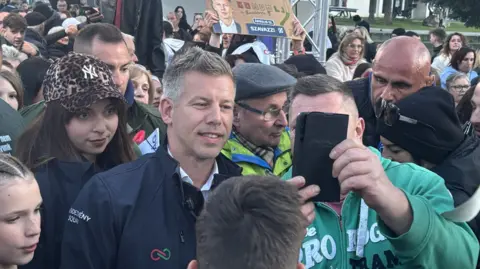
We're at the gates of a two-thirds majority victory, he told cheering supporters, before mingling for selfies. Let's gear up and push for the last 100 metres! His final campaign stop will be in the second city, Debrecen, in the north-east, while Orbán, who trails in most of the polls, will address a rally in Budapest.
But perhaps the biggest rally of all came on Friday night, when tens of thousands of Hungarians crammed the capital's Heroes' Square and surrounding streets for an anti-Fidesz concert. I feel it in my bones something's going to change, said first-time voter Fanni, who came with her mother from a village two hours' drive away in the south. I don't believe I'd vote for [Magyar] in an ideal situation, but this is our only chance.
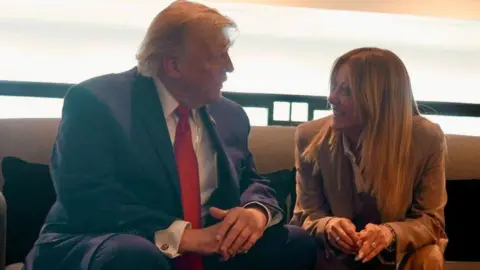
Orbán's biggest threat is that he is facing a cross-section of public anger, and it has been largely channeled into one single opposition movement, led by a former Fidesz insider who rebelled. The Fidesz leader has been buoyed, first by a two-day campaign visit from US Vice-President JD Vance, and then late on Friday by President Donald Trump's pledge to use the full Economic Might of the United States to strengthen Hungary's Economy if Orbán won the election.
Political analyst Zsuzsanna Végh of the German Marshall Fund of the US says there has been a clear shift away from Orbán among younger voters aged 18-29, with opinion polls giving Fidesz less than 10% of the younger vote. If Magyar were to achieve a majority in parliament it would mean the end of Orbán's rule and many of his policies, but without winning two-thirds of seats, he will struggle to scrap much of the Fidesz-supporting infrastructure in the judiciary and elsewhere.
With political discontent brewing and a vibrant opposition making strides, the upcoming election in Hungary could herald a new political era.