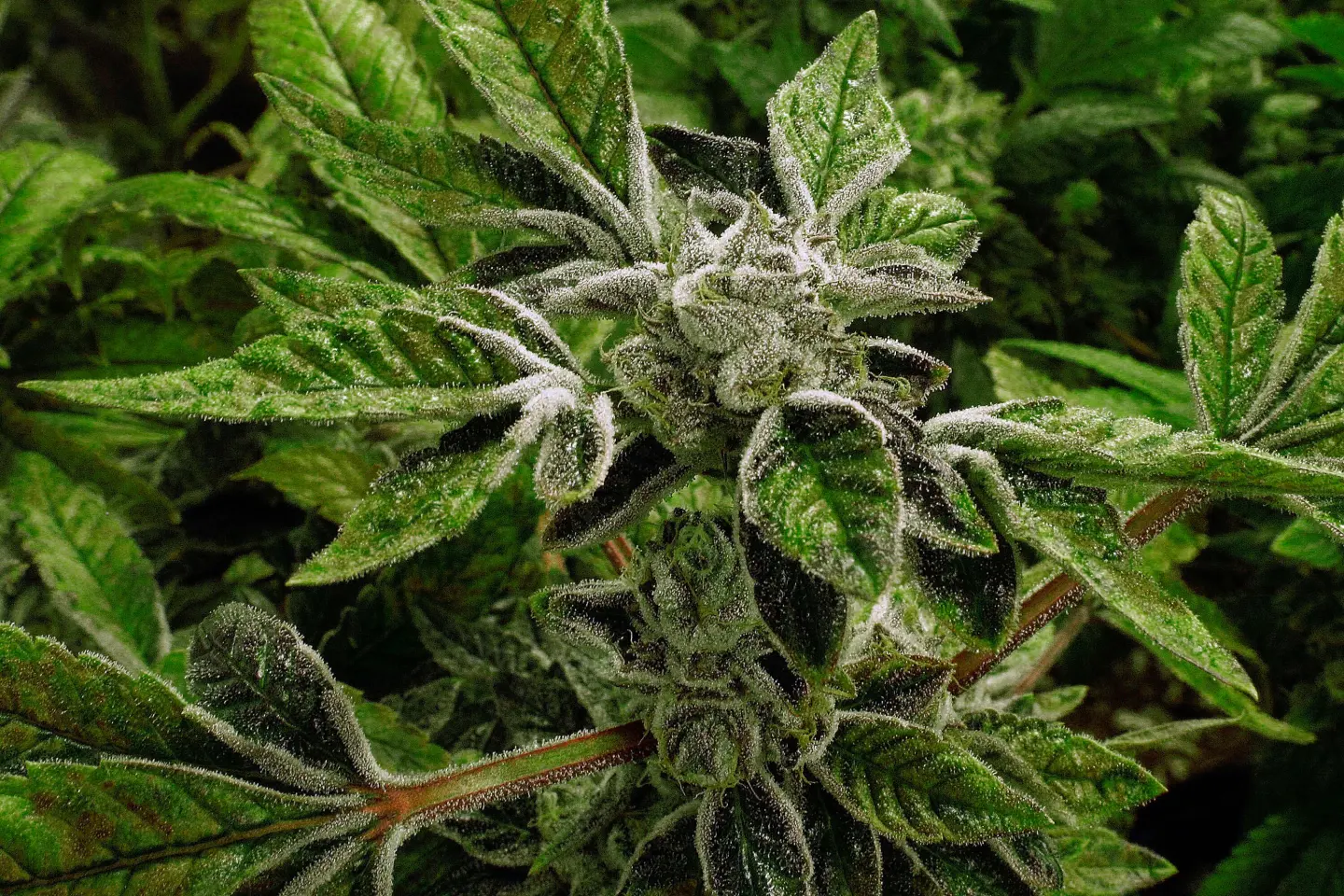
In a groundbreaking decision, President Donald Trump's acting attorney general signed an order on Thursday that reclassifies state-licensed medical marijuana, now placing it in a less restrictive drug category. The new classification moves cannabis from Schedule I to Schedule III, thereby recognizing its medical value and reducing bureaucratic hurdles for research and taxation purposes.
Though this change does not legalize marijuana for recreational use, it notably eases regulatory barriers for licensed medical marijuana operators who now qualify for tax deductions and streamlined registration processes with the U.S. Drug Enforcement Administration (DEA).
Acting Attorney General Todd Blanche remarked that the Department of Justice is committed to expanding access to medical treatments, stating, “This rescheduling action provides critical opportunities for research on the safety and efficacy of cannabis, benefiting both patients and healthcare providers.”
California was the first state to adopt a medical marijuana program back in 1996, and since then, 39 additional states have followed suit, establishing a market that supports a large population of patients. The recent order aims to align federal regulations more closely with state laws that support cannabis use.
Critics of marijuana legalization argue that the potency of cannabis products has increased dramatically, calling for more thorough research rather than merely easing restrictions. In response, the administration is also initiating a process for broader reassessment of marijuana's federal classification.
In a political landscape increasingly divided over drug policy, the Trump administration's order marks an essential pivot. With many states legalizing recreational use, only Kansas and Idaho maintain an outright ban on marijuana. The shift in policy reflects a growing acceptance of cannabis, utilized by countless patients for various medical conditions, and emphasizes the need for tailored legislative approaches that protect public health while ensuring responsible access to medical marijuana.