In brief
After a death sentence in absentia for treason, former Congolese president Joseph Kabila has stepped into the role of chief commander for the Front for the Refoundation of the Nation, a coalition seen as a new firebrand challenge to President Félix Tshisekedi’s rule. The group, formed in Goma, vows to coordinate resistance forces and end “tyranny” by any means, including armed force. M23’s Sultani Makenga will serve as one of Kabila’s deputies, signalling a close alignment with the long‑active eastern rebel bloc. While the DRC government has not yet responded, the rise of the FRN adds another layer of instability to a nation already home to over a hundred militias fighting over resources and power. The move underscores growing frustration within opposition circles and the potential for renewed conflict ahead of the 2028 elections.
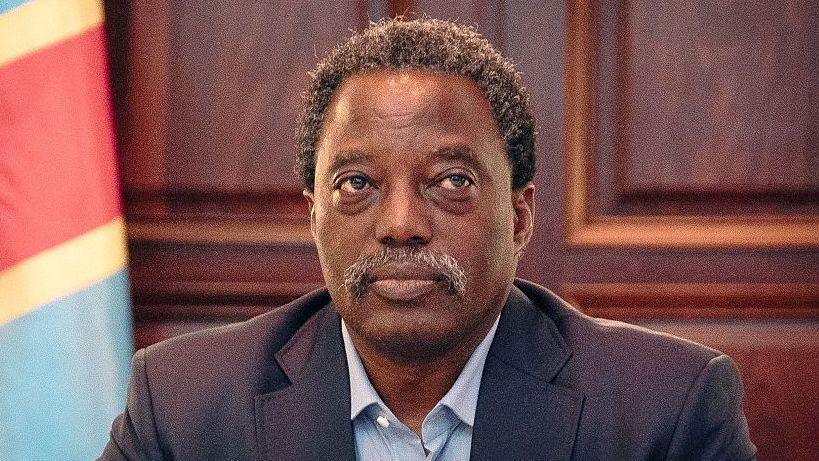
In a dramatic turn of events, former Democratic Republic of Congo president Joseph Kabila has assumed leadership of the newly unveiled Front for the Refoundation of the Nation (FRN). The coalition, declared at a press conference in the eastern city of Goma, is positioned to coordinate “resistance forces” aimed at tearing down what it calls a regime of tyranny.
Kabila’s involvement was first hinted at last year when he delivered a televised speech demanding a “rescue” of the country and accusing President Félix Tshisekedi’s government of ignoring his proposals. Now, a video released by the FRN shows Kabila signing founding documents with other leaders, signalling a direct move from political advocacy to armed struggle.
The move is set against a backdrop of long‑standing conflict in the eastern provinces, home to more than a hundred militias vying for control of mineral-rich lands. The FRN’s leadership includes Sultani Makenga, the commander of the M23 rebel group, suggesting an alliance with one of the most dangerous factions in the area.
Kabila, who ruled the country from 2001 until his ousting in 2019, was sentenced to death in absentia a year ago on charges of treason. He had previously denied any ties to the M23, but the new coalition now firmly places him in the militia’s orbit.
The Congolese government has not issued a statement on the FRN’s formation. Analysts warn that the addition of another armed bloc could spell further destabilisation in a region already beleaguered by violence and political turmoil.
Kabila’s return to public life, after years of self‑imposed exile, has sharpened dissent against Tshisekedi’s administration. The president faces accusations of mismanaging the economy and undermining constitutional rule, while protests erupt in Kinshasa over the possibility of a third presidential term.
With the FRN’s declaration, observers note that the DRC’s political catharsis may now move from parliamentary debate to battlefield. The international community watches closely as the new coalition’s stated commitment “by all means, including force” could reignite large‑scale conflict across eastern Congo.