In brief
France is on high alert as another wave of nationwide protests is set for Saturday, a week after the chaotic riots of 17 October. The interior ministry will deploy 70,000 officers, while cities have imposed curfews and closed museums to prevent violence. Despite bans, student unions, trade‑unions and the revived Gilets Jaunes continue to mobilise, calling for Macron’s resignation and demanding political reforms. The unrest comes at a critical juncture for France’s upcoming presidential election, where the centrist Macron faces a reshaped political landscape.
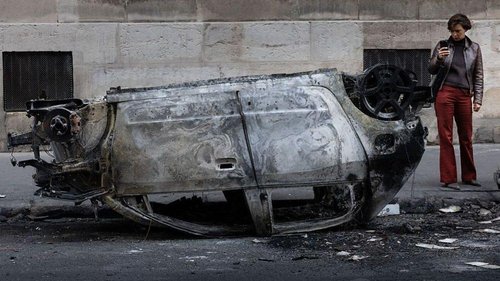
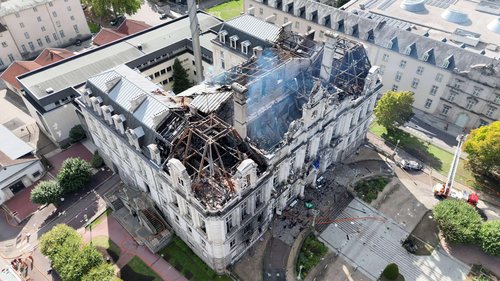
The French government has mobilised a vast police force to confront a new round of protests that are expected to take place this Saturday, a week after the violent riots that broke out across the country on 17 October.
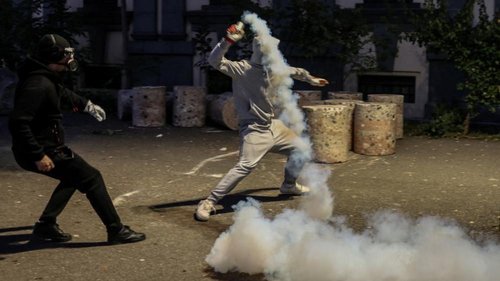
Interior Minister Laurent Nuñez announced that 70,000 officers would be deployed nationwide. He vowed to “not let anything go unchallenged” and promised a “no‑tolerance” stance against vandals, looters and extremists who had called for violence on social media. Thousands of protesters, organised by student unions, trade‑unions and the revived Gilets‑Jaunes movement, are still expected to fill the streets of Paris, Lyon, Nice and many other cities.
While the government has permitted demonstrations only if organised by recognised trade‑unions, several municipalities, including Lyon, Nice and Montpellier, have placed blanket bans on all gatherings. In contrast, the mayor of Marseille lifted a curfew to allow a union‑organised march to proceed.
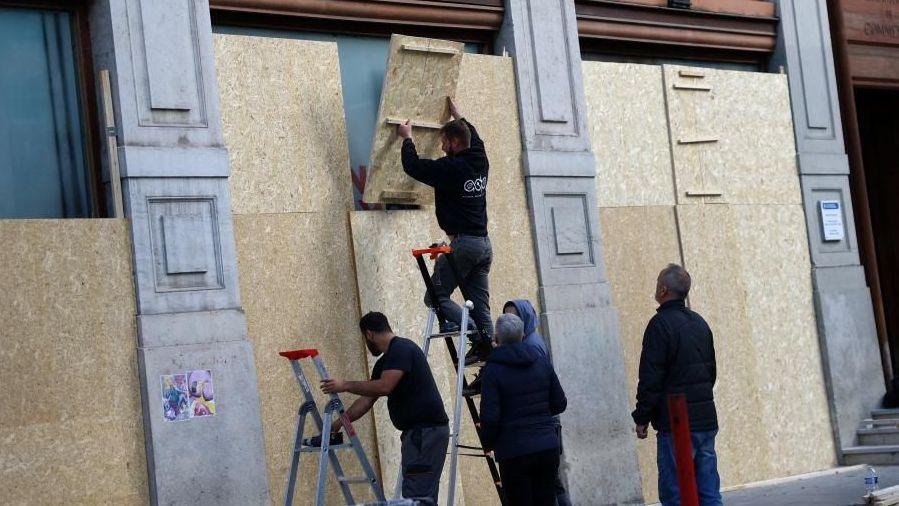
In the capital, a student‑union march has been routed around the city centre, but security forces are on standby as police stations prepare for potential clashes. The Louvre, Orsay and Picasso museums will close for Saturday, and a Paris Saint‑Germain football match has been moved to Monday. Many businesses have boarded up their windows after the last week’s looting.
The protests are set against the backdrop of looming presidential elections, as public discontent over rising living costs and looming budget deficits has fueled a polarised political climate. Key opposition leaders—Marine Le Pen of the National Rally and Jean‑Luc Mélenchon of La France Insoumise—have both criticised the Ministry of Interior’s hardline response and urged their supporters to continue striking.
Last Monday, Justice Minister Gérald Darmanin reported that 232 individuals had been imprisoned in connection with the 17 October riots, with more than 1,100 facing charges. Among the most serious are allegations of organised gang activity and attacks on police. The administration is prosecuting violators and threatening them with sanctions that include bans on future demonstrations and removal of civic rights.
As France stands on the cusp of a potentially transformative election, the political stakes are high. The current wave of protests underscores the growing frustration that many citizens feel toward a government seen as distant and unresponsive to their economic struggles. Whether the demonstrations will calm or inflame tensions remains to be seen, but the country is undoubtedly under a heightened state of vigilance.