French Student Protests Shock the Macron Government
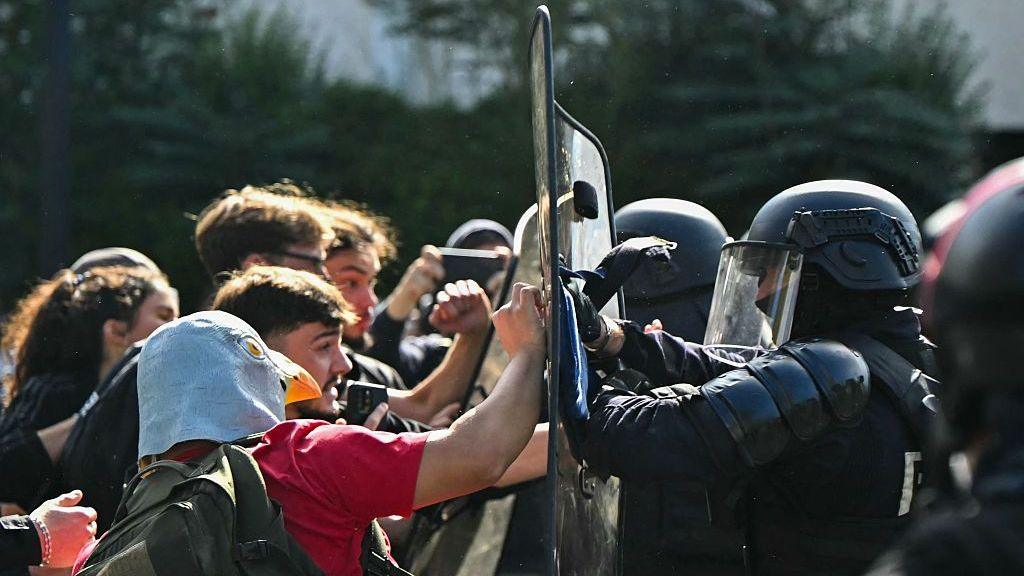
Students across France are staging blockades outside schools, demanding smaller classes, more teachers and safer classrooms during the summer heatwave. The unrest began near Paris and now covers hundreds of lycées and some universities.
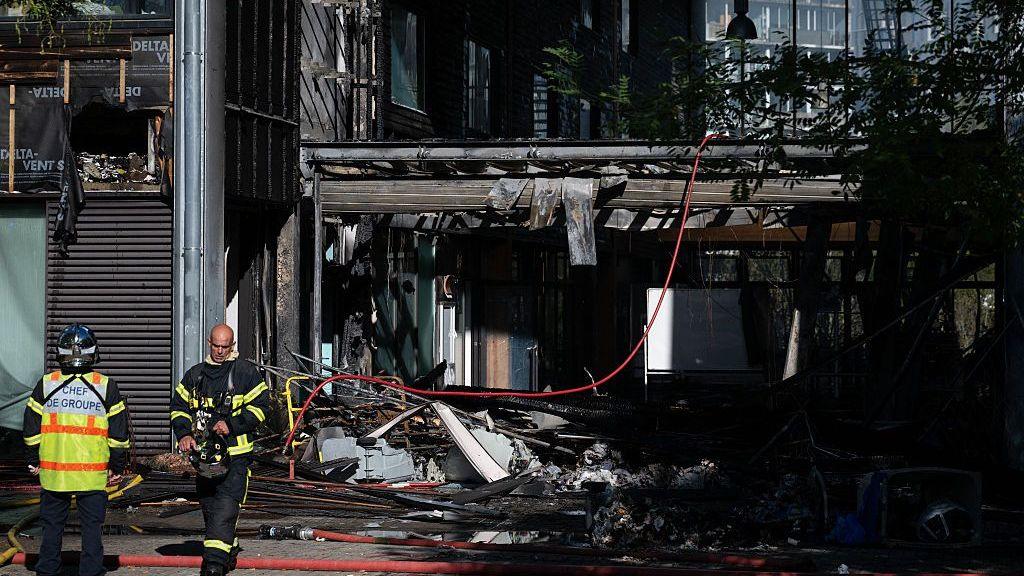
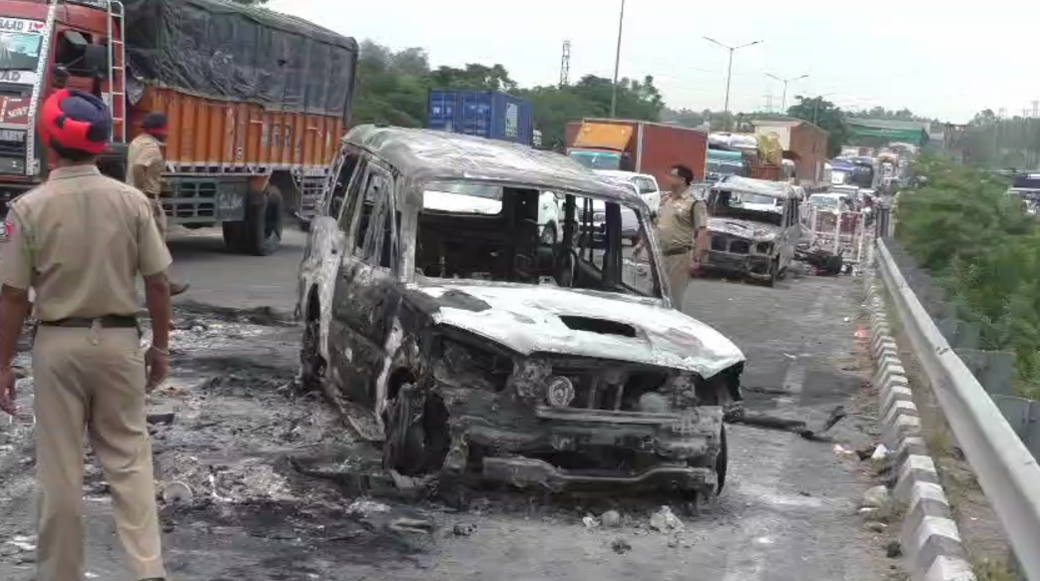
In the peak of the movement, authorities forced over 400 schools to close to protect staff and pupils. A high school in Nantes was damaged in a fire set during a protest. Education Minister Édouard Geffray said 65 teachers, including 40 heads of schools, have been injured.
Policymakers fear the protests echo the chaotic 1968 uprisings. The fragmented nature of youth movements makes negotiation difficult and the risk of wider unrest high. The narrow window before the May presidential election magnifies the stakes.
Accusations swirl that the left‑wing France Unbowed party, led by Jean‑Luc Mélenchon, is steering the demonstrations. Internal police reports suggest students are being encouraged by far‑left unions and political groups, a claim the LFI denies, stressing it merely supports legitimate student rights.
Prime Minister Sébastien Lecornu’s draft budget promises €54 bn in cuts, jeopardising further investment in education and public services. Critics argue that the austerity tone could deepen the grievances that fuel the protests.
With France on the brink of electoral change, the government faces a dilemma: address tangible educational needs while curbing violence that could be exploited by political opponents.
Amid police injuries and student arrests, both sides worry that the current crisis could reshape France’s political landscape, especially in suburbs where Mélenchon enjoys strong support among young voters.