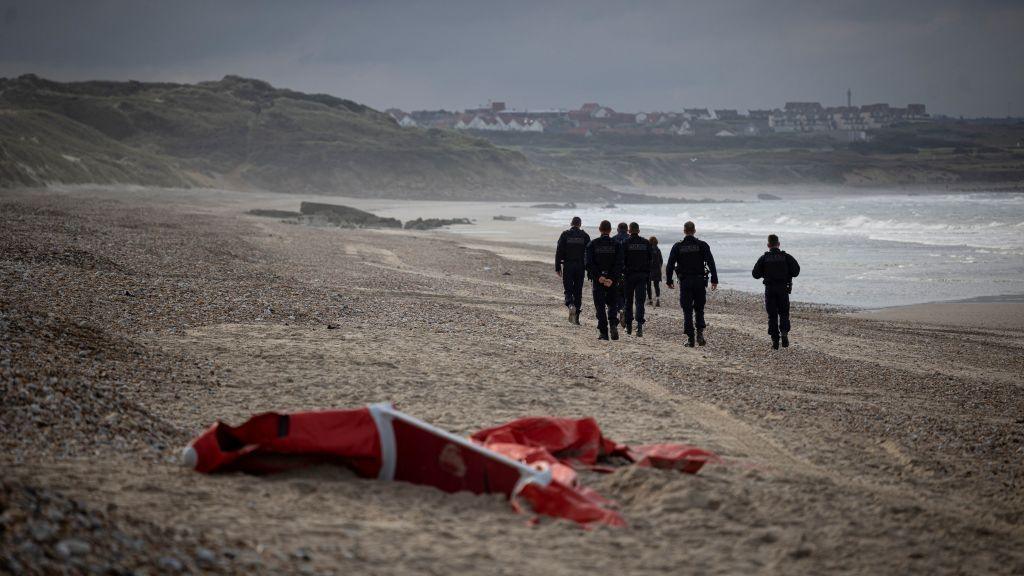
Six traffickers sentenced for 31 migrant deaths in Channel boat tragedy
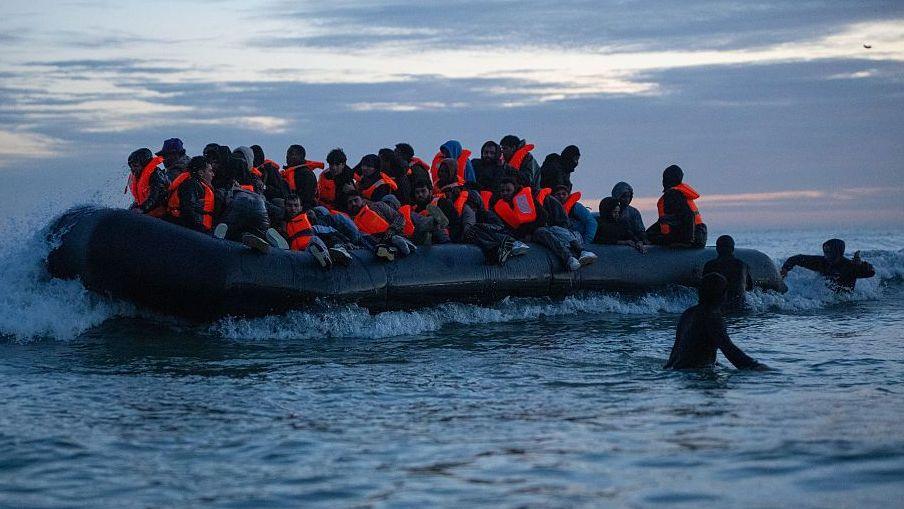
In a landmark ruling, a Paris court has sentenced six men to between six and ten years in prison for involuntary homicide in the worst small‑boat disaster on the English Channel. The incident in November 2021 saw 31 migrants, mostly Iraqi Kurds with a few Afghans, Egyptians and Iranian Kurds, drown when an overloaded, uncertified dinghy broke apart.
The defendants operated under separate networks – one linked to an Iraqi Kurdish syndicate and the other to Afghan traffickers. Police investigations traced their movements from the French coast, through Turkey and Italy, to the “jungle” camp outside Calais. Phone‑tracking data implicated the networks in sheltering the victims and coordinating the perilous voyage.
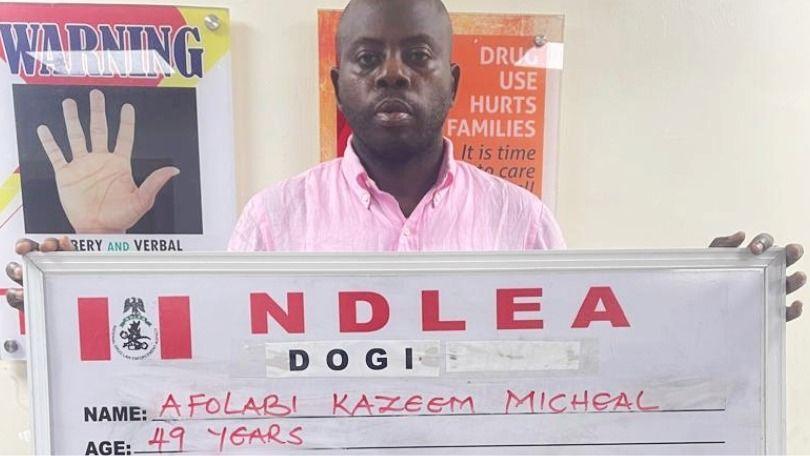
Six of the men received the heaviest sentences: one was given ten years, the longest for an Afghan network leader tried in his absence; others received six to eight years. Seven associates were sentenced to a maximum of four years for lesser roles, while one participant was acquitted. The court also issued arrest warrants for six former defendants who had been free at the time of verdict.
Lawyer Matthieu Chirez welcomed the decision, noting that it “humanises the families of the victims” and confirms the traffickers’ criminal responsibility.
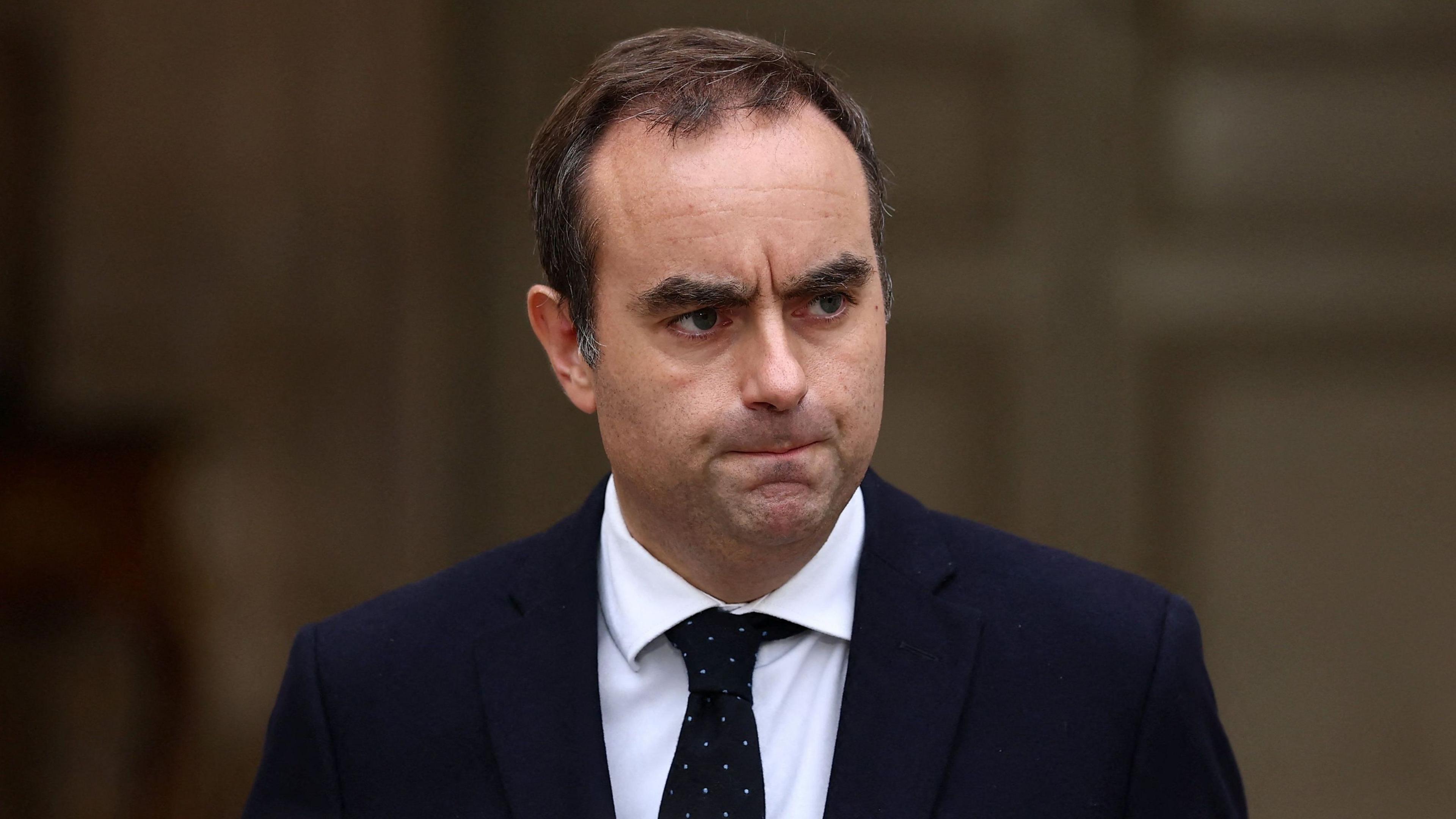
The tragedy also implicated seven members of the French armed forces, who allegedly ignored distress calls that night. A separate investigation is examining whether they should be tried for dereliction of duty.
These events come as France and the UK are ending the one‑in‑one‑out migration scheme, after the scheme proved ineffective in disrupting the smuggling business model. The verdict marks a decisive step in holding traffickers accountable and protecting future migrants.
Victim testimony was profoundly moving, with family members from Iraqi Kurdistan recounting how their loved ones sought a better life in England, leaving behind the dangers of their homeland.
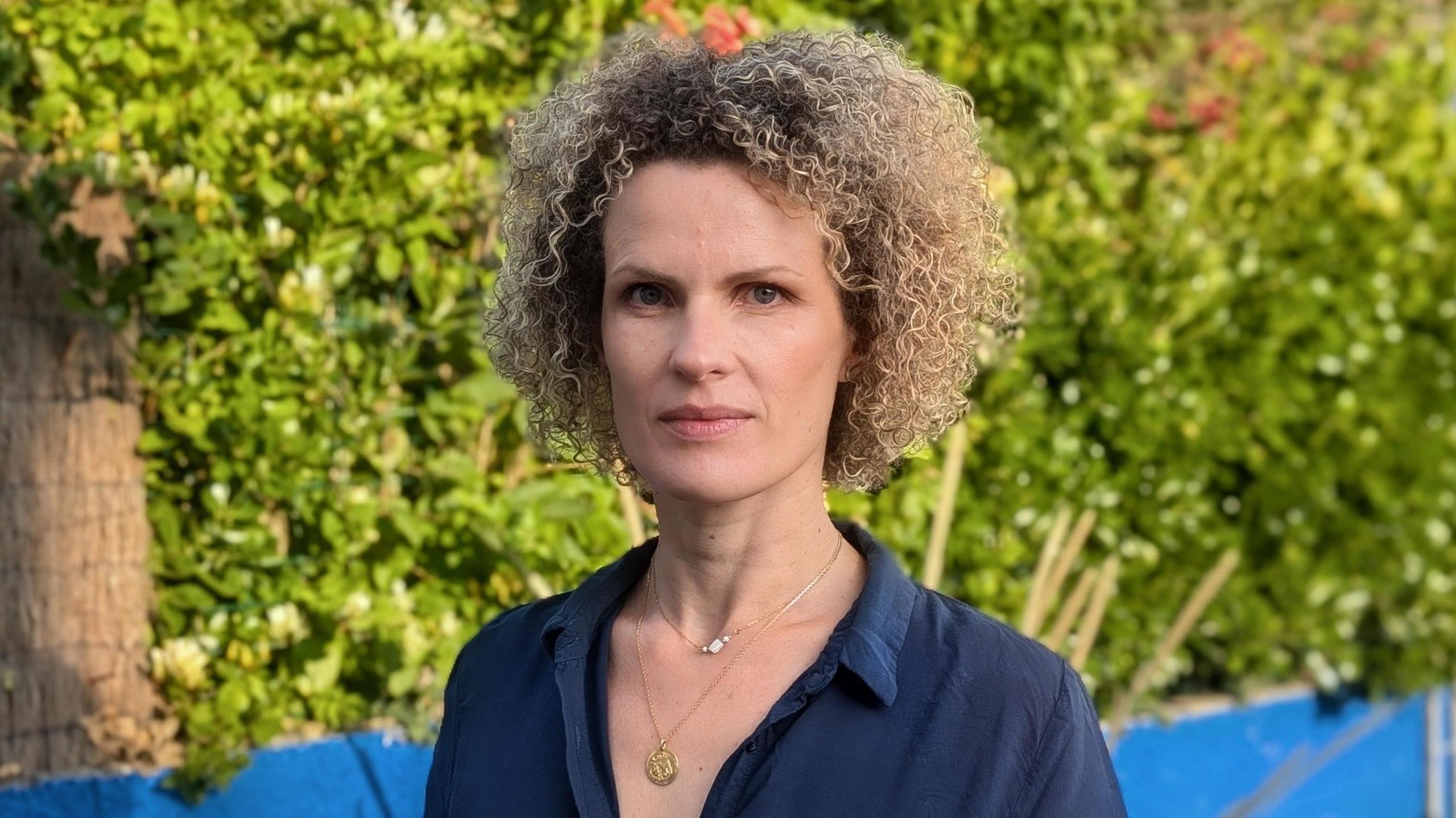
The survivors’ accounts, such as that of Issa Omar, paint a stark picture of survival tactics: clinging to debris, remaining awake, and relying on sheer will to stay above water.
France’s judicial outcome and the ongoing inquiry into military negligence emphasize the multifaceted nature of migrant safety and the urgent need for robust enforcement against human trafficking.