In brief
After the devastating wildfires that scorched vast parts of Borneo’s low‑land rainforest, Indonesian wildlife authorities rescued 46 orangutans and carefully rehabilitated them. The release of eight families—three mothers, their daughters, and two adult males—marks a significant conservation milestone for a species listed as critically endangered by the IUCN. The successful operation demonstrates the resilience of wildlife and the power of coordinated rescue efforts. As these primates re-enter their natural habitat, they symbolize hope for the future of Borneo’s forest ecosystems amid growing climate‑related challenges.
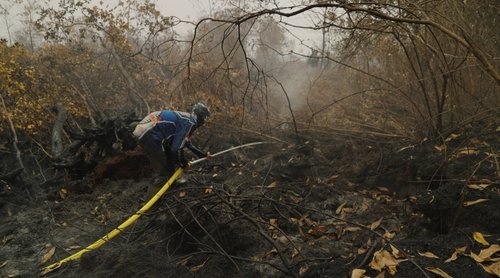
Eight critically endangered orangutans have been released back into the wild in the west of Borneo after a devastating season of wildfires. The wildlife team, in partnership with international conservation NGOs, rescued 46 apes before August and September’s fires destroyed large swaths of low‑land rainforest.
The rescue operation focused on three mother‑daughter groups and two adult males, who were held in a protected reserve while the fires raged. They received intensive medical care, nutrition, and behavioural training to prepare them for life outside the sanctuary.
Officials say the release is a landmark step in community‑based conservation and a clear sign that coordinated action can salvage wildlife even after severe environmental disasters. The orangutans will now roam freely, re‑establishing ecological roles that were lost during the fires.
Key details:
- Release location: a conservation reserve in western Borneo.
- Species status: Megasuric Southeast Asian orangutan, critically endangered.
- Contributors: Indonesian wildlife authorities, WWF‑Indonesia, and local community groups.
- Next steps: ongoing monitoring of re‑integrated populations.

The successful return of these primates offers a beacon of hope for Borneo’s remaining wildlife and underscores the critical need for continued support of rainforest protection initiatives amid escalating climate threats.