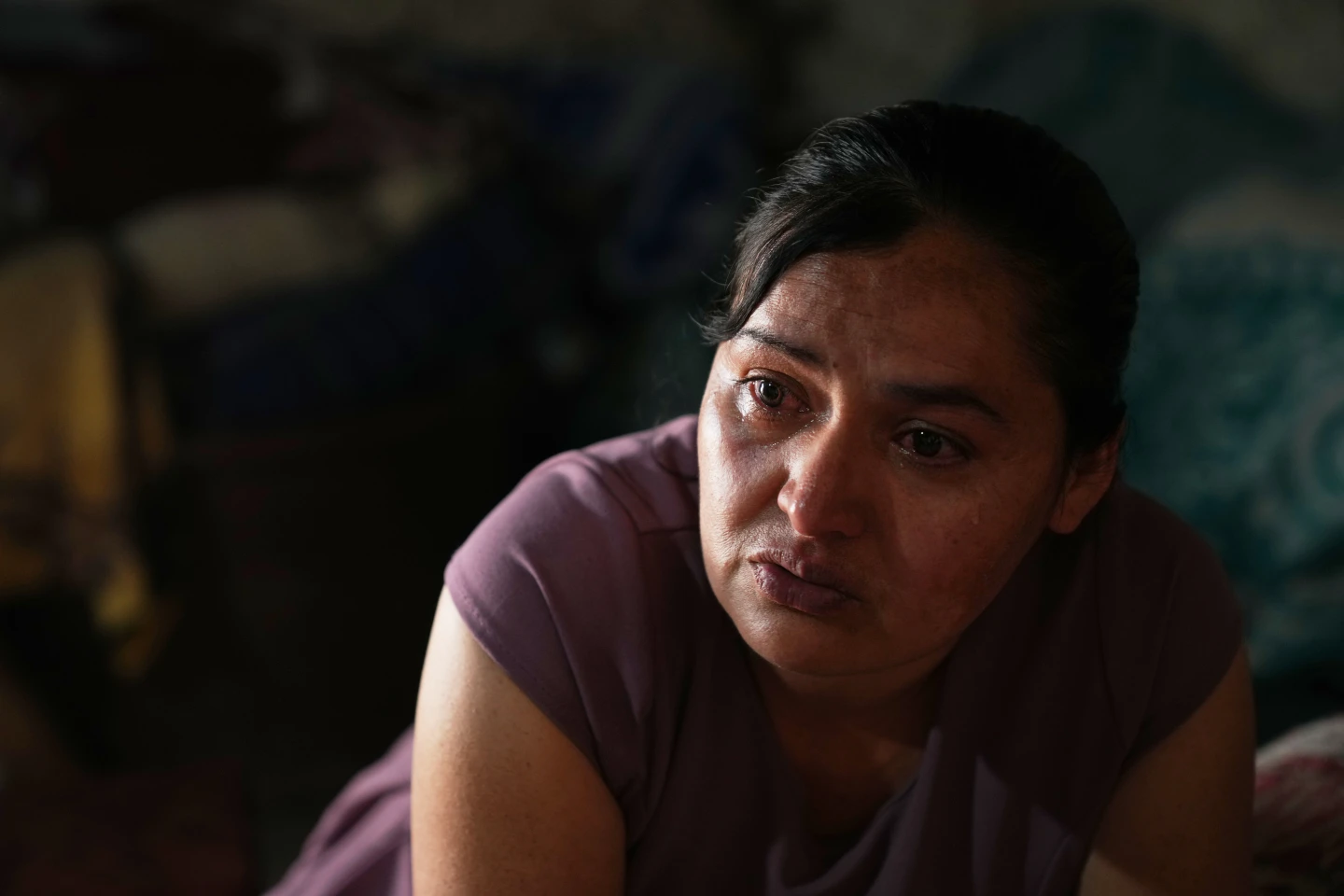
After stepping off the plane in Miami, 11‑year‑old Ederson Galicia Alva felt the familiar dread that had haunted him since the age of three. A federal agent had again stared at his mother, a Guatemalan immigrant, and pulled her into a holding cell. The last time Ederson had been separated from his parents was when the Trump administration’s “zero‑tolerance” policy had pulled him out of her arms at the U.S.‑Mexico border, leaving the two of them in separate government facilities for months.
Days later, the family moved to Guatemala where Ederson endured 11 months of poverty, hunger and psychological trauma in the highlands. He witnessed the same pain in another child’s eyes as the children’s mother, Mirsy Maricela Alva López, was again taken away by federal agents, flown to Guatemalan prison camps, and left her son, sister and brother behind. Each time Ederson’s mother returned, the children had to reacquaint themselves with their own names, and they had to rebuild their lives in a country where they could only speak Spanish.
Legal Protections that Crumbled
The U.S. government gained a court order in 2023 that barred it from separating children from their parents and granted those who were already separated legal protections, including asylum status, work permits and access to attorneys. But the Trump administration began the following month to shut down the legal assistance that the settlement depended upon. It also began forcibly deporting protected families that were already ordered to stay in the United States.
In September, the administration’s records show that a protected family – the Alva family – was again removed from the country in Guatemala, and the case was not disclosed until late April. A court order had explicitly prohibited the removal of any member of the class action “Ms. L” settlement without a two‑day notice. When the family was unexpectedly deported, the family’s attorney wrote a frantic email to the Justice Department. The courier reply repeated that the removal had already been executed; the attorney had no choice but to accept that the mother and children had been carried away.
The Constant Threat of Check‑Ins
Federal agents routinely target the age of 18‑year‑olds to enforce immigration law. The Alva family’s father, who had spent months in detention, is now required to submit to ICE check‑ins that occur every two weeks, and he is subject to ankle monitoring at all times. The constant pressure triggers anxiety among his children, who fear that the next time the door opens, they will be taken away again.
Back in Florida, but Only for Two Weeks
In May, a judge ordered the family to return to Florida on a commercial flight. They arrived at Miami’s south‑side airport, where the same federal agents documented the mother’s documents, fingerprints and birth certificates. An American Airlines flight was booked for the next two weeks of “humanitarian parole.” Ederson’s mother reported that the remaining two weeks seemed like a lifetime of uncertainty.
Ederson has still not spoken publicly about the separations. He asks her when she will leave to work, each time his heart tightening. He is the youngest of five children and has never more simply traveled the border again because the world is so unkind to people whose parents are “illegal.”
Continuing Advocacy
Immigration lawyers and civil‑rights groups are watching Ederson’s case closely. ACLU attorneys who had represented the Alva family in the 2018 lawsuit now urge the administration to stop ordering deportations of protected class members and to fund legal services for families under the settlement. They argue that the U.S. is violating its own legal commitments and that the children need judicial oversight to prevent the re‑creation of the trauma seen at the border in 2018.
Until the federal government upholds the settlement’s protections, families who live on the line of the border will continue to spend nights in detention, sleep in makeshift rooms, and ask their children who, at the moment, have never seen an open sky. The Alva family’s story is an acute reminder of how the policy of separation still hurts ordinary people who simply want to stay with their loved ones.
}