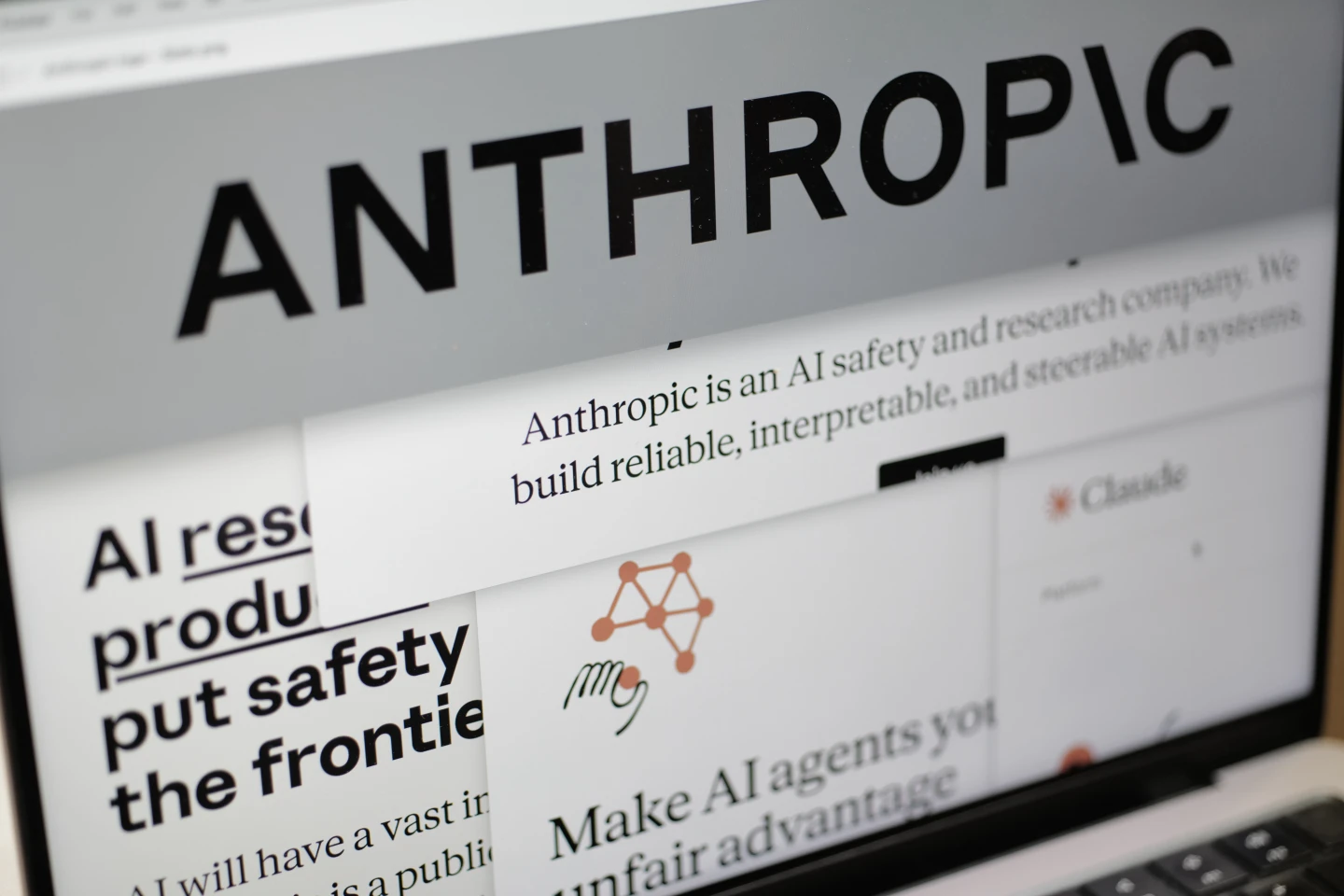
Anthropic, the U.S.‑based AI firm that builds the Claude chatbot, has abruptly halted its most powerful model, Claude Fable 5, after a federal agency issued a security order. The order—issued days after the model’s public launch—required the company to stop all foreign‑national access to Fable 5 and the sibling model Mythos 5 to ensure compliance with U.S. national‑security regulations.
In a statement on the company’s website, Anthropic explained that government officials had discovered a method to "jailbreak" the new model, allowing the bypass of built‑in safeguards that guard against misuses such as hacking or unapproved data use.
The firm noted that the vulnerabilities were relatively simple and could be found by other public models, yet it weighed them against the risk of larger flaws that could be exploited in national‑infrastructure contexts.
The suspension feeds into a wider legal tussle between Anthropic and the Pentagon. The U.S. Defense Department has labeled the company a supply‑chain risk—a designation normally reserved for organizations in adversarial countries—and has sued the firm to bar its tools from any government agency. A U.S. district judge, however, ruled that the Pentagon’s directive lacked enforceability, allowing agencies to continue using Anthropic while the lawsuit proceeds.
Experts caution that blocking or restricting Fable 5 may slow the safe development of powerful AI and hinder international collaboration. Professor Gina Neff of Queen Mary University highlighted that tests conducted by the UK AI Security Institute showed the model could exploit defenses 73% of the time, signifying "a step change in capability in cybersecurity.”
This episode underscores the tension between rapid AI progress and national‑security vigilance, raising questions about how governments can regulate emerging technology without stifling innovation.