German MP Jens Spahn Resigns Over Surrogacy Controversy
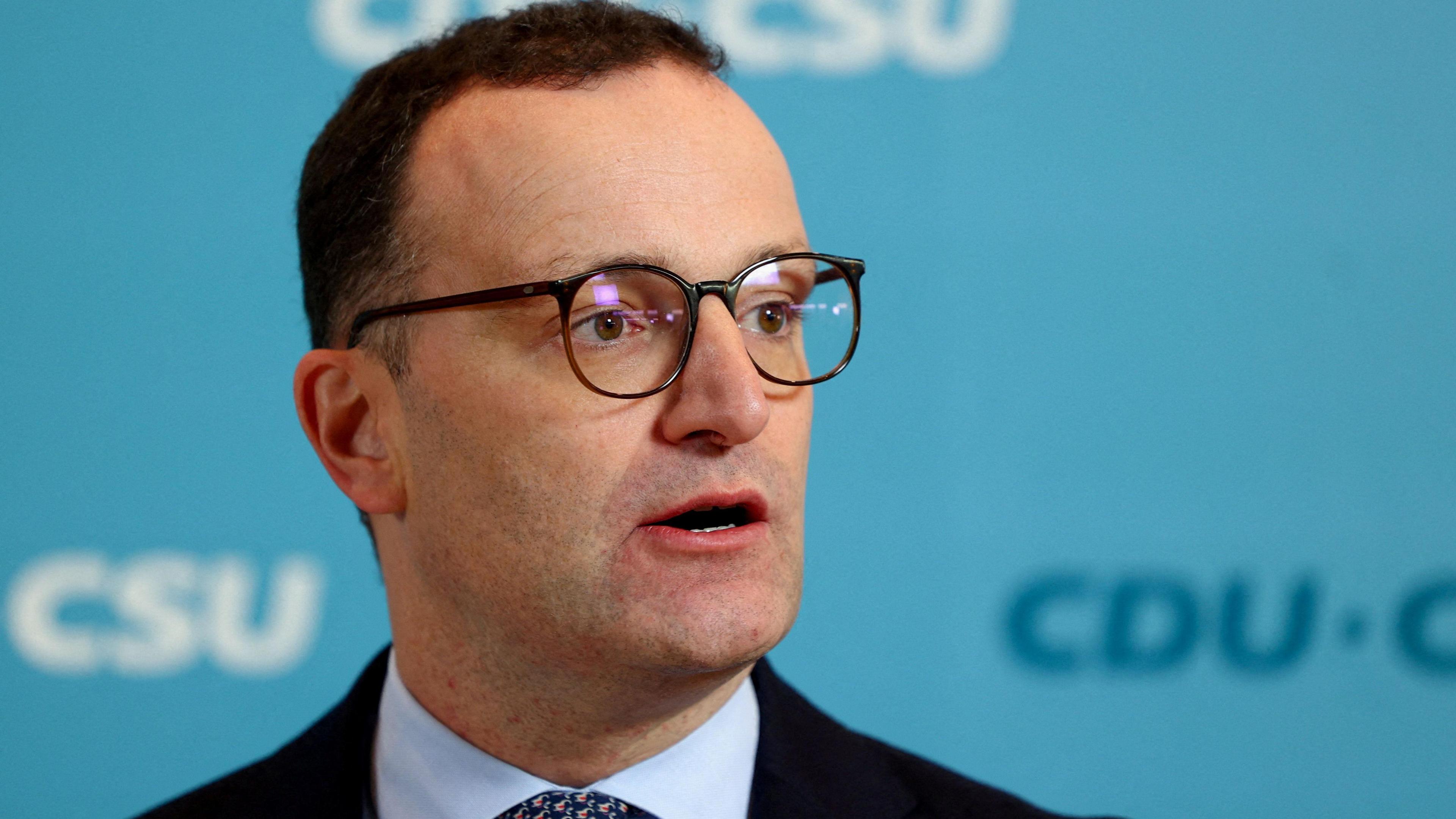
Jens Spahn, the 46‑year‑old head of the Christian Democratic Union (CDU) parliamentary group, announced his resignation as it became clear that his choice to use a surrogate mother in the United States to have a child with his husband conflicted with his party’s stalwart opposition to the practice.
Surrogacy is forbidden under Germany’s 1990 Embryo Protection Act, with penalties of up to three years in prison or a fine. Spahn has publicly voiced his opposition – citing his Christian values – on several occasions, most notably in 2015 when he said, “as a gay man and a Christian I find it personally very hard to warm to the idea of a rented womb.”
After revealing in early July that he and his husband Daniel Funke had expected a child through a U.S. surrogate, the criticism intensified from fellow CDU members and opposition parties alike. CDU leaders noted that the public office and personal life of a political figure should not diverge, especially when the policy in question is actively campaigned against.
In a social‑media statement, Spahn said his “personal happiness – founding a family together with my husband and becoming a father – is not compatible with my political office.”
Chancellor Friedrich Merz commented that Spahn’s decision was “right” and “inevitable,” noting that “credibility is the highest asset in politics.” Merz also announced that a replacement would be appointed in the short term, with Alexander Hoffmann of the Christian Social Union stepping in temporarily.
The incident adds another chapter to a growing debate over surrogacy in Europe, where several countries including France, Spain and Italy ban the practice outright. France’s Court of Cassation recently ruled that children born to surrogates abroad should be legally recognised as the intended parents’ children, while Italy’s right‑wing government in 2024 has made it illegal for Italians to pursue overseas surrogacy.
Spahn’s resignation underscores the stark line between personal choice and public duty in a political landscape that is increasingly scrutinizing lawmakers’ private actions. The CDU’s stance against commercial or neutral surrogacy models remains unchanged, but the personal decision of a senior politician has forced the party to confront its own principles publicly.