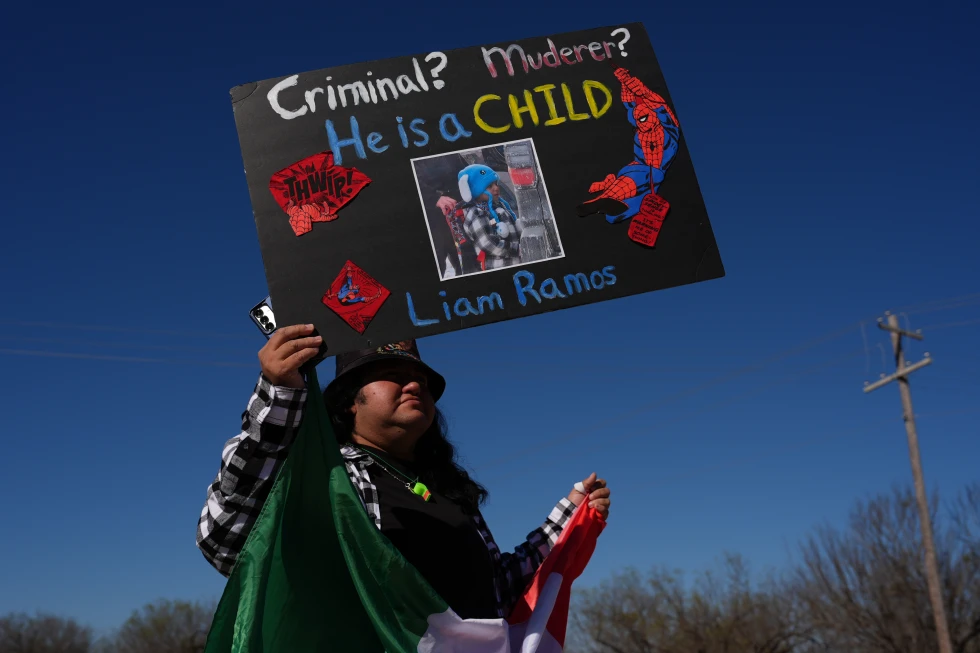
The Queensland government has recently enacted a sweeping reform that holds children as young as 10 accountable under adult criminal laws, imposing severe penalties for offenses such as murder, serious assault, and burglary. This legislative decision, hailed by the ruling Liberal National Party (LNP) as a measure against rising youth crime, has stirred considerable controversy within both the community and among policy experts.
Premier David Crisafulli expressed that these reforms are intended to reflect community concerns about unchecked youth crime. He emphasized that they prioritize "the rights of victims" over "the rights of criminals," presenting the shift as a necessary response to public demand for safety. However, these assertions stand in stark contrast to statistical evidence showing a dramatic decrease in youth crime in Queensland over the past decade and a half. Data reveal that youth crime rates have halved since 2008, reaching their historical lows in 2022.
Critics of the new laws, including a range of social scientists and international organizations, argue that implementing harsher penalties contradicts evidence suggesting that punitive measures do not effectively deter youth offenses and might even aggravate the issue. The United Nations has condemned the legislation for infringing on children's rights and international human rights standards.
Among the most concerning changes is the establishment of life imprisonment for youths convicted of murder, now accompanied by a mandatory non-parole period of 20 years. This marks a significant shift from the previous maximum penalty, which capped at 10 years, and allowed for a more rehabilitative approach to juvenile justice. The laws eliminate provisions that favor less severe interventions for young offenders, such as community service or fines, which many experts argue are more beneficial for social reintegration.
While supporters within the law enforcement community, including the Queensland Police Union, advocate for stricter regulations as necessary progress, they may overlook the broader implications. New Attorney-General Deb Frecklington acknowledges the conflict of these laws with international standards, particularly regarding their disproportionate impact on Indigenous youth.
Moreover, concerns are mounting regarding the practicality of the new regulations. With Queensland already housing more children in detention than any other Australian jurisdiction, legal experts warn of greater challenges in processing cases, as children may hesitate to plead guilty in the face of increased sentencing severity.
As these new measures take effect, the debate surrounding juvenile justice in Queensland continues to heat up, bridging the gap between community safety concerns and adherence to human rights principles. Advocates for children’s rights, including Commissioner Anne Hollonds, label these measures an "international embarrassment," calling for policymakers to reconsider their stance on youth crime and rehabilitation.