The European Union has added Iran's Islamic Revolutionary Guard Corps (IRGC) to its terrorist list in response to Tehran's deadly crackdown on protesters in recent weeks.
Repression cannot go unanswered, the bloc's top diplomat Kaja Kallas said, adding the move would put the IRGC - a major military, economic and political force in Iran - on the same level as jihadists like al-Qaeda and the Islamic State group.
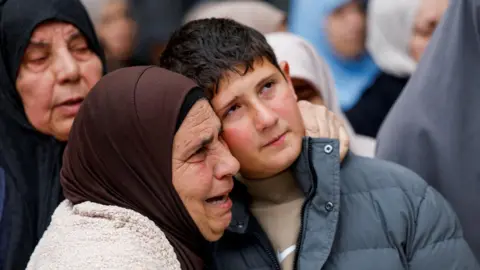
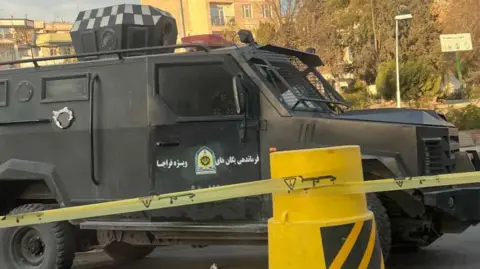
Iran's Foreign Minister, Abbas Araghchi, said the EU decision was a stunt and a major strategic mistake. Human rights groups estimate thousands of protesters were killed by security forces, including the IRGC, during weeks of unrest in December and January.
Speaking in Brussels on Thursday, French Foreign Minister Jean-Noel Barrot described it as the most violent repression in Iran's modern history and insisted there could be no impunity for the crimes committed.
While France had previously hesitated about adding the IRGC to the EU's terror list due to fears of severed diplomatic ties with Iran, it ultimately supported the decision driven by Italy's push.
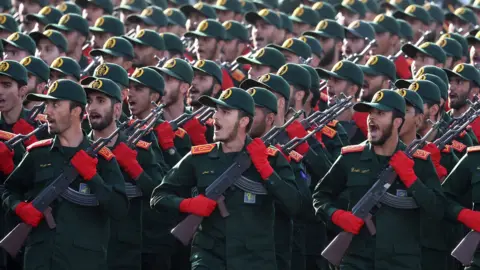
The EU has also implemented new sanctions targeting six entities and 15 individuals in Iran, including those accused of violent repression of peaceful protests. The IRGC is Iran's most powerful armed force, initially established to protect the Islamic system after the 1979 revolution, and is estimated to have about 190,000 active personnel.
Authorities have struggled to provide accurate updates due to an internet blackout, complicating human rights assessments. International news organizations have been limited in their ability to report from Iran, but verified videos show security forces using live ammunition against protesters.