
In brief
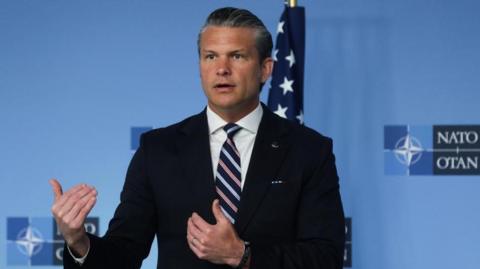
During a NATO defence ministers’ summit, Hegseth slammed several allies for not meeting defence‑spending targets, saying the United States will review the presence of its forces on the continent. He introduced a new "NATO 3.0" review aimed at speeding up the alliance’s response to emerging threats. The US also hinted at scaling back its high readiness commitments and warned that dues would be cut for countries that fail to hit the 5% of GDP defence target. These moves raise fresh questions about the future of NATO’s military balance and the role of U.S. troops in Europe.
During a NATO defence ministers’ meeting in Brussels, U.S. Defense Secretary Pete Hegseth unleashed a scathing critique of several NATO allies, dubbing them "free‑riders" for not fully meeting the alliance’s defence‑spending target of 5 % of national GDP.
Hegseth said the United States will launch a six‑month review of its forces stationed across Europe, a process he dubbed “NATO‰2.0.” He added that the review would examine whether U.S. troops are still needed on the continent and would affect the level of capital‑intensive commitments, including air and naval capabilities linked to the NATO Force Model.
He also warned that the U.S. will cut its NATO dues if any member state fails to reach the 5 % spending goal, and that the U.S. is already taking steps to reduce its high‑readiness force presence amid recent troop withdrawals from Germany and Poland.
Mark Rutte, NATO Secretary‑General, welcomed the scrutiny but emphasised that the alliance had already seen a 20‑% increase in defence spending last year and that some Polish and German troops were being redeployed. He urged every member to present concrete, credible plans for meeting the 2035 5 % target before the upcoming Ankara summit.
The comments come amid ongoing tensions over U.S. troop deployments and Russia’s potential ambitions, raising the stakes for NATO’s ability to coordinate a swift, effective response to emerging threats.

