Heatwave Triggers Red Alerts Across Europe, With 40°C Forecast
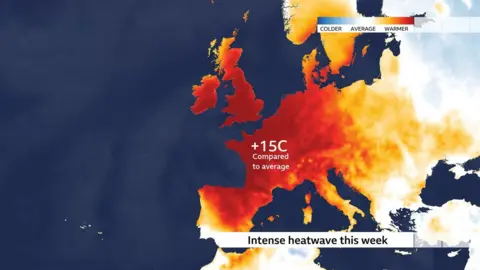
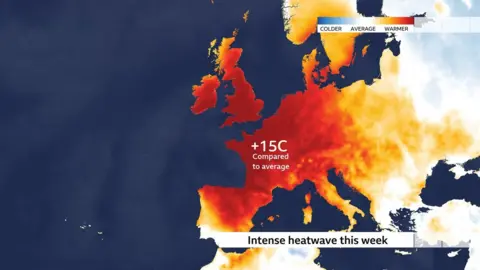
For the first time in years, heating‑and‑cooling grids are strained as heatwave conditions intensify across Western and Central Europe.
Red heat alerts have been issued in France, Spain and neighbouring countries. That is the highest of four warning levels issued by Météo-France and signals potentially life‑threatening conditions.
Key Facts
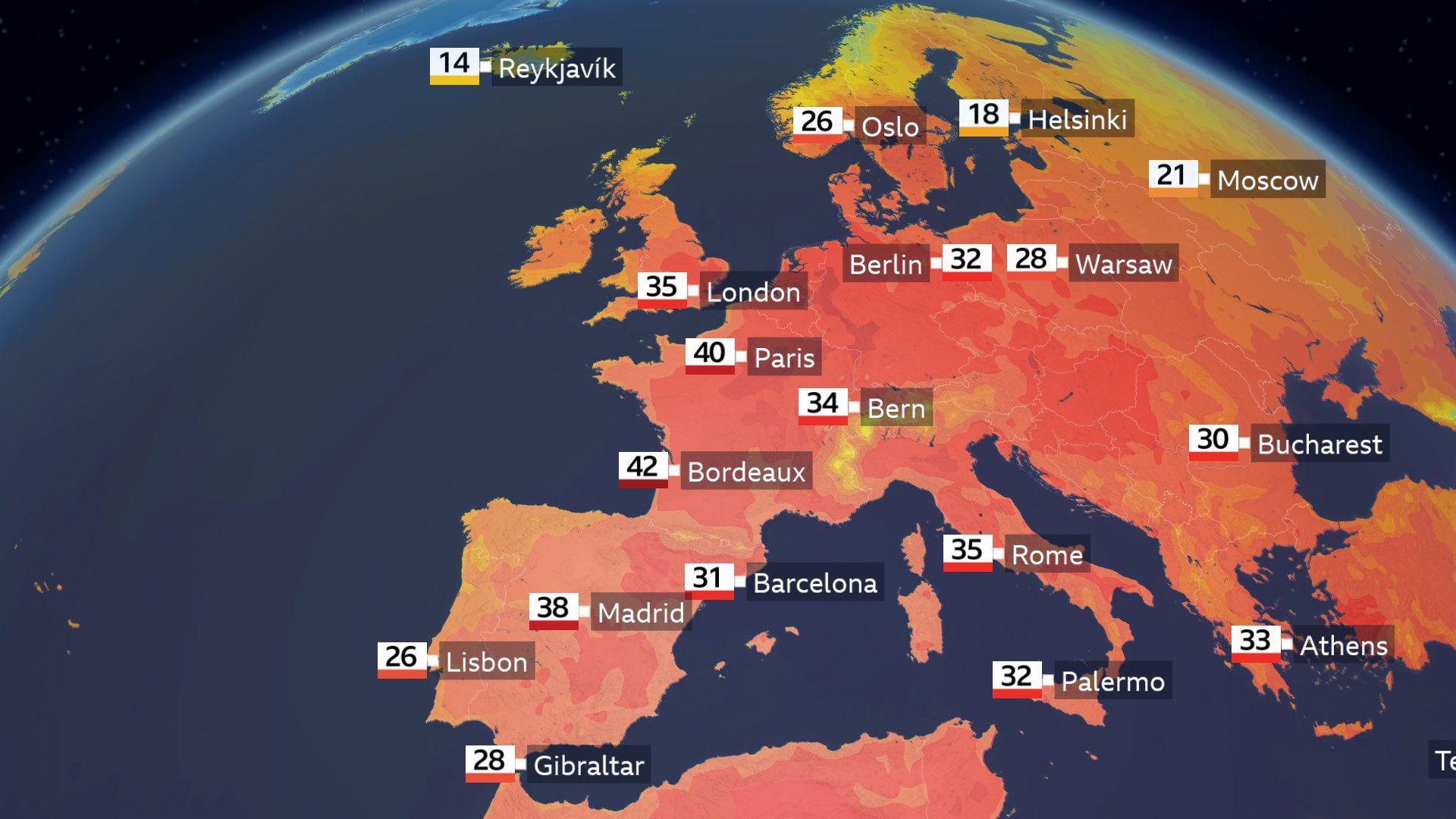
- More than 50% of French regions are under the harshest weather warning; 42°C recorded in Bordeaux.
- Red alerts in Italy for cities such as Milan, Turin, Venice, Bologna, Florence and Rome.
- Spain warns of extreme temperatures with the Basque country expecting 40°C in San Sebastian.
- Germany, Switzerland, Luxembourg and other nations have also issued comparable red warnings.
- Trains in Paris have been curtailed, and SNCF advised vulnerable passengers to postpone or avoid travel.
- About 845 schools in France were shut, with extra 1,800 allowing early finish for pupils amid the heat.
- 40°C forecast for Paris; 41°C across many parts of the continent on Wednesday.
Tragic Incidents
Two children aged two and four were found dead in a family car in Carpentras, southern France. Ambulances were unable to revive the pair, with investigators linking the deaths to the extreme heat; the cause is still under investigation.
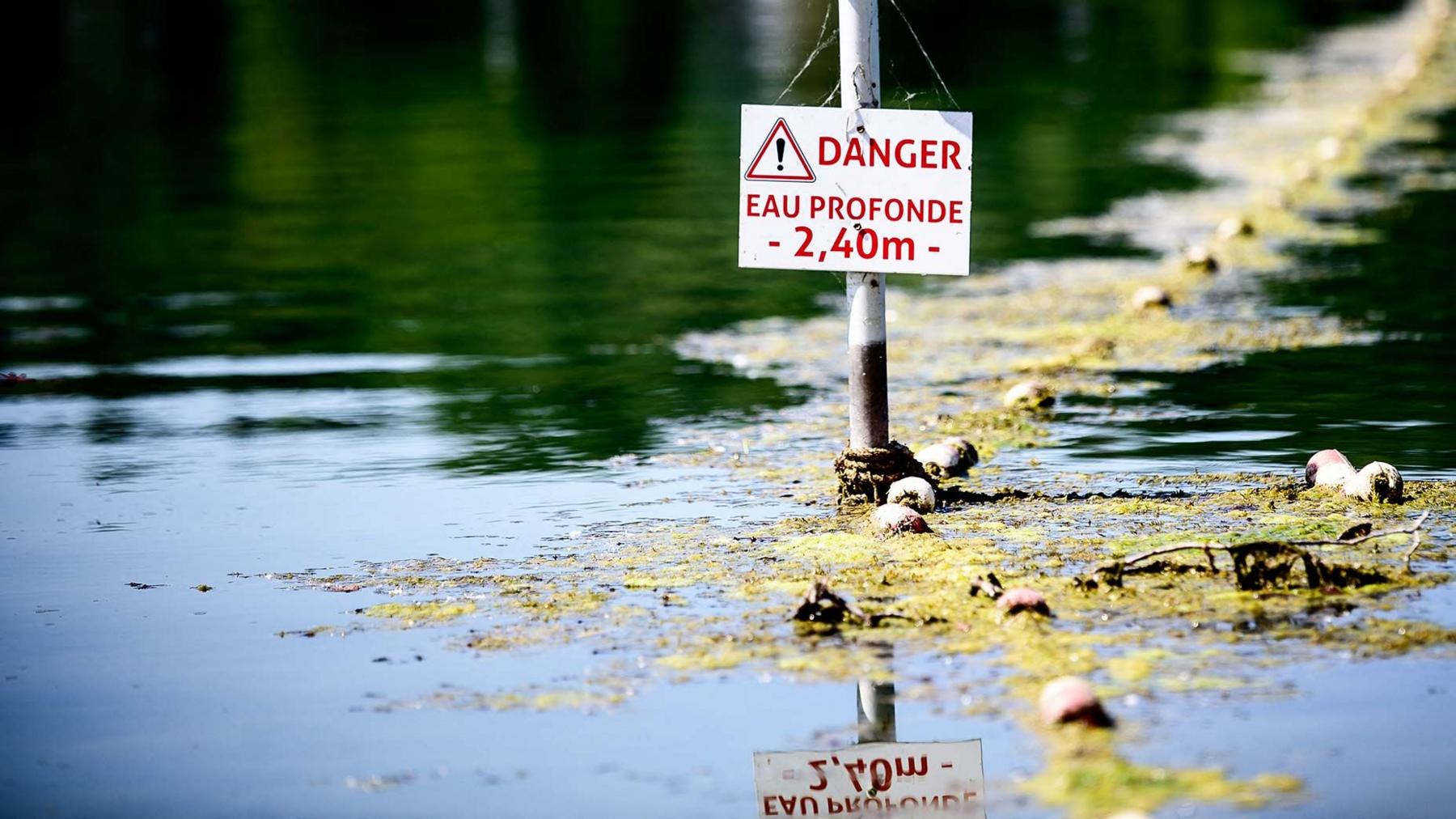
Three elderly residents (ages 80-95) in the Gironde region have died amid intense heat. Over the weekend, 13 drownings in lakes and rivers were reported, leading authorities to urge people to stay away from unsupervised water venues.
Government Response
France banned alcohol at the annual Fête de la Musique, citing the need to preserve emergency services and maintain medical staff focus. Similar precautionary measures are seen across the region as governments try to mitigate the health risks.
Officials warn that heatwave conditions will endure until the end of the week, with temperatures unlikely to drop.
Broader Climate Context
Scientists note an alarming trend: of 51 heatwaves recorded in France since 1947, 34 have been since 2000, and 26 since 2011. That pattern is consistent with global warming predictions.
While the western coast faces the hottest conditions, much of mainland Europe is projected to hover between 36°C–40°C.
Given the pattern, authorities urge waste reduction in heat‑related emergencies, including reduced services in national rail networks, school closures and enhanced public health advisories.