Helicopters carry trekkers to safety as new landslides‑plagued mountains slam into Nepal
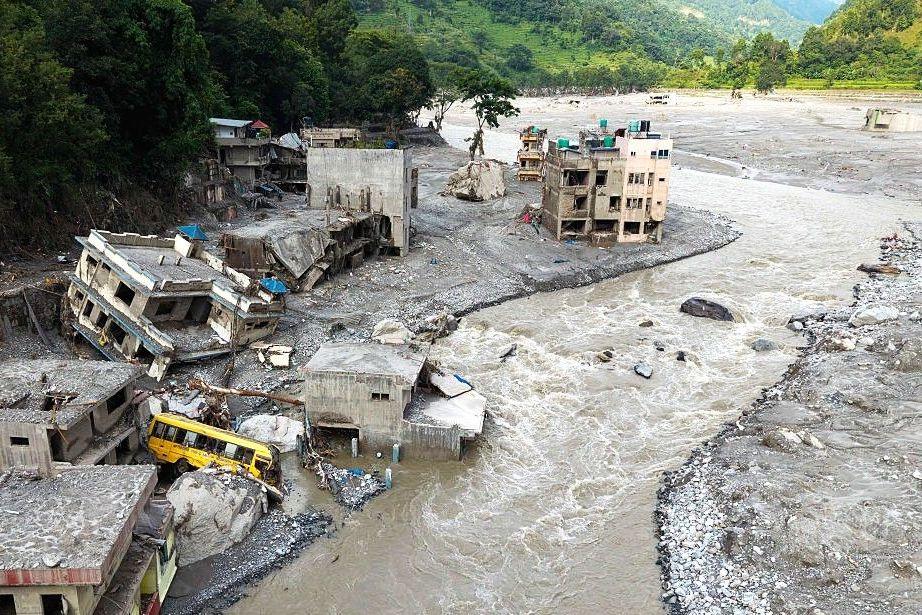
More than thirty people have already lost their lives in a second wave of landslides and heavy rain that are sweeping through Nepal, adding to the death toll from last month’s record floods that claimed 1,400 lives and left thousands missing. The National Disaster Management Authority says roughly 1,900 families are affected, spanning 240 damaged homes, and that rivers and highways have been washed away.
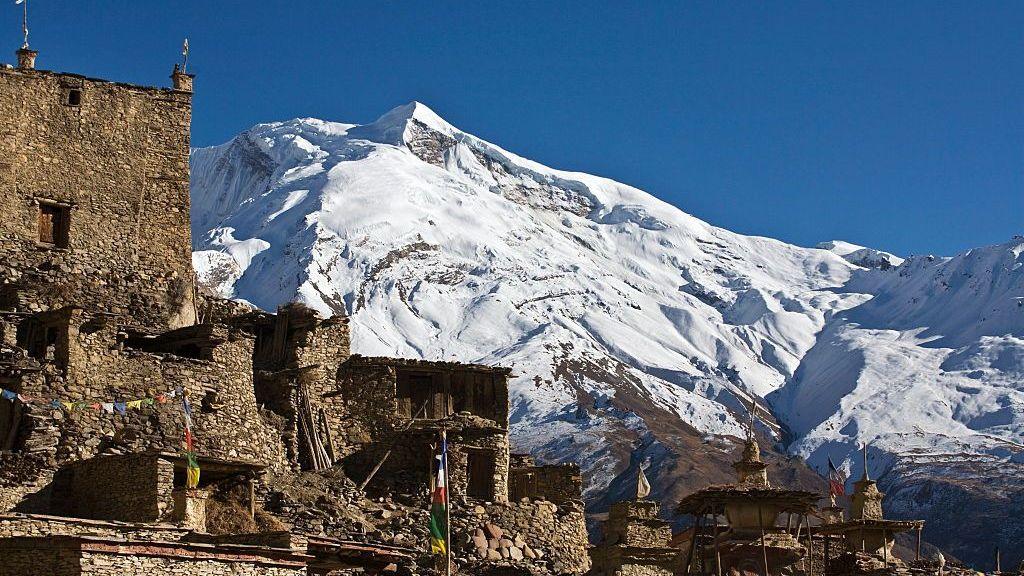
The tourist‑popular Annapurna Circuit—once a three‑week pilgrimage trail for thousands of trekkers—has suddenly become a two‑day ordeal. Hundreds of foreign and domestic trekkers had to cut short their excursions and were airlifted from the remote Manang and Mustang districts, shutting down a route that usually takes up to three weeks to traverse.
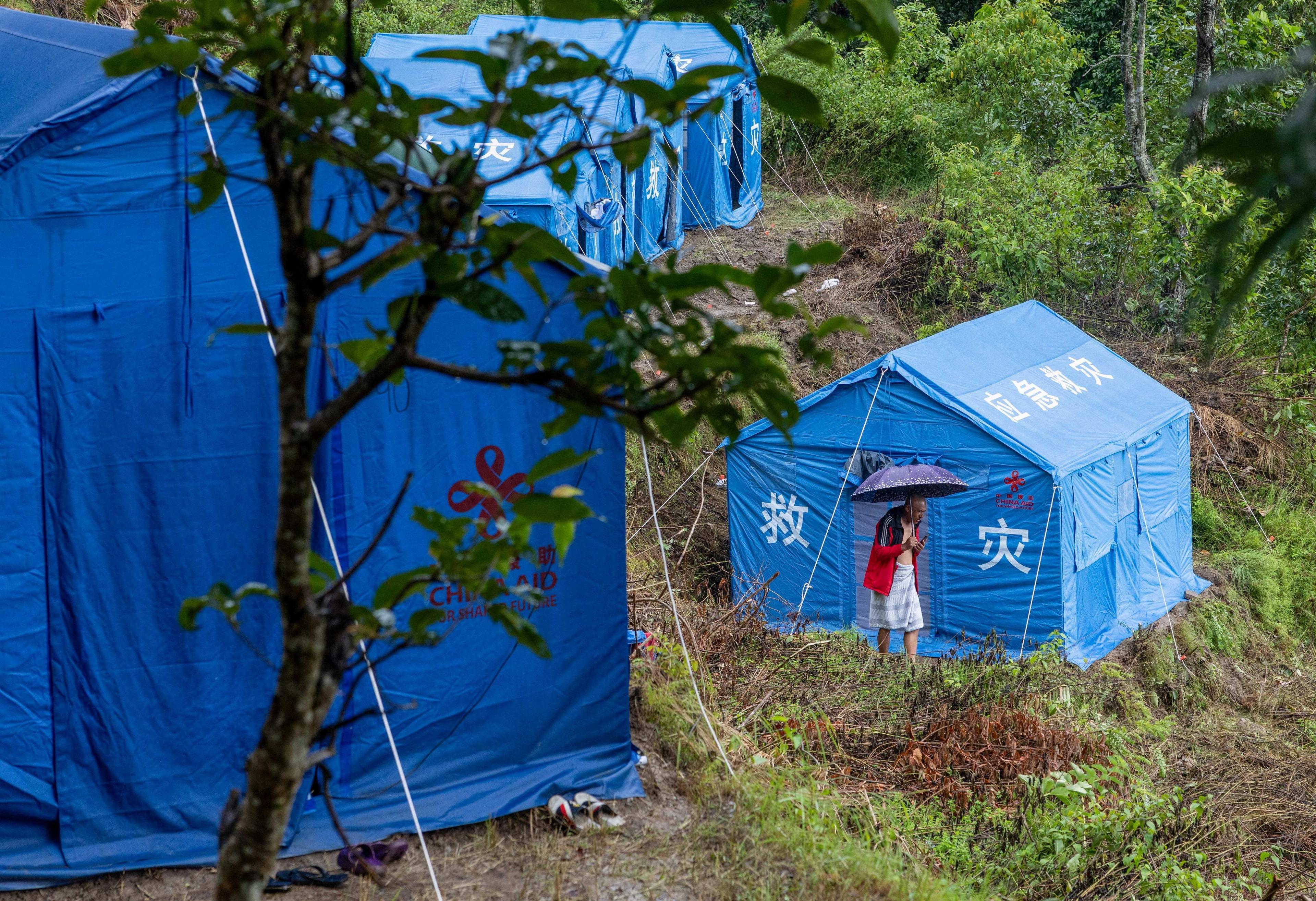
In a tented settlement outside the small town of Battar, one resident said they had lost their entire hut to the rain and a rising river. Another local, who fled their home entirely, shared that the tilt and leaks from the canopies make survival difficult, while still no one had died in the trekking zone although four bodies were recovered and twelve people vanished after an avalanche on Himlung Peak.
Trekking guides and seasoned mountaineers report that most routes now lie under collapsed bridges and labyrinthine debris. One guide detailed how his group had to ride down through muddy slopes and treacherous river crossings over three to four days, with the only safe option being to hop on a helicopter. Australian tourist and his guide not only avoided a hazardous pass but also endured nights stuck mid‑mountain after snowfall collapsed a road.
Local authorities are overwhelmed, noting that the region’s infrastructure is still damaged and communications intermittent. Meanwhile the Annapurna Conservation Area Project said around 700 trekkers are lining up at Pokhara to start the circuit, but have been put on hold until safety can be guaranteed. Pilgrims heading for the ancient Muktinath temple have been rerouted by air because mountain roads are impassable.
With Nepal’s economy heavily tied to tourism, the dual disaster—floods followed by landslides—poses a profound challenge. The country must grapple with rebuilding bridges, re‑establishing safe routes, and ensuring the livelihoods of those who depend on trekking for income, all while dealing with the ongoing flood damage.