In brief
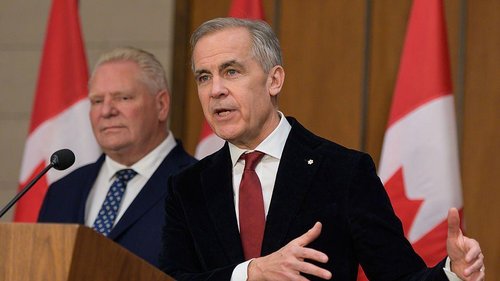
In a major environmental policy shift, Canada unveiled new regulations on November 4, 2024, aimed at capping carbon emissions from the oil and gas sector, a primary contributor to the country’s greenhouse gas output. The move, announced by Prime Minister Justin Trudeau's government, intends to reduce emissions by 35% to 38% from the 2019 levels by the year 2030. The decision received mixed reactions—while the energy sector has vocally opposed the regulations, some environmentalists argued that the measures do not go far enough in addressing the pressing climate crisis.
The new regulations will implement financial incentives and credits designed to encourage the energy industry to adopt cleaner practices. The oil and gas sector is currently responsible for approximately one-third of Canada’s total carbon emissions, with oil sands operations in Alberta contributing significantly to this figure. Although certain companies have improved their carbon output per barrel produced, the overall increase in oil production has resulted in a staggering 142% rise in emissions from oil sands over the past two decades.Facing criticism from various fronts, the Canadian government recognizes the need for a balanced approach to reduce emissions while continuing to engage with major fossil fuel importers like the United States. While the government aims for ambitious targets, the effectiveness of these new regulations will depend on the cooperation of the oil and gas industry and their willingness to innovate for a sustainable future.