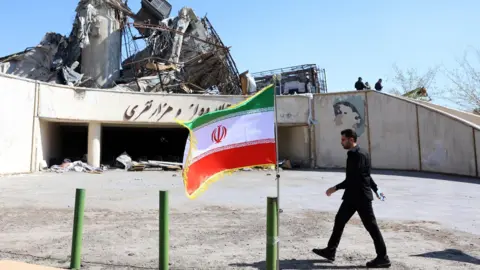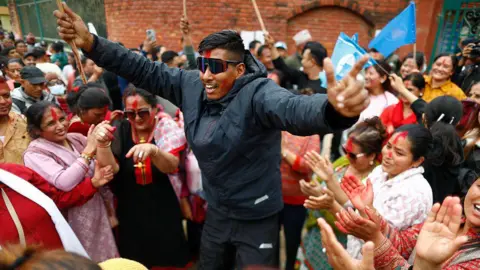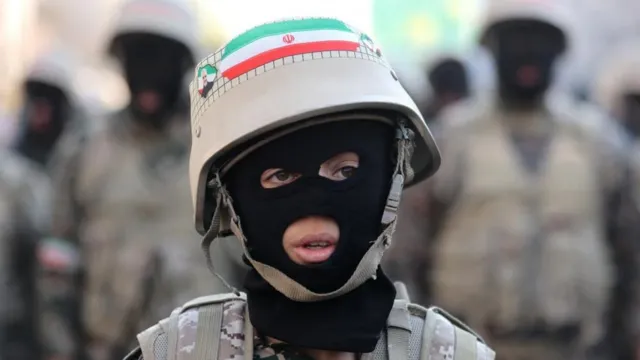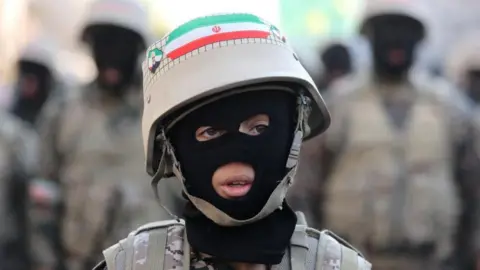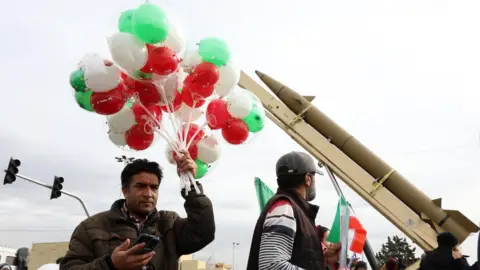
When clocks struck nine across Tehran on Tuesday, the night skies filled with sound in celebration of the 47th year of the Iranian revolution.
We listened from our hotel balcony as chants of 'God is greatest' rose from rooftops and roared from windows. Fireworks flared in a kaleidoscope of brilliant colours.
But this year, in this annual explosion of light and sound, there was a discordant note. We heard 'death to the dictator' shouted too from somewhere in the darkness of the city, from the safety of spaces indoors.
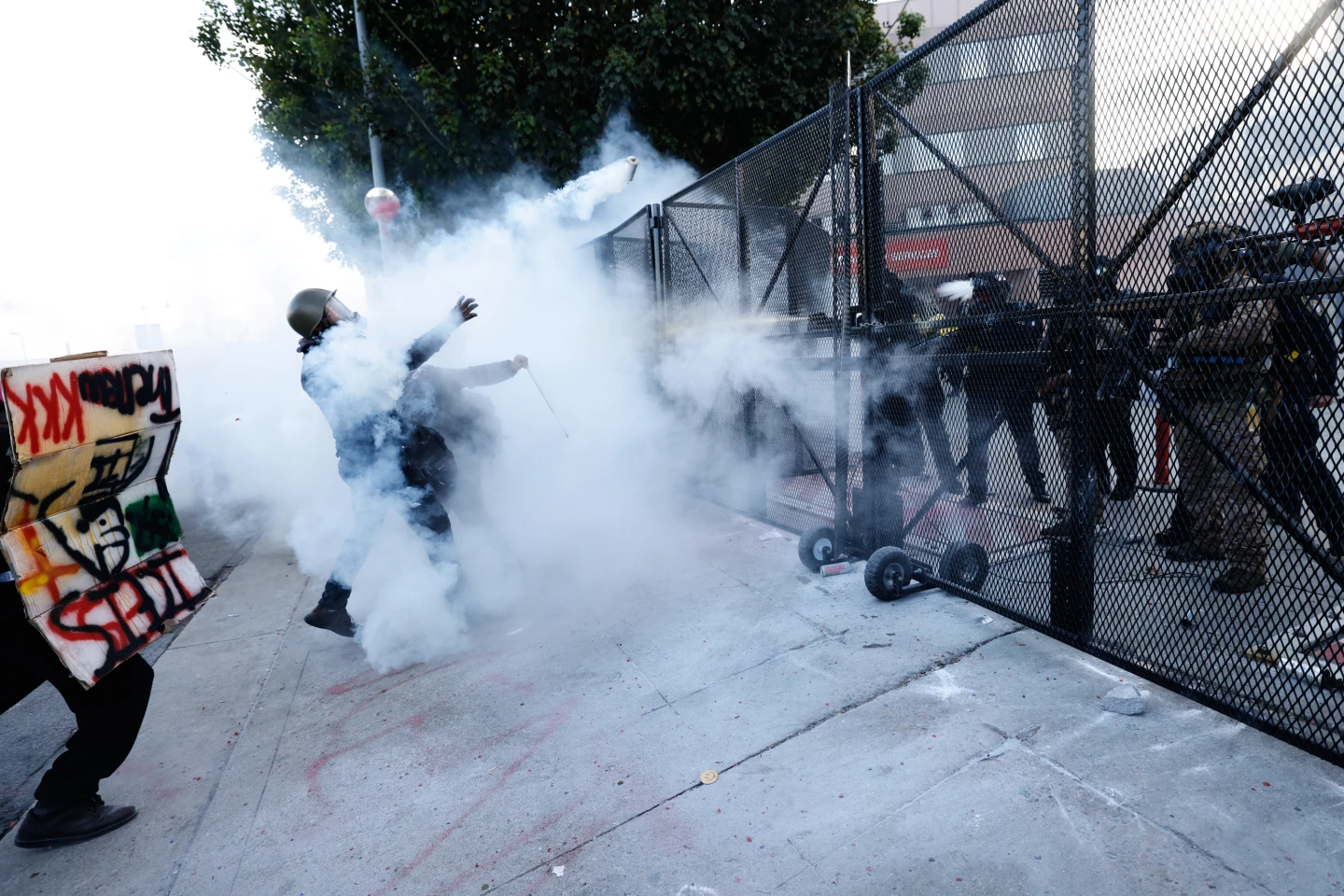
It was a dramatic echo of the extraordinary wave of protests, which swept some streets and squares of Tehran, and towns and cities across this country last month. They were met with unprecedented lethal force and a huge loss of life unseen in previous uprisings.
Yet, on our first day in Tehran, amid the festive atmosphere, many city dwellers remained cautious, echoing frustrations about the economic challenges they face. People's dissatisfaction, stemming from soaring prices of everyday goods, now poses an unparalleled challenge to Iran's ageing theocracy.
The government's celebrations included passionate remarks from President Masoud Pezeshkian, who denounced foreign influence while also acknowledging the need to listen to the voices of discontent from within. His comments reflect the tightrope the Iranian leadership must walk, balancing loyalty to revolutionary ideals against the pressing realities of public unrest.
The stark contrast between jubilation and dissent illustrates the complexities Iran faces as it navigates both historical legacy and the urgent call for reform from its populace. The Islamic Republic stands at a crossroads, grappling with its most significant tests since its inception nearly five decades ago.