In brief
As Iranians commemorated the anniversary of their revolution, festivities in Tehran were accompanied by cries of dissent and disillusionment. The events reflected the stark contrast between exuberance for the revolution and widespread dissatisfaction fueled by economic hardships and a recent harsh crackdown on protests. President Masoud Pezeshkian addressed the crowd with calls for unity, acknowledging the struggles citizens face while attributing unrest to external influences.
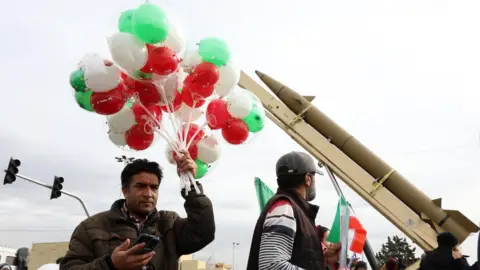
When the clocks struck nine across Tehran on Tuesday, the night skies were filled with the sounds of celebration for the 47th anniversary of the Iranian revolution. Chants of 'God is greatest' echoed from rooftops, accompanied by a brilliant display of fireworks. However, this year's exuberant celebration was overshadowed by a discordant undercurrent as 'death to the dictator' could be heard from the shadows of the city, echoing the protests that gripped Iran just weeks prior.The protests, marked by unprecedented violence leading to large casualties, were a backdrop to the festivities organized by the authorities. Despite the celebratory atmosphere, many citizens expressed their frustration over soaring prices and economic conditions, showcasing a deep divide between the government’s portrayal of national pride and the reality of daily struggles.On the final day of events, Tehran's streets were filled with supporters of the regime, a response to recent protests, as families enjoyed the warm winter sun, many waving flags and chanting anti-American and anti-Israel slogans. President Masoud Pezeshkian addressed the crowd from Azadi Square, condemning foreign propaganda while attempting to acknowledge the people's grievances.Prominent voices among the citizens reflected mixed feelings, with some participants at the rallies voicing understanding for those protesting against the government’s failings. On the street, sentiments ranged from pride in the revolution's legacy to sharp criticism of the regime's handling of economic crises and political oppression.As Iran stands at a crossroads, the resilience and anger of its population confront the frailty of its aging theocracy, raising questions about future stability amidst a jarring mix of defiance and celebration.