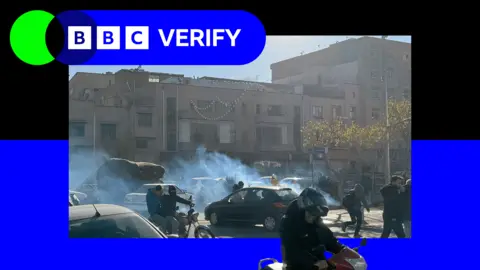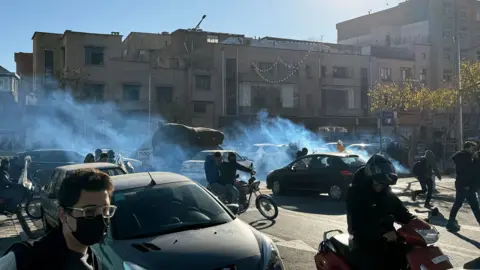
Iran is no stranger to street protests, but several factors surrounding the current unrest make it particularly serious.
Protests have erupted across the country for nine consecutive days, sparked by the public's anger over soaring inflation and the rapid devaluation of the Iranian currency. As demonstrations continue, U.S. President Donald Trump has issued stark warnings to Iranian leaders regarding their treatment of demonstrators, marking a rare direct threat from the U.S. during an ongoing protest situation.
Such threats are unprecedented and could embolden protestors, fostering an environment for unrest to expand. Iranian police and security forces have met these protests with violence, resulting in reports of over 20 deaths.
The protests, which began peacefully on December 28, were primarily driven by economic concerns as inflation officially sits around 42%, with food inflation exceeding 70% and some basic goods experiencing over 110% price increases in the past year.
While international sanctions, mainly led by the U.S., are a significant contributor to Iran's economic troubles, they don't tell the whole story. Public perception of corruption within the ruling elite, who many believe exploit the sanctions for personal gain, has intensified anger among ordinary citizens.
The demonstrations initially involved merchants from Tehran's Grand Bazaar demanding government intervention amidst volatile currency fluctuations. The protests soon took on a more political tone, with calls for the complete removal of the Islamic Republic government.
Unlike previous protests, such as the aftermath of Mahsa Amini's death in 2022, the current unrest is marked by a lack of clear leadership and has taken a few days to spread widely. However, the current protests may reflect an escalating crisis for Iran's government, which is perceived to be at its weakest point in years amid continuing pressures from both internal unrest and external geopolitical challenges.
The backdrop of the disruptions includes Iran's recent conflict with Israel and direct U.S. interventions. These issues have damaged Iran’s military capabilities and further isolated the nation, deepening its economic vulnerabilities and uncertainties regarding the regime’s longevity.