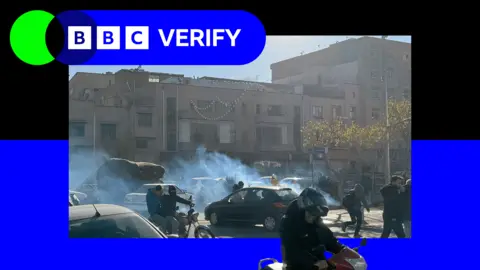
Widespread Anti-Government Protests Erupt Across Iran
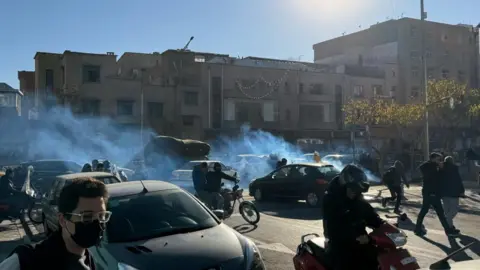
Protests have broken out in at least 17 of Iran's 31 provinces, presenting the largest challenge to the country's clerical establishment since 2022, a BBC Verify and BBC Persian analysis has found.
The BBC's analysis of protests includes only those for which we have verified video footage - the true number is almost certainly far higher. Reports indicate demonstrations in a further 11 provinces.
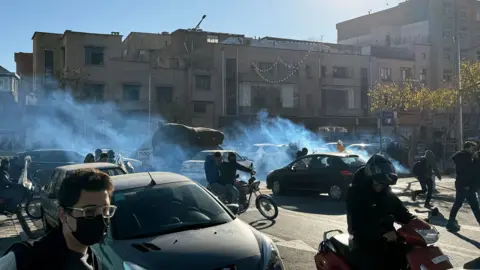
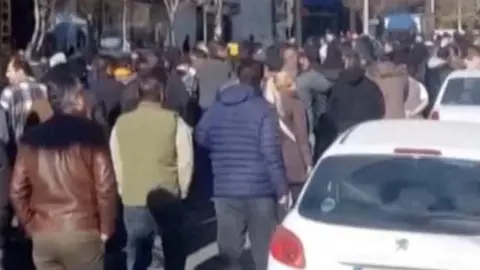
A wave of protests has spread rapidly across Iran since December 28, initially igniting in Tehran following a sharp devaluation of the national currency against the dollar and other foreign currencies. Verified footage has shown anti-government demonstrations across more than 50 towns and cities, including areas perceived to be loyal to the state.
Over 100 verified videos illustrate the scale of the unrest, showcasing public dissent in many major cities and a rising tide against the government reminiscent of the protests from 2022. Demonstrations in cities like Qom and Mashhad, known for their pro-regime loyalty, are particularly significant, indicating a broader discontent among Iranians.
Authorities have traditionally reacted violently to suppress unrest. A regional crackdown following the death of Mahsa Amini in 2022 led to over 550 alleged fatalities, with the latest protests also showing violent reactions from state forces. However, the initial response appeared to be somewhat restrained compared to previous crackdowns, until recent events saw an increase in force.
Since Supreme Leader Ayatollah Ali Khamenei openly condemned the demonstrations and ordered strict control, reports have shown security forces intensifying their measures against protesters. Meanwhile, Iranian officials have acknowledged the financial grievances raised by demonstrators, indicating a cautious approach towards addressing legitimate concerns while also threatening harsh reprisals against what they deem as provocateurs.
Casualty reports have emerged, with humanitarian groups documenting at least 35 fatalities, including two security personnel, signaling the potential for further escalation. In one incident in Malekshahi, violence led to gunfire erupting amid protests, resulting in multiple casualties.
The protests have transitioned from economic issues into broader discontent with the regime, with chants against Supreme Leader Khamenei becoming commonplace. Reports of demonstrations supporting the exiled son of the Shah reflect the historical complexities surrounding this discontent.
Holly Dagres of the Washington Institute highlights the continuation of systemic issues plaguing Iranian governance. Despite the mounting protests, experts agree this unrest does not yet pose an existential threat to the regime, as security forces remain loyal and operational cohesion persists among law enforcement.
The unfolding situation captures a critical moment in Iran's ongoing struggle with social and political unrest, marking a significant chapter in its turbulent history.