There were violent clashes between anti-government protesters and security forces in several locations in Iran on Wednesday, as a wave of unrest sparked by the country's economic crisis continued for an 11th day.
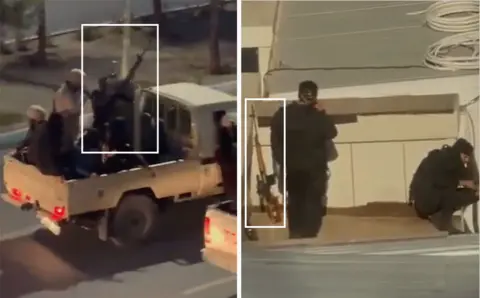
Iran's semi-official Fars news agency, which is close to the Revolutionary Guards, reported that two policemen were killed by armed individuals in the south-western town of Lordegan.
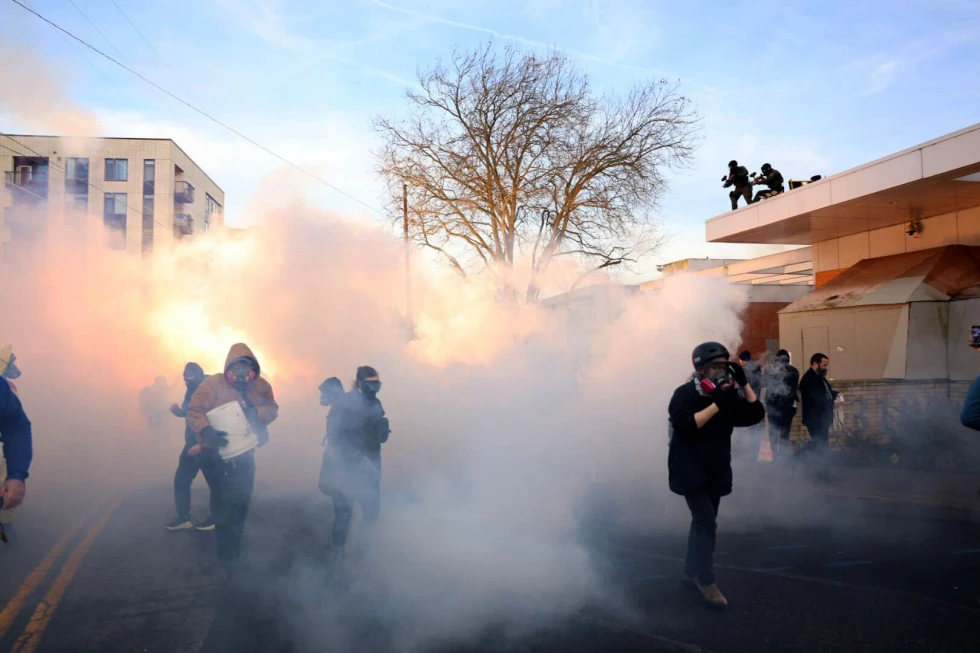
Videos posted on social media showed tense standoffs between protesters and security forces, accompanied by the sound of gunfire. In various locations, security forces were seen firing weapons and deploying tear gas against crowds of demonstrators, some of whom retaliated by throwing stones.
The protests have so far spread to 111 cities and towns across all 31 provinces, according to the US-based Human Rights Activist News Agency (HRANA). At least 34 protesters and four security personnel have reportedly died amid the ongoing unrest, with 2,200 protesters arrested.
The demonstrations began on December 28 after merchants in Tehran expressed outrage over a drastic decline in the value of the Iranian currency, the rial. The rial has plummeted to record lows, and inflation has surged to 40%, exacerbated by international sanctions related to Iran's nuclear program and domestic mismanagement.
University students quickly joined the protests, which gained momentum and led to slogans directed against Supreme Leader Ayatollah Ali Khamenei, with some shouting in support of Reza Pahlavi, the exiled son of the former Shah.
Widespread protests erupted across various cities, such as Qazvin and Mashhad, where demonstrators were seen confronting security forces. Additionally, videos confirmed large gatherings in locations like Aligudarz, where chants of 'People's uprising, Viva!' echoed into the night.
To address the escalating tensions, Iranian officials stated that no security measures would be taken against peaceful protesters. However, authorities have vowed rapid prosecution for those deemed 'rioters.' Amid fears of violent reprisals from security forces, some officials have expressed caution in their approach.
These protests mark one of the most significant waves of discontent since the 2022 uprisings following the death of Mahsa Amini in police custody, illustrating a continuing pattern of civil unrest fueled by socio-economic challenges and calls for political change.
Iran's semi-official Fars news agency, which is close to the Revolutionary Guards, reported that two policemen were killed by armed individuals in the south-western town of Lordegan.
Videos posted on social media showed tense standoffs between protesters and security forces, accompanied by the sound of gunfire. In various locations, security forces were seen firing weapons and deploying tear gas against crowds of demonstrators, some of whom retaliated by throwing stones.
The protests have so far spread to 111 cities and towns across all 31 provinces, according to the US-based Human Rights Activist News Agency (HRANA). At least 34 protesters and four security personnel have reportedly died amid the ongoing unrest, with 2,200 protesters arrested.
The demonstrations began on December 28 after merchants in Tehran expressed outrage over a drastic decline in the value of the Iranian currency, the rial. The rial has plummeted to record lows, and inflation has surged to 40%, exacerbated by international sanctions related to Iran's nuclear program and domestic mismanagement.
University students quickly joined the protests, which gained momentum and led to slogans directed against Supreme Leader Ayatollah Ali Khamenei, with some shouting in support of Reza Pahlavi, the exiled son of the former Shah.
Widespread protests erupted across various cities, such as Qazvin and Mashhad, where demonstrators were seen confronting security forces. Additionally, videos confirmed large gatherings in locations like Aligudarz, where chants of 'People's uprising, Viva!' echoed into the night.
To address the escalating tensions, Iranian officials stated that no security measures would be taken against peaceful protesters. However, authorities have vowed rapid prosecution for those deemed 'rioters.' Amid fears of violent reprisals from security forces, some officials have expressed caution in their approach.
These protests mark one of the most significant waves of discontent since the 2022 uprisings following the death of Mahsa Amini in police custody, illustrating a continuing pattern of civil unrest fueled by socio-economic challenges and calls for political change.