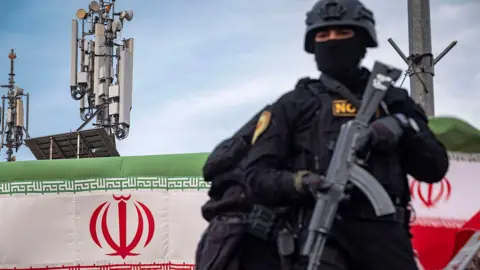
Iran is 10 days into one of the most extreme internet shutdowns in history, with 92 million citizens cut off from all internet services and even disruption to phone and text messaging.
The Iranian government cut off services on 8 January, apparently to stifle dissent and prevent international scrutiny of a government crack down on protesters. Iranian Foreign Minister Abbas Araghchi said the internet was cut off in response to what he described as externally directed terrorist operations.
The government has not said when internet services will return, but new reports suggest that, behind the scenes, the authorities may be making plans to restrict it permanently.
On 15 January, the news website IranWire reported that government spokesperson Fatemeh Mohajerani told journalists that international web access will not be available until at least the Iranian New Year in late March.
Internet freedom observers at FilterWatch believe the government is hastily implementing new systems and rules to cut Iran off from the international internet.
There should be no expectation of reopening international internet access, and even afterwards, users' access to international internet will never return to its previous form, according to FilterWatch.
Internet monitoring project, FilterWatch, suggests that the latest shutdown could mark the beginning of extreme digital isolation increasing surveillance over online activities.
The longer Iran remains disconnected, the more livelihoods are affected, particularly in e-commerce.
This ongoing blackout echoes a broader trend of governmental control over internet access, as seen in authoritarian regimes globally.