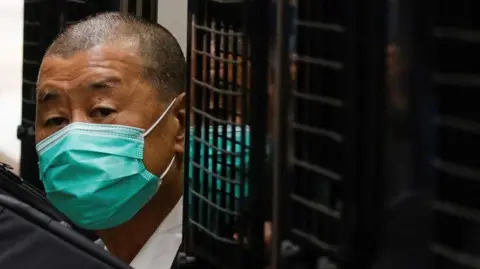
Jimmy Lai, Hong Kong's prominent pro-democracy media tycoon, has been sentenced to 20 years in prison for colluding with foreign forces under the city's controversial national security law. Rights groups have labeled the ruling as a severe blow to democracy, calling it akin to a death sentence for the 78-year-old, who has raised concerns about his health from prison.
This sentence represents the harshest punishment yet imposed under the national security law, enacted by China after widespread protests in 2019, which denounced diminishing freedoms and rights in Hong Kong. The authorities defend the law as crucial for maintaining stability in the region.
As the founder of the now-defunct Apple Daily, Lai was a fierce critic of the Chinese government and used his media platform as a tool for protest against authoritarianism. His sentencing has drawn widespread condemnation from international rights groups and governments, who view it as a direct assault on press freedom and civil liberties.
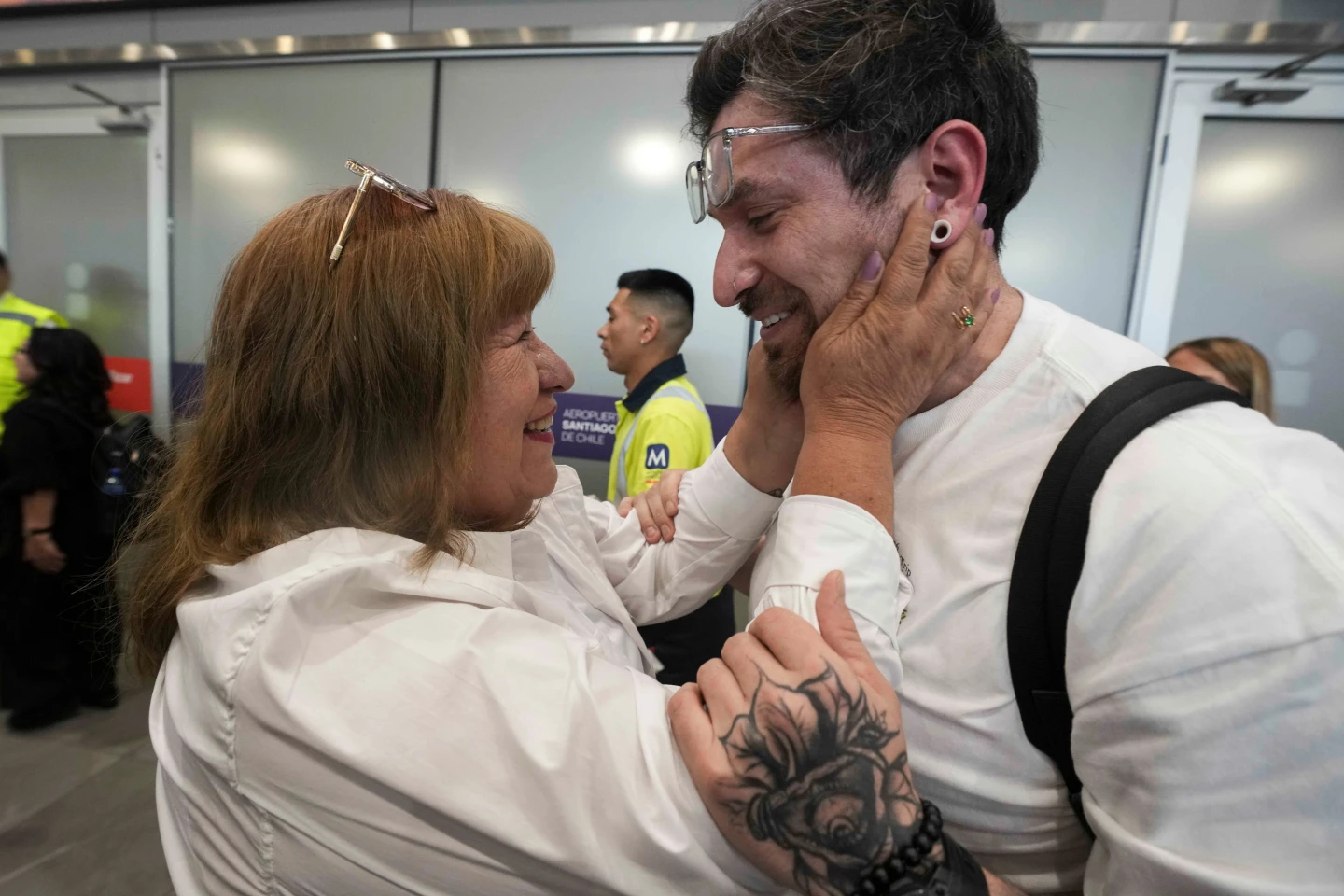
Sebastien Lai, Jimmy Lai's son, expressed heartbreak over his father's lengthy incarceration, emphasizing failures of the UK government to raise his case during diplomatic discussions. He criticized recent high-level visits to China as missed opportunities for advocacy.
The global response to Lai's sentencing includes calls for further international pressure on China, with human rights organizations accusing the Chinese government of systematically eradicating independent journalism and dissenting voices.
Despite the harsh sentence, Lai's supporters gathered outside the court, highlighting the deep divisions within Hong Kong regarding freedom of expression and political dissent. Many expressed fears that this case exemplifies the complete erosion of judicial independence in the region.
In his defense, Lai stated he never sought to influence foreign policy but merely relayed the circumstances faced by Hong Kong to international figures, including a meeting with former U.S. officials Mike Pence and Mike Pompeo.
Overall, this case marks a significant moment in the ongoing struggle for democracy in Hong Kong, indicating that dissent will face increasingly severe repercussions under the current legal framework.
}