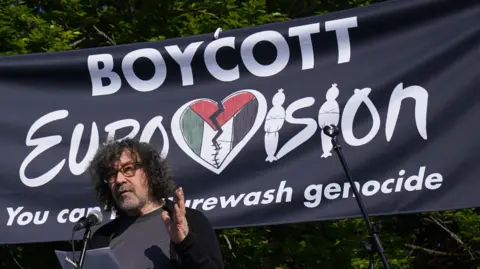
Ireland's Eurovision Boycott: A Stand Against Conflict
From Johnny Logan and Dana to years of dominance in the early 1990s, Ireland has a storied history with the Eurovision Song Contest. Ordinarily, the country, which holds the joint record for most wins with Sweden, would join the rest of Europe in eagerly awaiting Saturday's grand final. But not this year.
Ireland is one of five countries, alongside Iceland, the Netherlands, Slovenia, and Spain, boycotting the contest over the European Broadcasting Union's (EBU) decision to allow Israel to participate. The absence of an Irish entrant means national broadcaster RTÉ will not be airing events from Austria, opting instead for a special episode of the sitcom Father Ted.
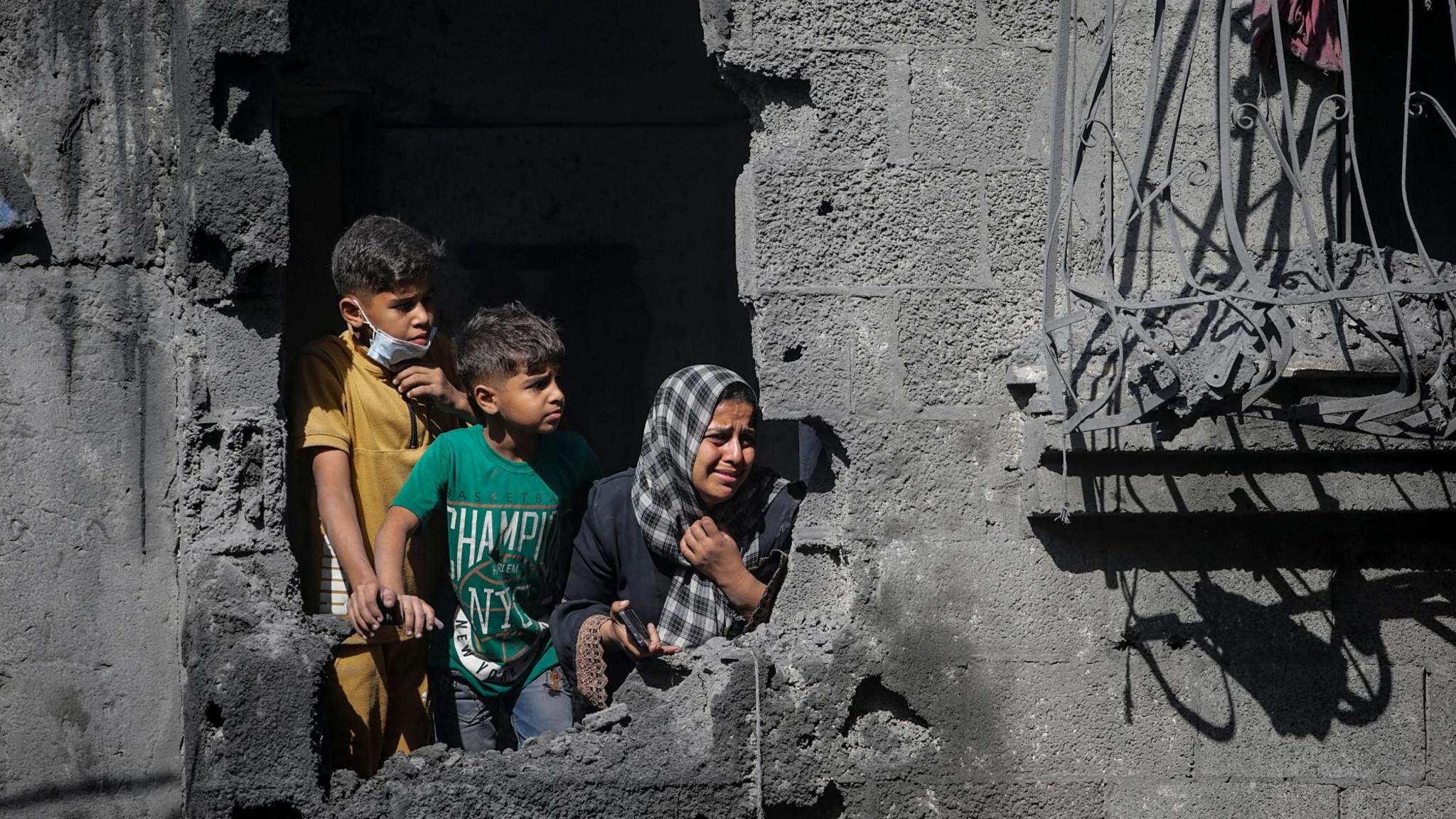
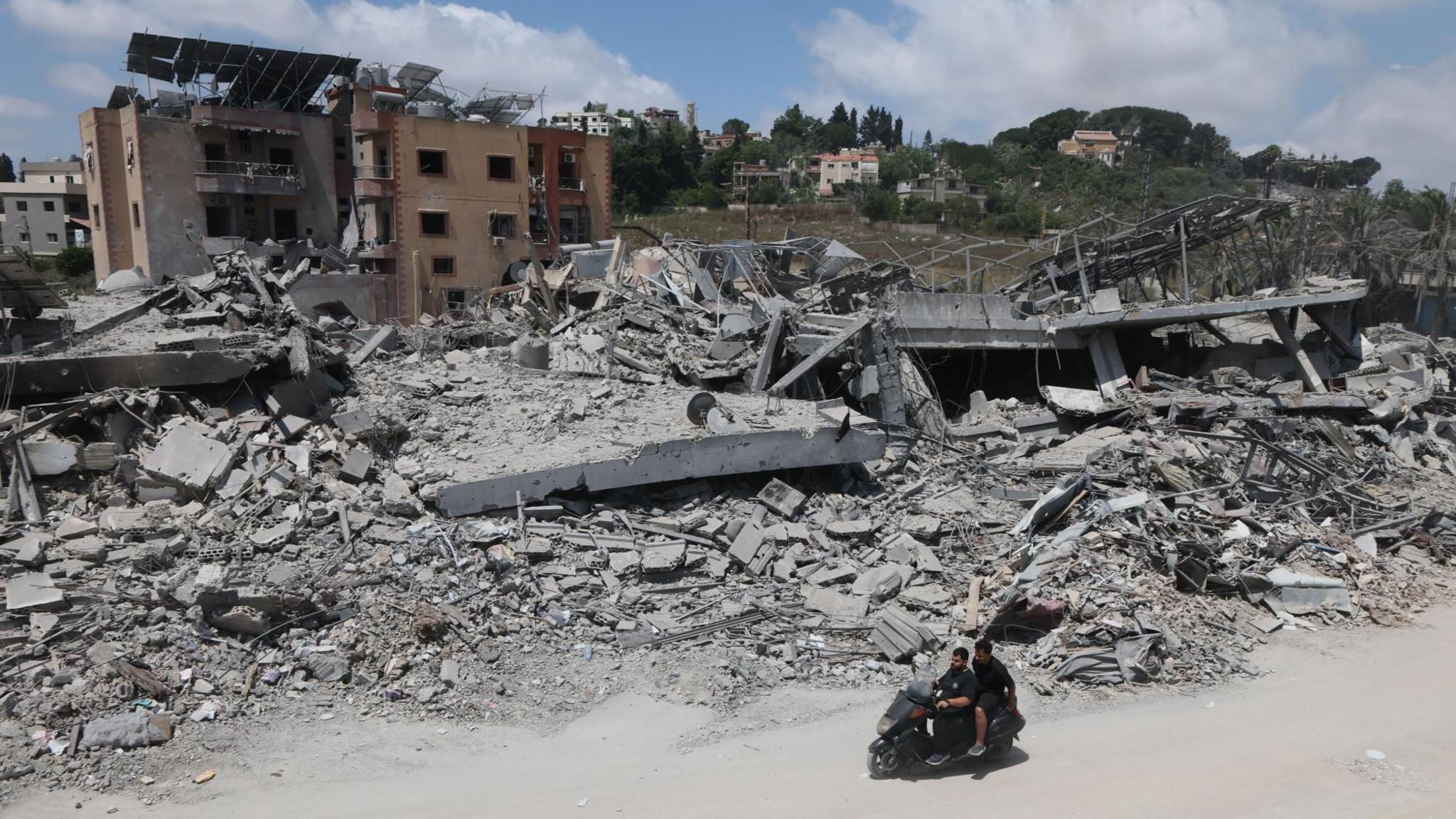
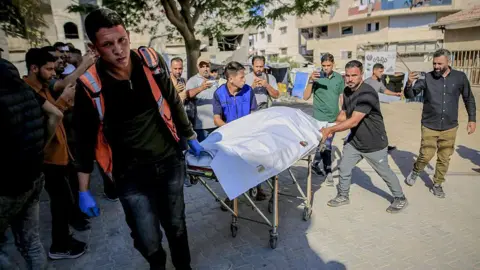
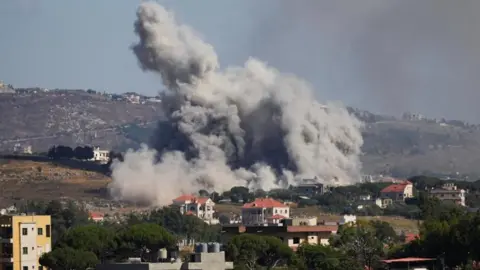
This decision is part of a larger context where Ireland has increasingly taken a pro-Palestinian stance, particularly due to the ongoing war in Gaza, which saw rampant casualties reported on both sides. Israeli broadcaster Kan has criticized the absence of Ireland and others as a cultural boycott, arguing it infringes on freedom of creation and expression.
But what does this boycott mean for the young people of Dublin and the Jewish community in Ireland? Support for the boycott was evident among young Dubliners surveyed, many expressing solidarity and agreement with Ireland's decision amidst ongoing international humanitarian concerns.
In a statement, RTÉ articulated their rationale: they deemed participation unconscionable given the appalling loss of lives in Gaza and the humanitarian crisis there. Such sentiments reflect broader societal attitudes, especially as Ireland has condemned Israeli actions that have led to significant civilian casualties in Gaza.
Contrastingly, members of the Jewish community in Ireland have felt isolated and dismissed, with concerns raised by individuals citing feelings of cultural punishment stemming from the boycott. Advocates for maintaining cultural engagement caution that boycotts may not effectively save lives but rather complicate diplomatic relations and community sentiments.
The controversy extends further with RTÉ's decision to air a Father Ted episode specifically themed around Eurovision, a move that garnered both support and criticism across the community.
As the Eurovision Song Contest proceeds sans Irish representation, the underlying issues of politics, conflict, and cultural expression continue to echo through the decisions and sentiments of nations involved.