Iran Re-Closes Strait of Hormuz Amid Israel‑Lebanon Escalation
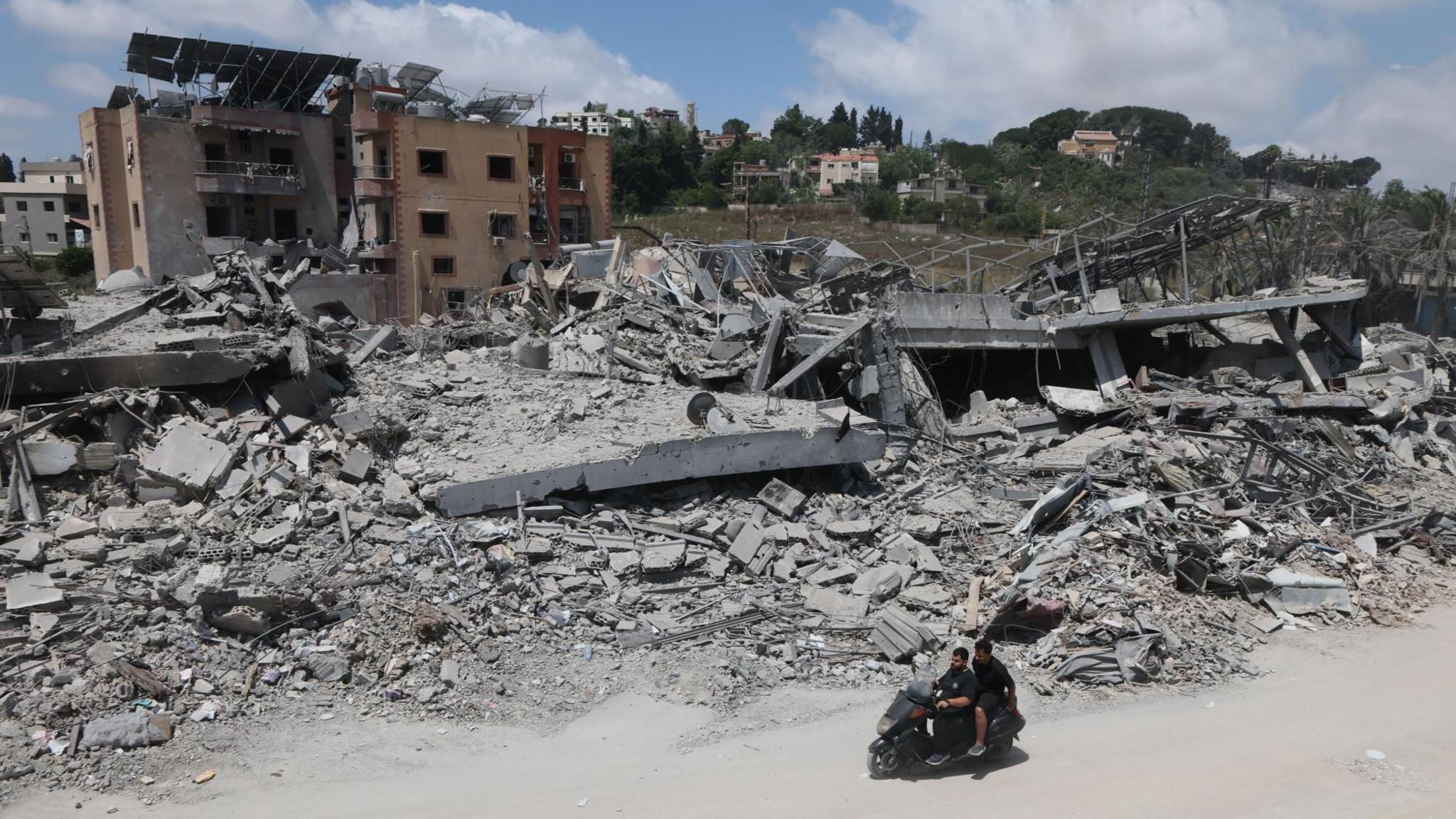
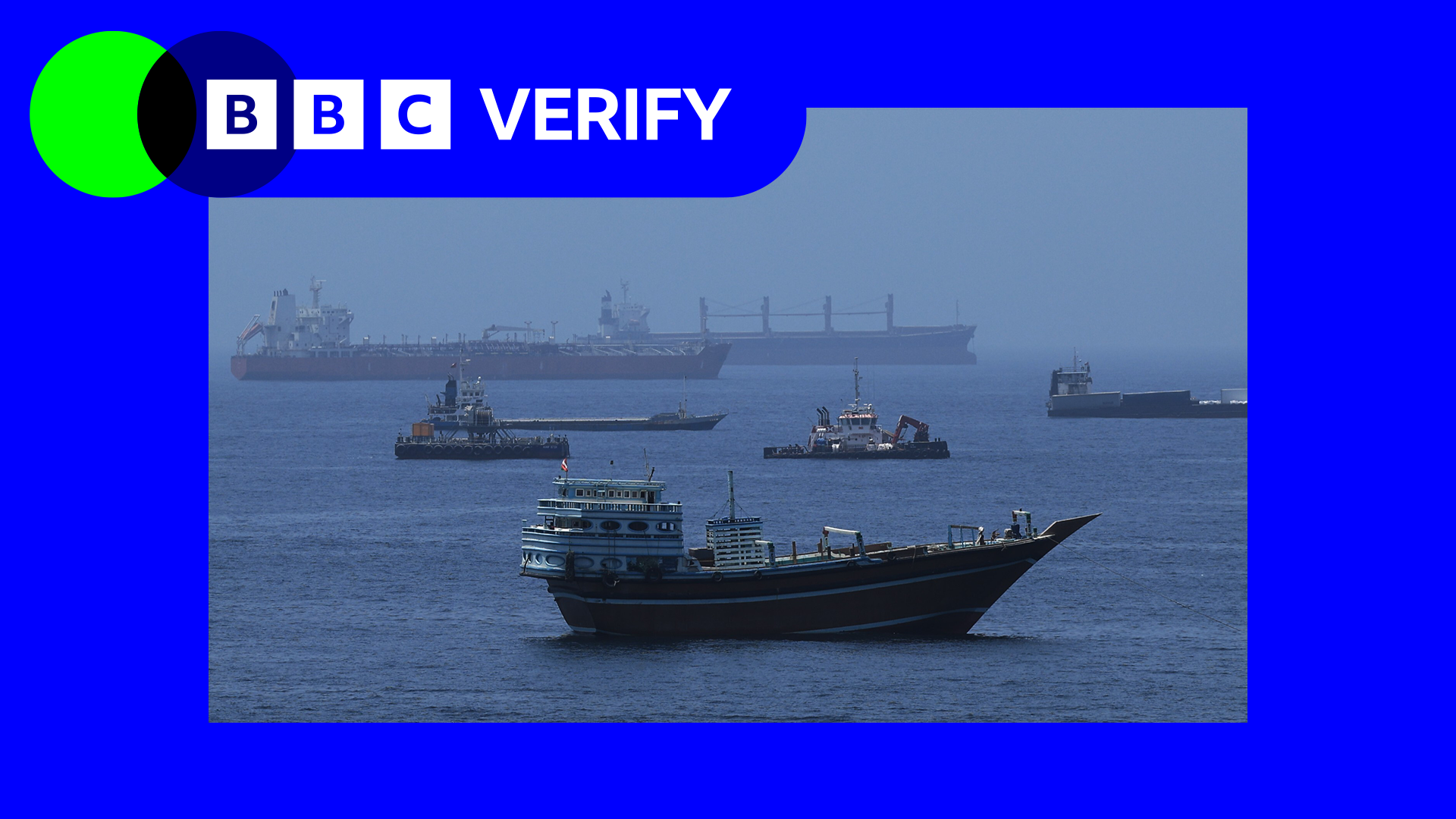
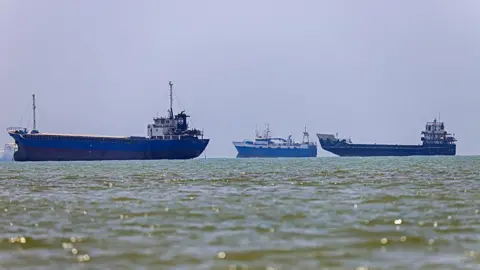
The Iranian Navy announced that the Strait of Hormuz – a critical shipping lane that carries roughly 20% of the world’s oil and liquefied natural gas – has been closed again. The decision follows a series of Israeli airstrikes on southern Lebanon that the Revolutionary Guard Corps says constitutes a "breach" of the 14‑point memorandum of understanding signed by the U.S. and Iran to end hostilities.
According to Tehran, Israel’s continued attacks violate the commitment to “the immediate and permanent termination of military operations on all fronts, including in Lebanon.” The Revolutionary Guard warned that if hostilities keep escalating, additional defensive measures would be taken. The directive to “do not approach the Strait of Hormuz” was broadcast on state TV and reiterated by the Guard’s Navy spokesman, Esmail Baghaei.
The U.S. response came from Central Command, which said safe passage through the Strait remains "intact." It cited an increase in commercial traffic, with 55 merchant vessels transiting on Saturday. It remains unclear whether this refers to traffic before or after Tehran’s announcement. Washington notes that the U.S. and Iranian leaders had recently signed an initial agreement that includes immediate reopening of the Strait and a 60‑day window for further negotiations.
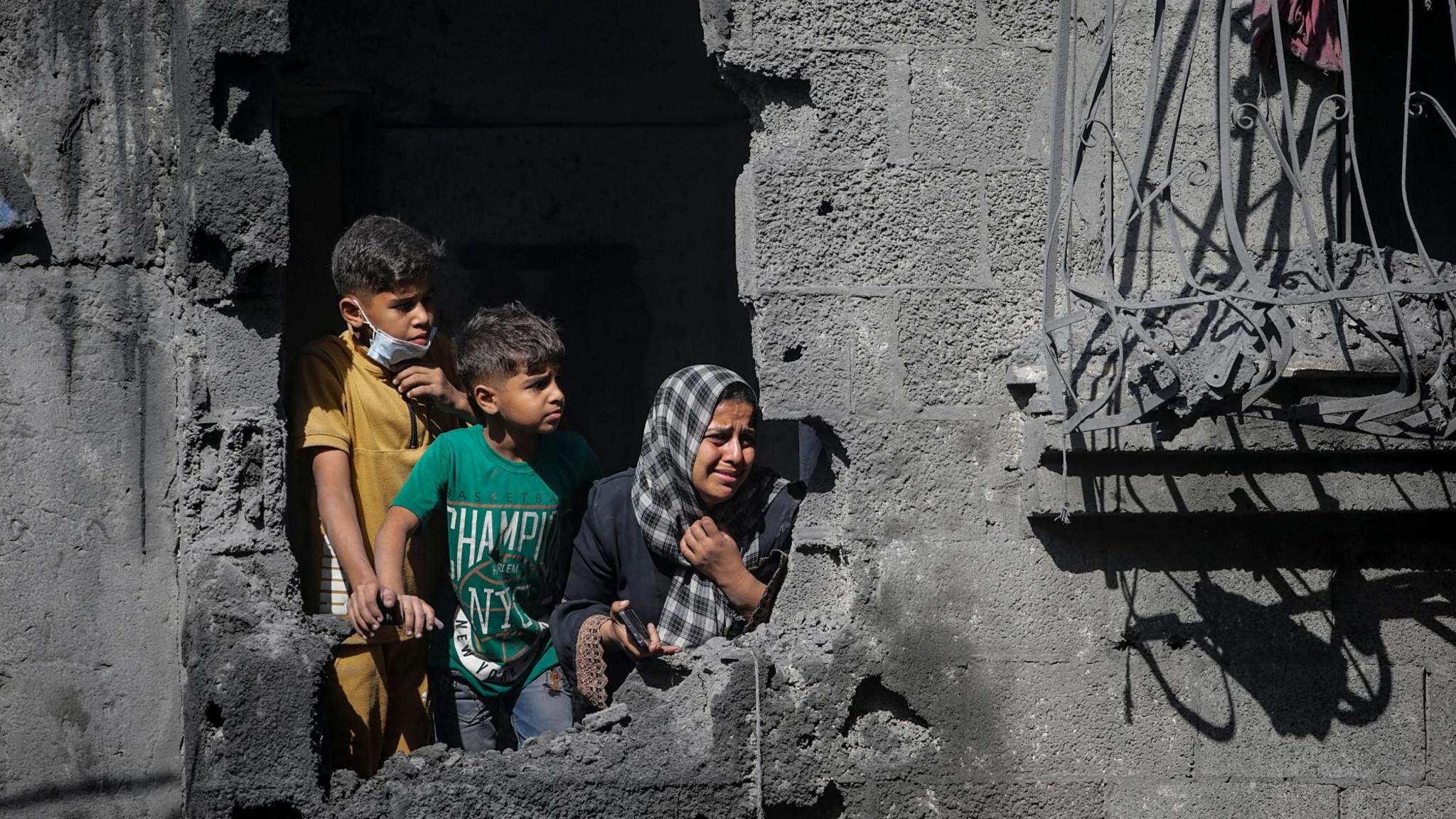
Israel’s military confirmed that the ceasefire it entered with Hezbollah went into effect at 16:00 local time on Friday. Nonetheless, the country claims it will "continue to remove immediate threats," and on Saturday a family of four was reported killed in the town of Barich following an Israeli strike. The Israeli forces say they are targeting Hezbollah elements, arguing the conflict is separate from the broader Iran war.
Hezbollah has accused Israel of repeatedly violating the ceasefire, asserting the group has the right to defend its land against ongoing attacks. The U.S. has condemned these operations, warning that unresolved tensions between Israel and Lebanon could undermine the fragile U.S.–Iran agreement.
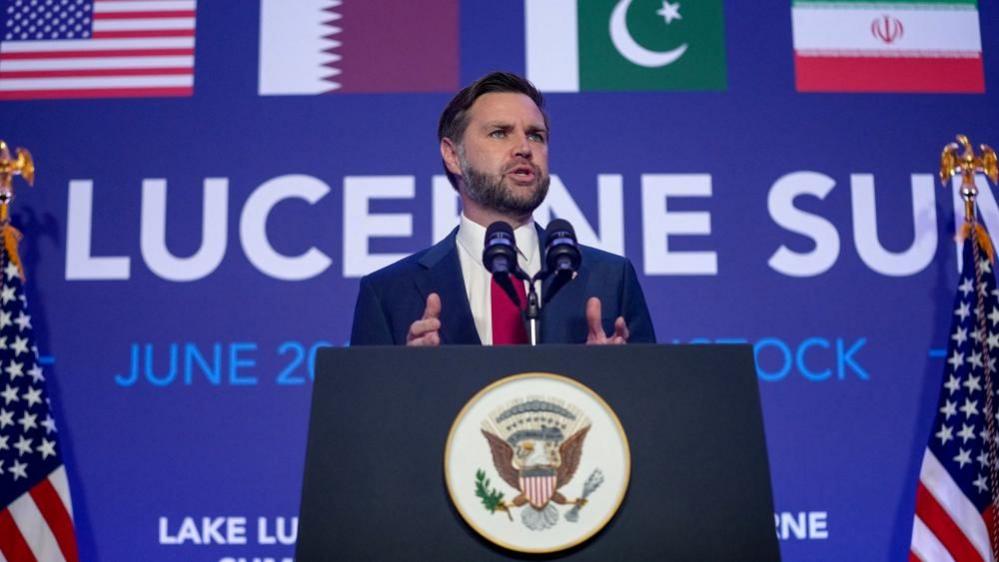
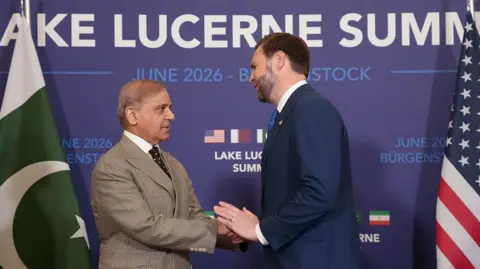
Minutes before Tehran declared the new closure, U.S. Vice‑President J.D. Vance announced plans to travel to Switzerland for talks with Iranian officials. Iran’s foreign ministry spokesperson, Esmail Baghaei, said the goal of the Swiss meeting will be "to demand that the other side fulfil its commitments". This diplomatic outreach follows an earlier Iranian blockade in February that sent shockwaves through global energy markets.
The Strait of Hormuz handles approximately 20 million barrels of oil and oil products each day, a volume that equates to nearly $600 billion of energy trade annually. Any prolonged closure would therefore have profound implications for the world economy and could trigger price spikes across oil markets.
For readers seeking deeper context, see the U.S.‑Iran agreement details (link) and an analysis of why the Strait matters in the Iran war (link).